What Child-Resistant Packaging Really Means
Child-resistant packaging is exactly what it sounds like. It is a package designed to be very hard for a young child to open, while staying easy enough for a normal adult to use. That balance is the whole game. If kids cannot get in but neither can grandma, the design has failed. If adults breeze in but so does a curious three year old, it has failed in the more dangerous direction. Good child-resistant packaging threads that needle on purpose, every single time.
The standard is built around children under five, because that age group is the one most likely to swallow something they should not. The package has to slow them down long enough that an adult notices and steps in. It does not have to be impossible, it has to be reliably difficult for small hands and developing motor skills, while a grown adult can still open and reclose it without tools or a struggle.
Here is the part that surprises people. Child-resistant packaging is not a single product you buy off a shelf. It is a performance standard your package has to meet. That means the same idea can show up as a push and turn bottle cap, a squeeze and pull closure, or a special zipper on a flexible pouch. What matters is whether the finished package passes the test, not what shape it takes.
Who Actually Needs It
This is where a lot of new brands get caught off guard. Child-resistant packaging is not optional for certain products. In the United States, the Poison Prevention Packaging Act, enforced by the Consumer Product Safety Commission, requires a long list of household and health products to ship in child-resistant packaging. If your product is on that list, this is a legal requirement, not a branding choice.
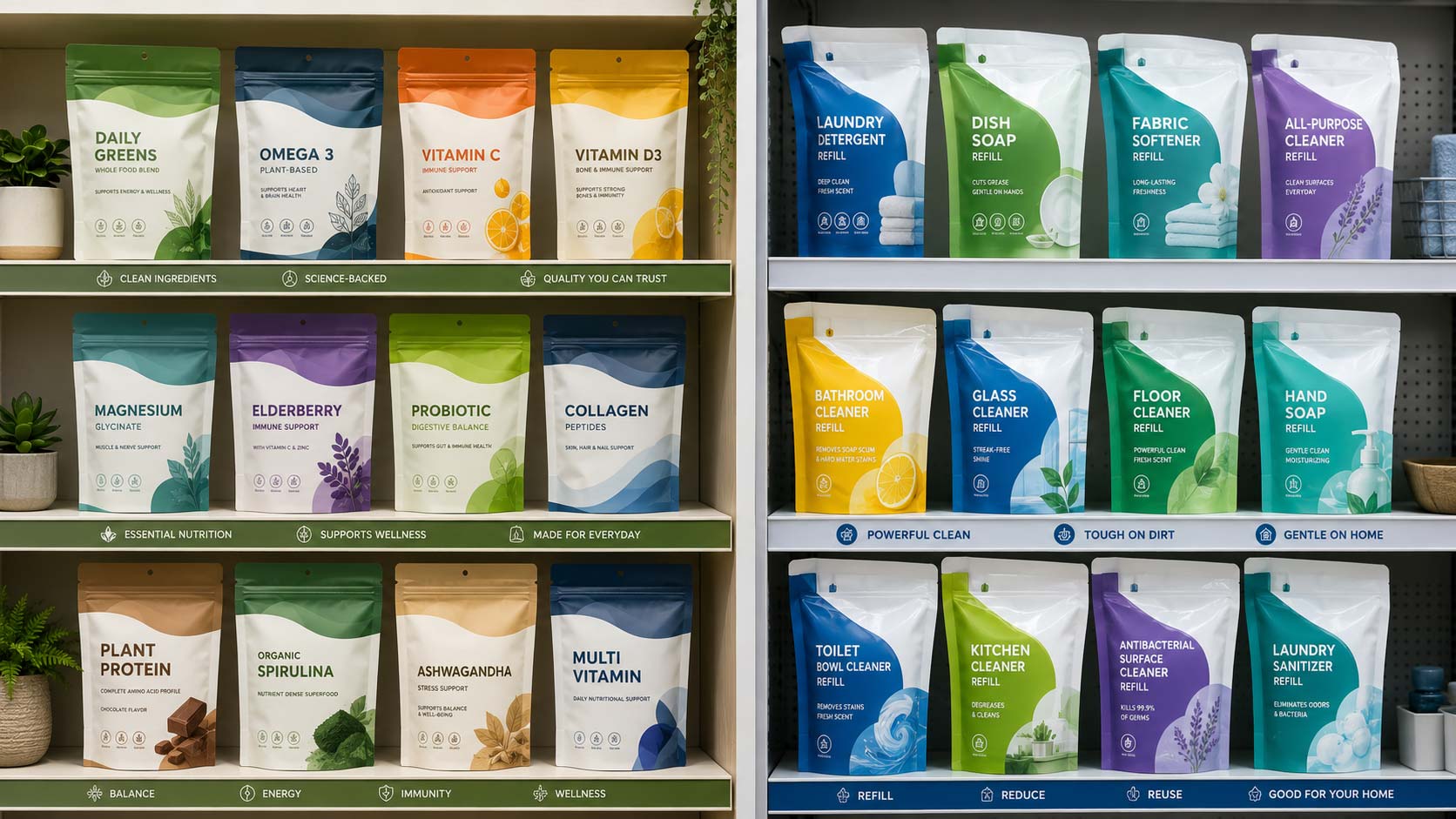
The categories that trip up food and wellness founders the most are supplements and household goods. Dietary supplements that contain enough iron are a classic example, because iron pills have a real history of poisoning small children. Many over the counter products, certain medicines, and a range of cleaning and chemical products fall under the same umbrella. If you are launching in any of these spaces, the safe move is to confirm your status before you ever order packaging.
A quick gut check on whether you should be asking the compliance question at all.
- You sell vitamins, minerals, or supplements, especially anything with meaningful iron content
- You sell over the counter health products or anything ingestible that acts like a medicine
- You sell household cleaners, laundry concentrates, pods, or chemical refills
- You sell a product that a poison control center would worry about a toddler swallowing
If you nodded at any of those, do not guess. The rules are specific, and the penalties for getting it wrong are not the kind of thing a small brand can absorb. Talk to a packaging partner and a regulatory advisor early, while the design is still on paper and changes are cheap.
How a Pouch Can Be Child-Resistant
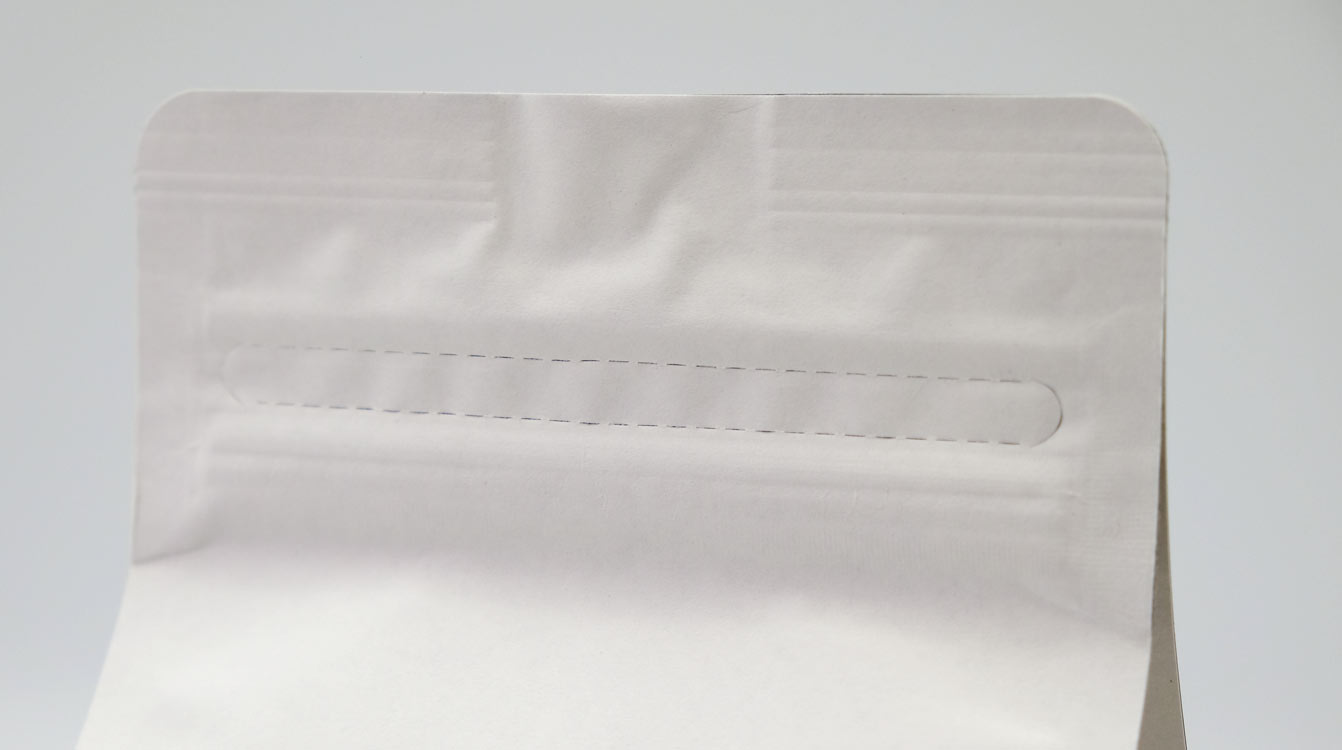
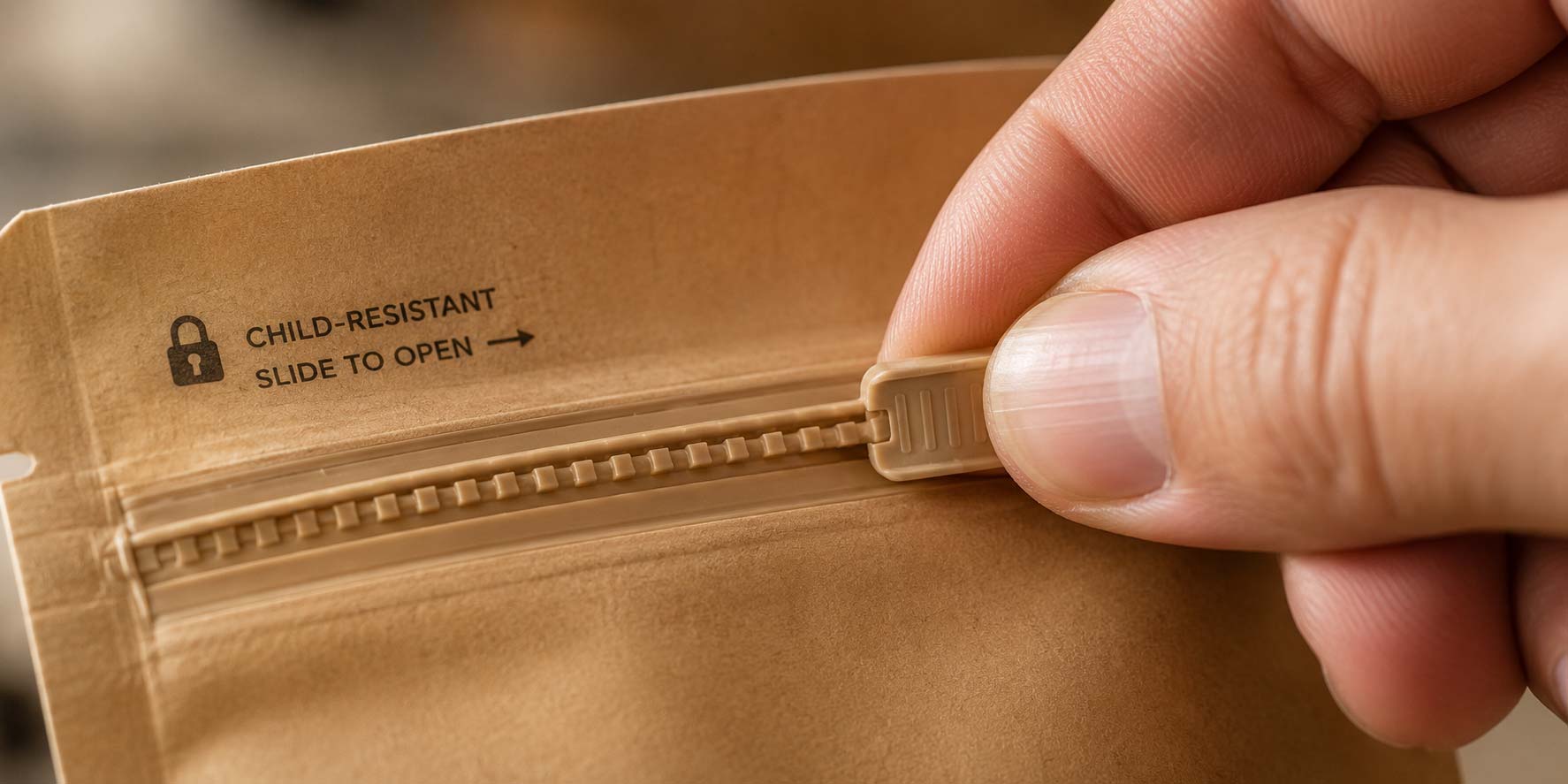
For years, child-resistant meant a rigid bottle with a stubborn cap, and a lot of brands assumed a flexible pouch was off the table. That is no longer true. Modern child-resistant pouches use specially engineered closures that ask for a deliberate two step motion an adult understands but a small child cannot easily figure out. The most common version is a press and slide zipper, where you have to press down along the track and slide at the same time to release it.
That two step trick is the heart of how a pouch meets the standard. A toddler tends to pull, bite, or tug at random, and the closure is built to resist exactly those motions. An adult reads the instructions once, presses and slides, and the pouch opens cleanly. Because the closure is part of the pouch itself, you keep all the things people love about flexible packaging while adding the safety layer on top.
Going the pouch route brings real upside beyond just checking the compliance box.
- Pouches use less material and ship flatter and lighter than rigid bottles, which can lower freight cost
- A stand-up pouch gives you a big, bold printable face that a small bottle cannot match
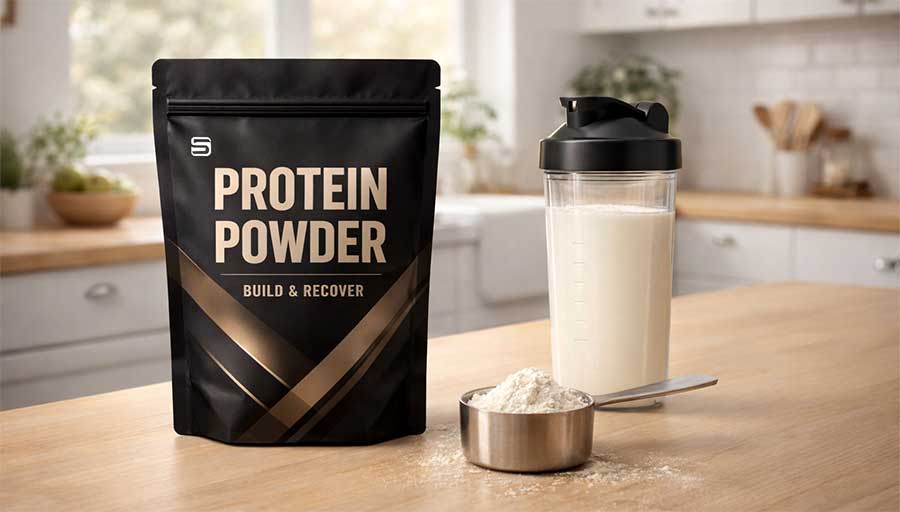
- You still get barrier protection for moisture, oxygen, and light, which supplements and powders need
- The same pouch can be resealable, so the child-resistant feature also keeps the product fresh between uses
If you already understand the flexible format from the coffee and food world, this is the same family of packaging with a smarter closure. The pouch expertise behind
custom coffee bags carries straight over to supplement and household pouches, and the print and barrier choices work the same way.
The Senior-Friendly Balancing Act
The trickiest part of child-resistant packaging is not stopping kids. It is making sure adults, including older adults, can still open the package. Regulators care about this on purpose, because a closure so tight that a senior with arthritis cannot open it is its own kind of failure. The standard is tested with adult panels too, and the package has to prove that grown ups can open and properly reclose it.
This is why you cannot just slap the strongest closure you can find onto your pouch and call it safe. The design has to land in the sweet spot, hard for a small child, manageable for an adult across a wide age range. That balance is dialed in through the closure design and confirmed through formal testing, not guessed at. A closure that only the strongest hands can defeat will fail the adult side of the test even if it crushes the child side.
The takeaway for a brand is simple. Do not treat child-resistant as a dial you turn all the way up. Treat it as a target you hit precisely. The closures that pass are the ones engineered and tested to do both jobs at once, and that is a job for a proven supplier, not a do it yourself experiment.
Getting a Custom Child-Resistant Run Right
Ordering child-resistant packaging is mostly about planning ahead, because the safety feature is baked into the package from the start and is not something you bolt on later. Start by confirming whether your product legally requires it, then bring that requirement to your packaging partner before you finalize artwork. The closure choice can affect the pouch size, the fill process, and even where your design sits, so it pays to decide early.
From there, the path looks a lot like any custom packaging project, with a safety check layered in. You can still print your pouch in full color, add a matte or soft touch finish, and make it look every bit as premium as a non-safety package. Custom printing with a friendly minimum order makes this realistic even for a newer brand, since
digital packaging opens up at a 500 unit run instead of the much larger volumes older print methods demand.
A few things keep these projects smooth from quote to delivery.
- Confirm compliance first, in writing, so you are building to the right standard from day one
- Choose the closure with your supplier, since the child-resistant feature shapes the rest of the pouch
- Plan for testing time, because a compliant package has to be verified, not just assumed
- Keep your barrier needs in the conversation, especially for powders and supplements that fade with moisture or air
- Remember that safety and good design are not enemies, and a food packaging partner can deliver both at once
Because the closure is engineered into the pouch, you also avoid the waste of overbuilt rigid packaging, and the flexible format pairs naturally with lower impact production like
eco friendly digital printing. You get a package that protects children, satisfies the rules, holds your product fresh, and still earns its place on the shelf.
Closing: Safety That Sells
Protect the Kids, Keep the Customers
Child-resistant packaging started as a safety rule, but smart brands have turned it into a quiet selling point. A package that keeps little hands out tells parents you take their family seriously, and that trust shows up at the register. The myth that compliance means an ugly, clunky bottle is dead. A well built child-resistant pouch can be safe, compliant, senior-friendly, fresh-keeping, and beautiful all at the same time. Figure out whether the law applies to you, pick the right closure with a partner who tests for both kids and adults, and build the safety in from the first sketch. Do that, and the same feature that keeps a toddler out becomes one more reason a shopper trusts your brand.