What Embossing and Debossing Actually Do
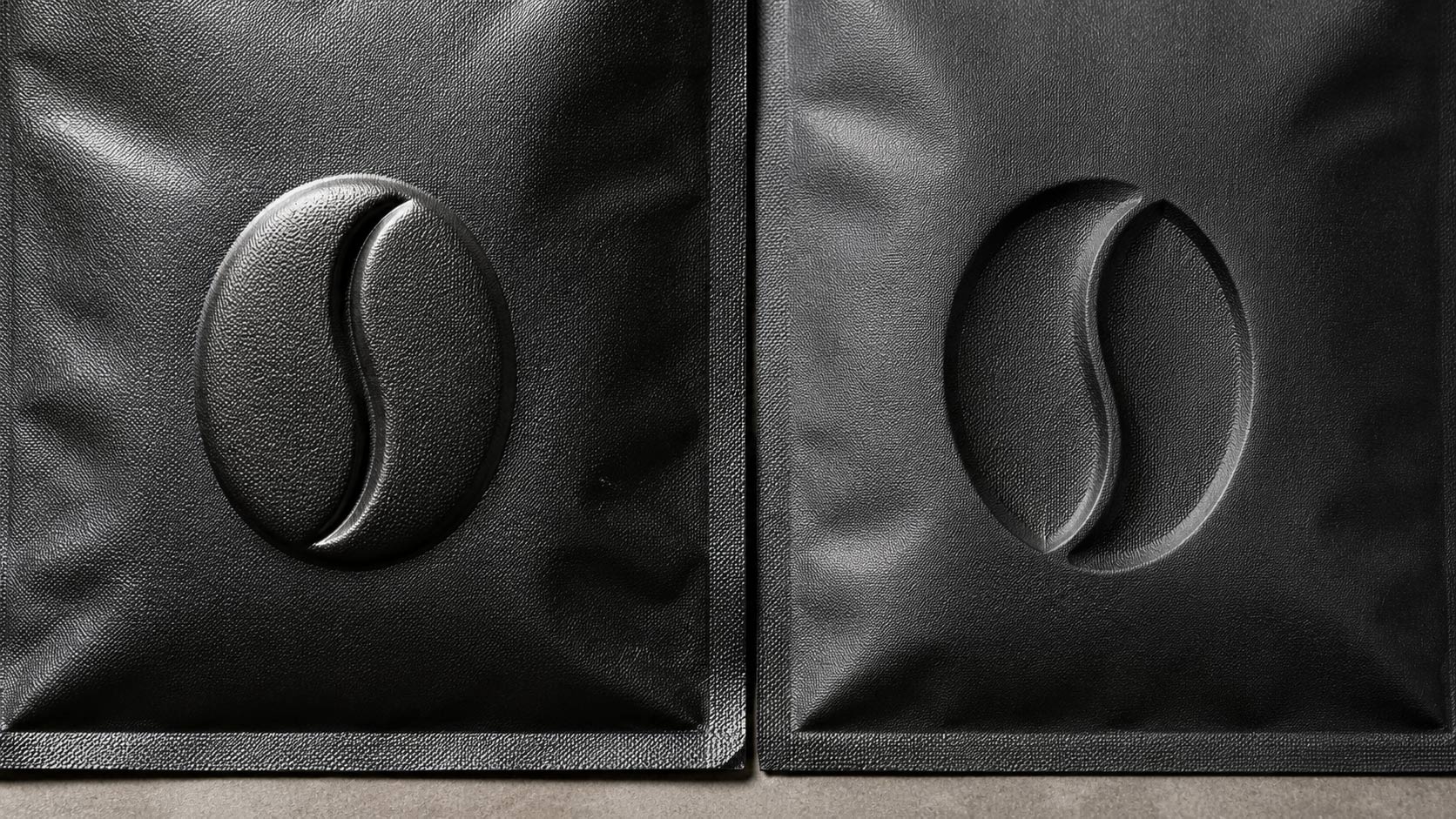
Embossing and debossing are two sides of the same idea, which is shaping the surface of a package so a design stands off the flat plane instead of just sitting printed on top of it. Embossing pushes a shape up so it rises above the surrounding surface, giving you a raised logo or pattern you can feel with your fingertip. Debossing does the opposite and presses a shape down into the surface, creating a clean recessed impression. Both effects are made with a custom metal die, a tool cut to the exact shape of your artwork, that presses the material under heat and pressure. The die is the reason these finishes carry a setup cost, and it is also why the result looks so crisp and permanent compared to anything printed.
The appeal is simple. People trust what they can feel, and a raised or recessed detail tells the hand that the product inside was made with care. On embossed coffee bags this shows up most often as a logo, a seal, or a small repeating texture that a customer notices the moment they lift the bag off the shelf. The effect works because it is subtle. It does not shout with color, it rewards a closer look, and that quiet confidence is exactly the signal a premium roaster wants to send.
How Relief Finishes Differ From Surface Finishes
It helps to sort coffee bag finishes into two families, because they solve different problems. Surface finishes change how a bag looks and feels across the whole face of the material without changing its shape. A soft-touch matte coating that feels velvety, a high-gloss coating that pops color, and a spot gloss that draws the eye to one area are all surface finishes. If you want the full picture on those haptic and coating options, our guide to
premium coffee packaging materials and finishes covers them in depth, so this post stays focused on the dimensional side.
Relief finishes are the dimensional family, and they physically reshape part of the surface. Embossing and debossing are the two core moves, and foil stamping often joins them to add shine on top of the shape. The reason to know the difference is money and effect. A surface finish usually rides along with the printing, while a relief finish is a separate physical step with its own tooling, so it costs more and takes more lead time. You reach for a relief finish when you want a customer to feel the brand, not just see it.
Emboss, Deboss, or Both
Choosing between the two comes down to the look you want and the material you are working with. Embossing gives you a lifted, three-dimensional logo that catches light along its raised edges, which reads as bold and confident. It shines on a clean logo mark or a simple crest where the raised shape has room to stand out. Debossing gives you a pressed-in impression that feels understated and modern, and it tends to look best on darker or textured materials where the recessed shape creates a soft shadow. Many roasters find debossing the safer choice on a busy design because it tucks the detail into the surface instead of competing with the print.
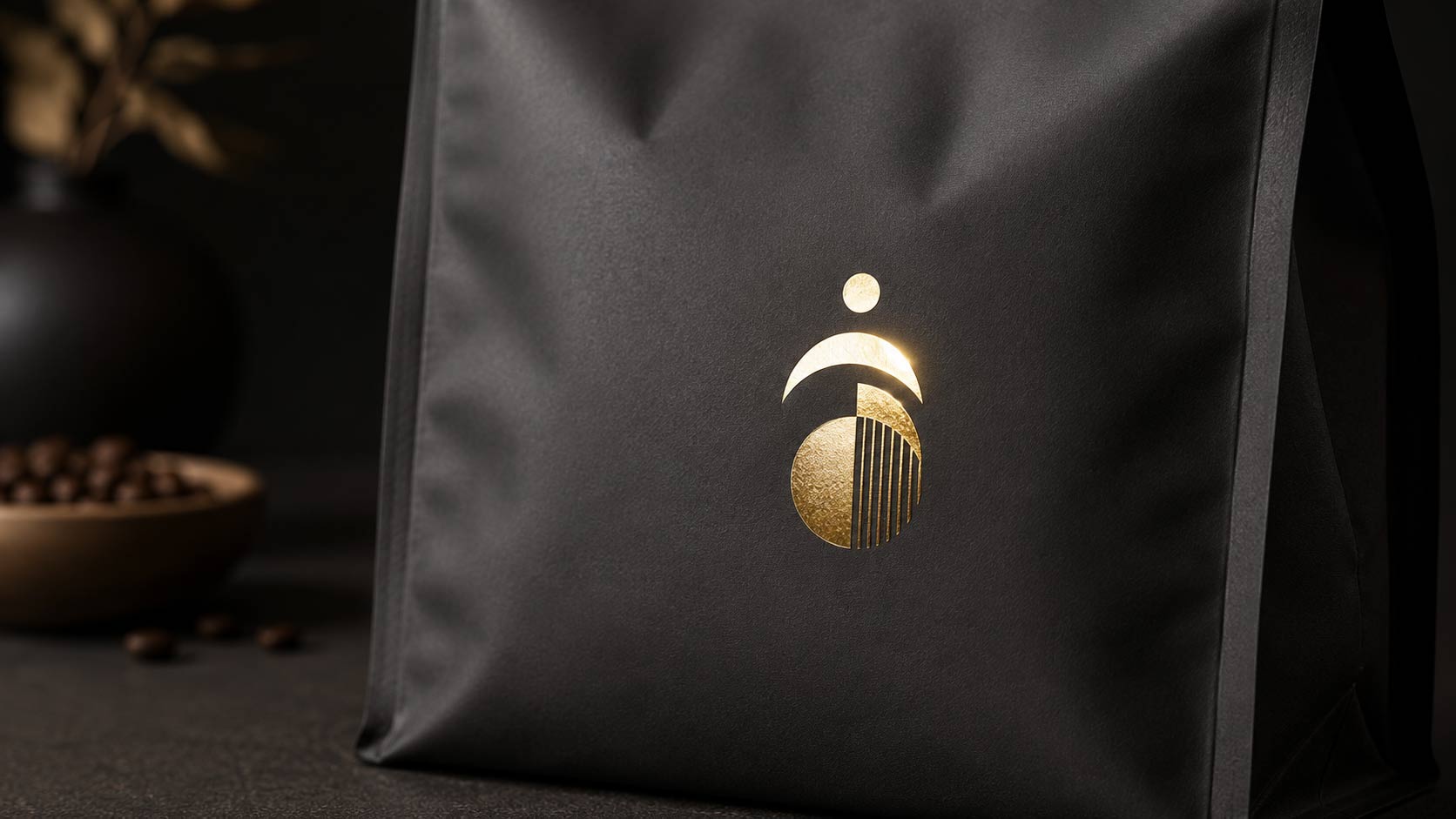
You can also combine effects for a richer result, and this is where premium packaging really separates itself. A common move is to emboss or deboss a shape and then lay foil into the same impression, so the logo is both raised or recessed and metallic at once. That pairing gives you texture and shine in a single detail, which is why it shows up on the most upscale bags. A few quick guidelines help you pick.
- Choose embossing when you want a bold, raised logo that catches the light
- Choose debossing for a subtle, modern pressed-in look, especially on dark or matte material
- Combine a relief finish with foil when the product sits at the top of your line and the budget allows
- Keep the shape simple either way, since fine detail and thin lines lose definition when pressed
Foil Stamping and Metallic Shine
Foil stamping, also called hot stamping, is the finish that adds real metallic brightness to a bag. A heated die presses a thin film of colored foil onto the surface, bonding it to the material in the exact shape of your artwork. The result is a solid, reflective mark in gold, silver, copper, or a range of colors that printed metallic inks simply cannot match for shine. Because it uses a die like embossing does, foil stamping carries the same kind of tooling setup, and the two finishes are often specified together.
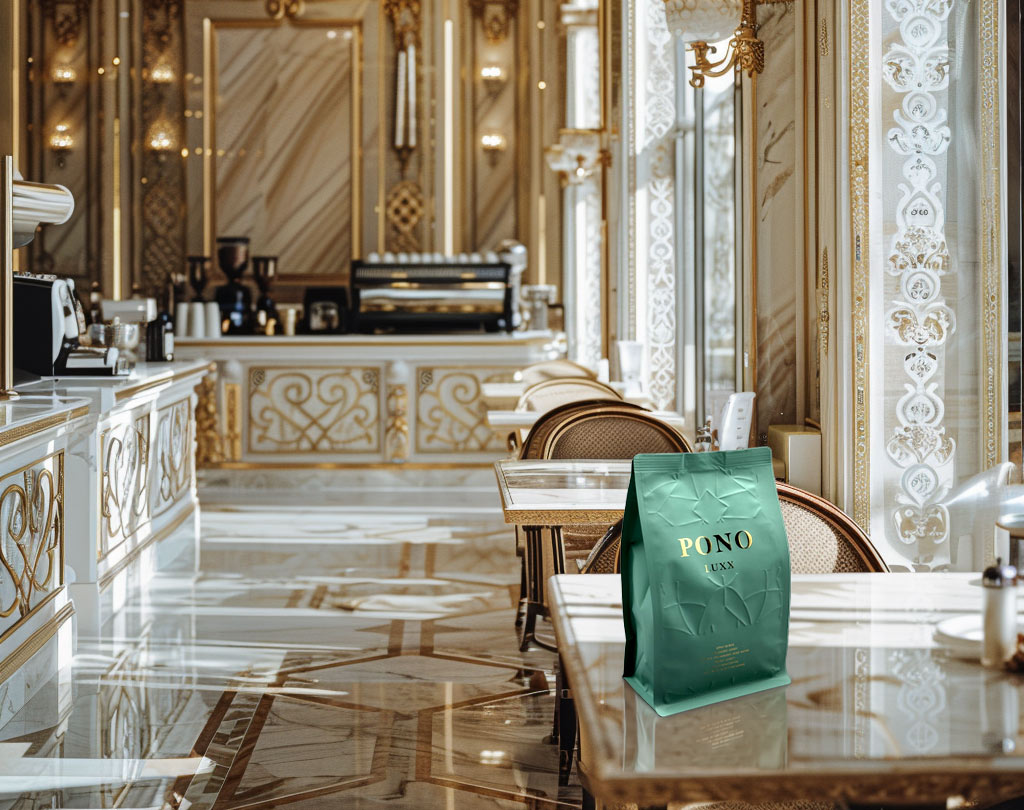
Foil is the fastest way to make a coffee bag look luxurious, which is why it appears on holiday releases, anniversary blends, and premium single origins. A small foil logo on a dark matte bag creates a striking contrast that photographs beautifully and reads as high value on the shelf. Savor Brands used this approach on the Pono Luxx line, where dimensional decoration and foil turned a bag into a genuine statement piece, and you can see that thinking in the
latest coffee bag packaging innovation with Pono Luxx. The lesson from that work is restraint. A little foil in the right place does far more than foil spread across the whole bag.
When Dimensional Finishes Are Worth It
These finishes are an investment, so the honest question is when they pay for themselves. The clearest case is a premium or top-tier product, where the price on the shelf already tells the customer to expect something special and the packaging has to live up to it. A raised logo or a foil seal justifies a higher price and protects the brand from looking cheaper than it charges. The second strong case is a limited or seasonal release, a small run where the extra cost is spread across fewer bags but the payoff in attention and gift appeal is high. A holiday blend or a collaboration bag is exactly the kind of product that earns a special finish.
The third case is a crowded retail shelf, where a bag has to win a glance against dozens of competitors. Texture and shine give a package a physical presence that flat printing cannot, and a shopper's hand is drawn to the bag that feels different. For an everyday bag sold in high volume at a modest price, the math usually does not work, and the money is better spent on strong print and a good barrier. Match the finish to the product's place in your lineup, and reserve the dimensional treatment for the bags that can carry it.
The Cost and MOQ Reality
Every relief finish adds two things to a job, a one-time tooling cost and a separate finishing step, and both shape the minimum order that makes sense. The tooling is the custom die cut for your artwork, which you pay for once and can reuse on future runs of the same design, so the cost per bag drops the more you order. The finishing step is the extra pass through a machine to press or stamp each bag, which adds to the unit cost and to the lead time. Because of that setup, dimensional finishes reward larger or repeat runs, and they are a poor fit for a tiny one-time batch where the tooling cost lands on just a few hundred bags.
Print method matters here too. A design-forward brand running smaller, changing batches usually pairs best with
digital packaging, which keeps minimums low, though heavy dimensional finishing may still push the practical order size up. A proven, high-volume bag with a locked design is the natural home for
rotogravure printing, where large runs bring the cost per bag down and easily absorb a finishing step. It also helps to know the material. Thin flexible film limits how deep a true mechanical emboss can go, so on some pouches the raised effect is achieved with a registered gloss, a spot varnish, or a foil accent rather than a deep press. A packaging partner can tell you what your chosen
custom coffee bags material will actually hold before you commit.
Design Tips That Emboss Well
The finishes look effortless when they are done right, and that ease comes from designing for the process instead of forcing artwork onto it. The single most important rule is to keep the shape simple. A bold logo, a clean icon, or a solid seal presses cleanly and holds its edges, while thin lines, small type, and fine detail blur or flatten when the die comes down. If your logo is delicate, consider embossing just a strong element of it rather than the whole thing.
Placement and spacing round out the plan. A relief finish needs a little breathing room around it so the raised or recessed shape reads clearly, and it should sit where a hand naturally lands or where the eye goes first, usually the upper front panel. Keep the finish away from seams and the bag's sealed edges, since those areas do not press cleanly. A short checklist keeps a design out of trouble.
- Use bold, simple shapes and avoid thin lines or tiny text
- Give the finish open space so the texture stands out instead of crowding other elements
- Place it where a customer's hand and eye go first, and keep it clear of seams and seals
- Ask for a physical sample or proof before the full run, because relief and foil look different in hand than on a screen
Closing: The Bag That Sells Itself in the Hand
Texture Is the Detail Your Screen Cannot Show
Great coffee packaging works on two senses at once, and the finishes in this guide are how you reach the second one. Embossing lifts a logo into the light, debossing presses a quiet mark of quality into the surface, and foil stamping adds the shine that reads as luxury across a room. None of them is right for every bag, and that is the point, because their value comes from being reserved for the products that deserve them. Spend the tooling on a premium blend, a limited release, or the bag that has to win a crowded shelf, keep the design simple enough to press cleanly, and ask for a sample before you commit. Do that, and you end up with a bag a customer wants to hold, which is the first step toward one they want to buy again.