One Family Called Flexible Packaging
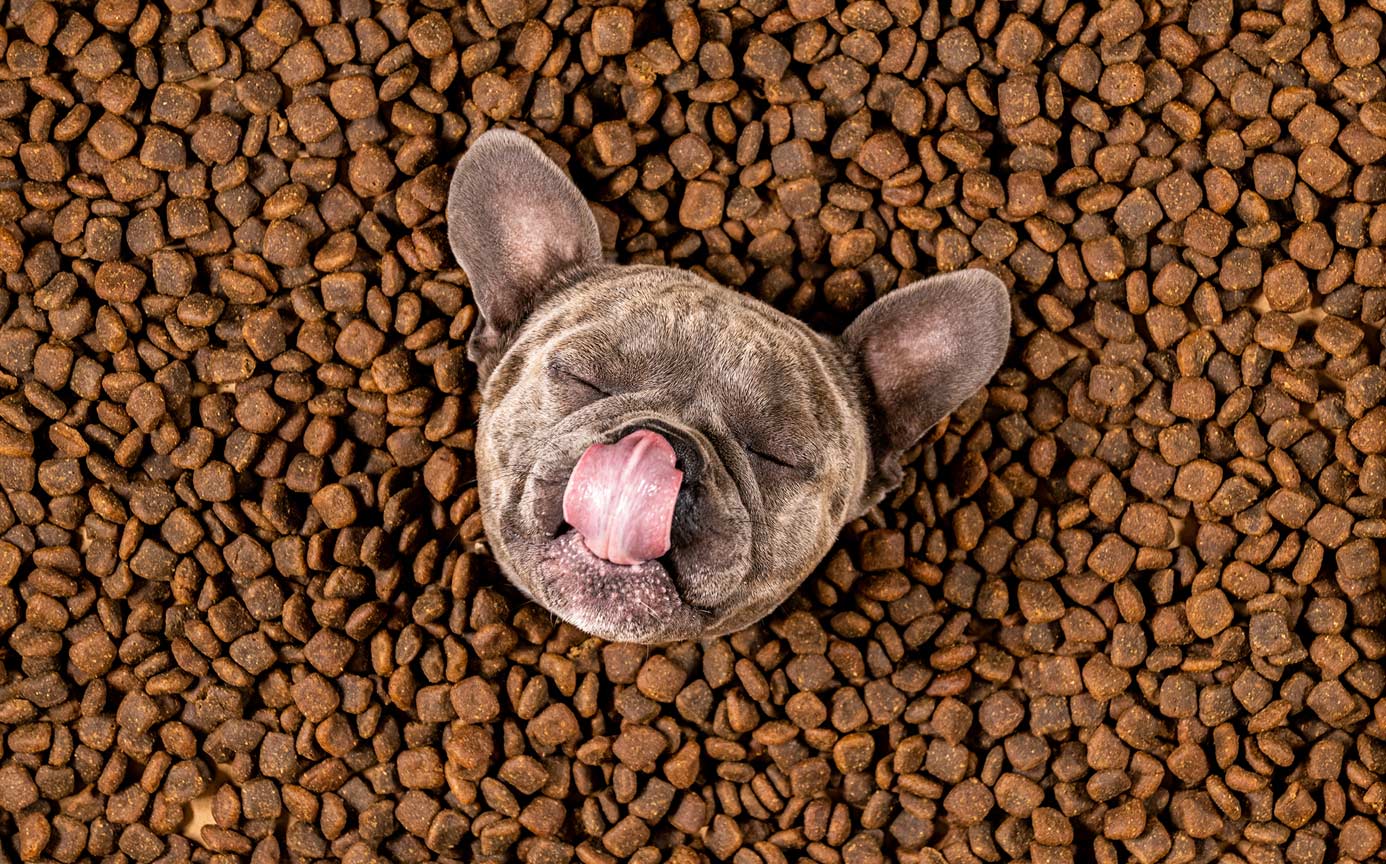
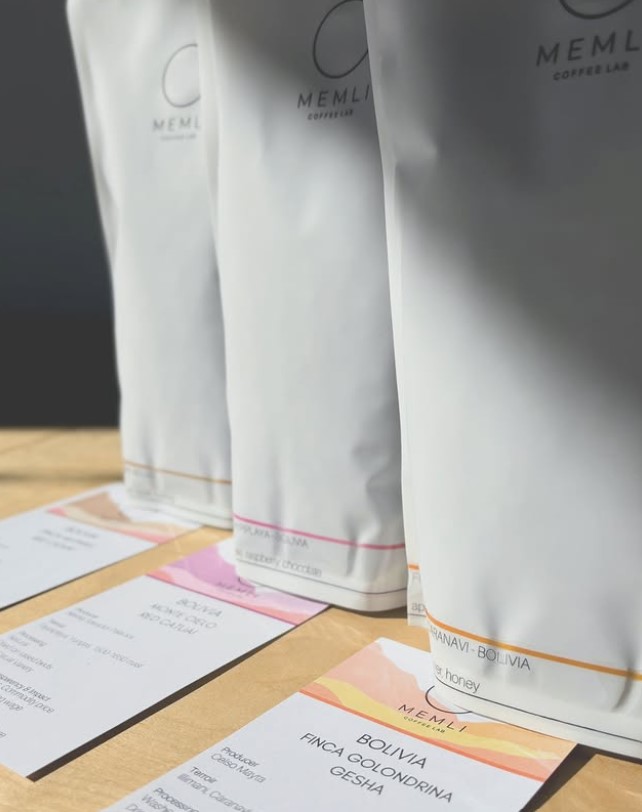
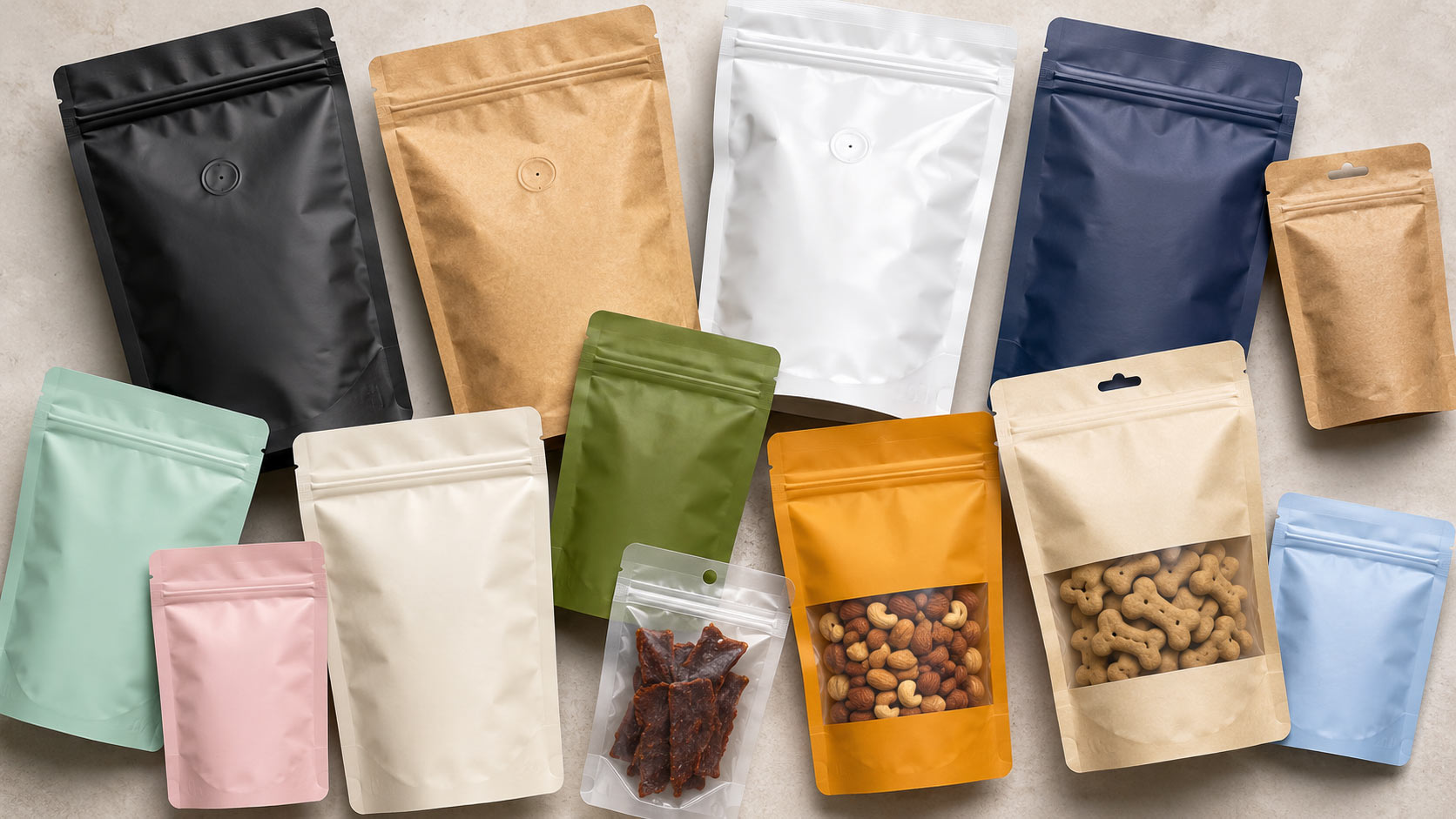
The first thing these three products share is the type of packaging itself. Coffee bags, snack pouches, and pet food bags are all forms of flexible packaging, which is a simple way of saying packaging that bends. It is the opposite of rigid packaging like glass jars, metal cans, and stiff boxes. A flexible package is made from thin layers of film that can be shaped into a bag, sealed, filled, and stood up on a shelf. Because coffee, food, and pet food all use this same format, they also use the same machines, the same raw materials, and the same skills to make them well. That is why a company that makes great coffee bags can usually make a great snack pouch or a pet treat bag without starting over. The knowledge carries straight across, which is the reason
custom coffee bags,
food packaging, and
pet food packaging so often live under one roof.
The Freshness Job Is the Same
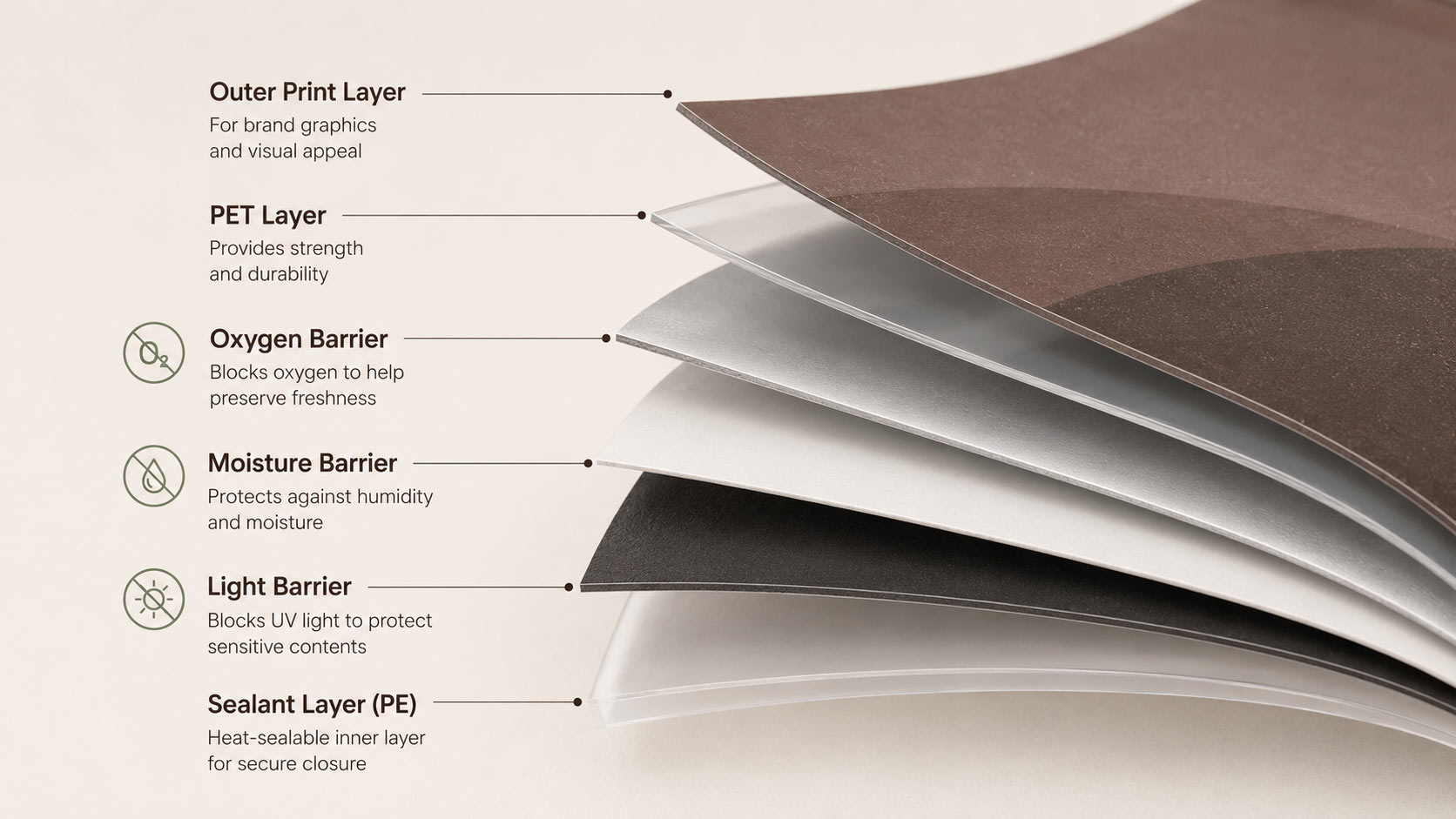
Every product in these three groups has one enemy in common, and that enemy is spoilage. Coffee loses its aroma and flavor when oxygen gets in. Snacks turn stale and soft. Pet food, which is often packed with natural fats and oils, can go rancid fast. The fix is the same across the board, and it comes down to barrier materials. A barrier is the part of the film that blocks the things that ruin a product. Good flexible packaging is built from several thin layers pressed together, and each layer has a job. One layer might block oxygen, another might block moisture, and another might block light or hold in aroma. Coffee often adds a small one-way valve so fresh beans can release gas without letting air back in, while pet food and snacks lean on strong moisture and oxygen barriers to protect texture and taste. The recipe changes a little from product to product, but the goal never does. Keep the bad stuff out, and keep the good stuff in. Because the barrier science is shared, the choices you weigh are shared too.
- How much oxygen and moisture protection the product actually needs
- Whether the bag should be clear, matte, or metallic
- Whether a valve, an extra seal, or a thicker film is worth the cost
Two Ways to Print the Same Bag
Once you know the shape and the film, you have to print your brand on it. Here again, coffee, food, and pet food all face the same two main choices, and they pick between them the same way. Those two choices are digital printing and rotogravure printing. Digital printing is the go-to for smaller runs and for brands with lots of different products. It prints straight from a file, so there are no expensive plates to make, which keeps the minimum order low and lets you launch full color designs without a huge upfront bill. That makes
digital packaging a favorite for new roasters, small snack makers, and pet brands testing a new flavor. Rotogravure printing is built for volume. It uses engraved cylinders to print, and while those cost more to set up, they deliver the lowest price per bag once you are ordering in large numbers, with rich color that stays consistent across huge runs. A high volume coffee roaster, a national snack brand, and a large pet food company all reach for
rotogravure for the same reason. When you print a lot, it pays for itself. The rule of thumb is simple. Small and flexible points you toward digital, while large and steady points you toward rotogravure, no matter which aisle your product sells in.
The Shape That Works Everywhere
Walk down the coffee aisle, the snack aisle, and the pet aisle, and you will keep seeing the same shape. That shape is the stand-up pouch, and it is the workhorse of flexible packaging. A stand-up pouch has a bottom gusset that lets it open up and stand on its own, which makes it easy to display and easy to store. The reason it shows up everywhere is that it just works. It gives you a big, flat surface to print your brand on, it holds product securely, and it comes in sizes that range from a tiny sample all the way up to a five pound bag. A coffee roaster uses it for beans, a food brand uses it for granola or jerky, and a pet brand uses it for treats or kibble. The fill is different, but the bag is the same idea. If you want to go deeper on why this shape took over, our guide to
custom coffee bags and stand-up pouches breaks it down.
Keeping It Fresh After the First Open
A bag does not just need to protect a product on the shelf. It needs to keep protecting it after a customer takes it home and opens it. That is where resealable closures come in, and they are shared across all three product types. Coffee drinkers reseal a bag between brews, snackers close it up between servings, and pet owners scoop out a portion every day and want the rest to stay fresh. The closures that solve this are the same ones used across the board, and each has its place.
- Press to close zippers that seal with a pinch
- Slider zippers that open and close like a plastic storage bag
- Tin ties that fold over and hold the bag shut
Picking the right closure depends on the product and the customer, not the category. A premium coffee, a bag of granola, and a bag of dog treats might all end up with the same zipper because it fits how people actually use them.
The Same Goals Across Every Aisle
Shoppers in every one of these categories are asking harder questions about waste, and they are asking them at the same time. Coffee buyers want greener bags, snack buyers read the label, and pet owners care about the planet their pets share. So sustainability is not a coffee issue or a food issue or a pet issue. It is all three at once. The tools to answer that demand are shared too. Brands can move toward recyclable mono material films, choose compostable options, or simply right size a bag so it uses less material. None of this is unique to one product. A
sustainable and compostable packaging approach that works for a coffee bag can work for a snack pouch or a pet treat bag with small tweaks. When one supplier already understands these options, it is easier to apply them across your whole lineup instead of solving the same problem three separate times.
Two Paths to the Shelf
The last thing coffee, food, and pet food have in common is the choice between stock bags and custom-printed bags. Both paths lead to the shelf, and both make sense depending on where a brand is in its journey. Stock bags are pre-made blank bags that you can buy quickly and in smaller amounts. You add your own label or sticker, and you are ready to sell. They are a smart starting point for a new brand or a quick launch because they cost less up front and ship fast, which is why
stock bags are popular with roasters, small food makers, and pet startups alike. Custom-printed bags take your artwork and print it right onto the film, giving you a full, polished, branded look with no sticker in sight. Many brands begin with stock bags to keep it simple, then graduate to custom-printed bags as they grow and want to stand out. This path is the same whether you sell coffee, cookies, or dog chews. Start simple, then scale into a look that is all your own.
One Partner, Three Shelves
Put all of this together and a clear picture appears. Coffee, food, and pet food packaging are not three separate worlds. They are three branches of the same tree, sharing the same flexible films, the same barrier science, the same printing methods, the same pouch shapes, the same closures, the same green goals, and the same stock or custom choice. That overlap is good news for any brand that sells more than one kind of product. Instead of hunting for a coffee supplier, a food supplier, and a pet supplier, you can work with one team that already speaks all three languages. You get consistent quality, easier reorders, and the chance to combine your volume across product lines, which can help you reach better pricing and lower minimums. One partner, one conversation, and your coffee, your snacks, and your pet treats all end up on the shelf looking sharp and staying fresh.
Same Family, Same Shelf, One Smart Choice
Coffee, food, and pet food packaging share far more than most brands realize. The same flexible packaging, barrier films, printing methods, pouch shapes, and resealable closures show up in every aisle, along with the same push toward sustainability and the same choice between stock and custom-printed bags. When the craft behind the bag is this similar, it makes sense to keep it simple and let one packaging partner handle all of it. Your products may sell in different sections of the store, but they can all come from the same trusted place.