What a Stick Pack Actually Is
A stick pack is exactly what the name suggests, a long, narrow tube of flexible film sealed at the top and bottom with a single serving sealed inside. Picture the slim paper sleeve of sugar at a coffee bar, then imagine it built from a real barrier film and printed like a premium bag, and you have the idea. It is taller than it is wide, it tears open at a notch near the top, and the customer pours the contents straight into a cup or a bottle. The whole point is one clean serving, used once, with nothing to measure and nothing left over.
It helps to be clear about what a stick pack is not, because the single-serve world has more than one format and they get mixed up constantly. A stick pack holds a dose you pour or dissolve, like instant coffee or a drink mix. A single-serve drip pouch, by contrast, is a tiny brewing system that you hang over a cup and pour hot water through. The two look related on a shelf, but they solve different problems, and choosing the wrong one means the package fights the product instead of helping it. If your customer dissolves or pours the contents, a stick pack is usually the right call.
The format earns its keep through portion control and portability. Every stick is the same dose, so there is no guesswork and no mess, and the skinny shape slips into a pocket, a purse, a glovebox, or a gym bag without taking up real space. For a brand, that convenience is the product as much as the powder inside it. A stick pack sells the idea that one perfect serving is always within reach.
Why Brands Are Reaching for Stick Packs
The single-serve habit has spread far beyond sugar packets, and stick packs rode that wave for good reason. Customers want to take their coffee, their electrolytes, and their supplements with them, and they want each serving to be right without hauling a tub and a scoop around. A stick pack answers that directly. It is the format people already associate with grab-and-go, so it feels familiar the moment a shopper picks one up.
Stick packs also open doors that a big resealable bag cannot. They are ideal for sampling, since a single stick is cheap to give away and lets a new customer try the product with zero commitment. They work beautifully in subscription boxes and variety packs, where a brand wants to show off several flavors at once. And they make a product feel premium and considered, because a row of clean, identical sticks reads as care rather than bulk. A few advantages tend to drive the decision.
- One fixed serving per stick removes measuring and the mess that comes with it
- The slim shape travels easily, which is the whole promise for an on-the-go product
- A single stick is an inexpensive, low-pressure sample for winning new customers
- Variety packs and subscriptions get easier when each flavor is its own sealed serving
What Goes Inside a Stick Pack
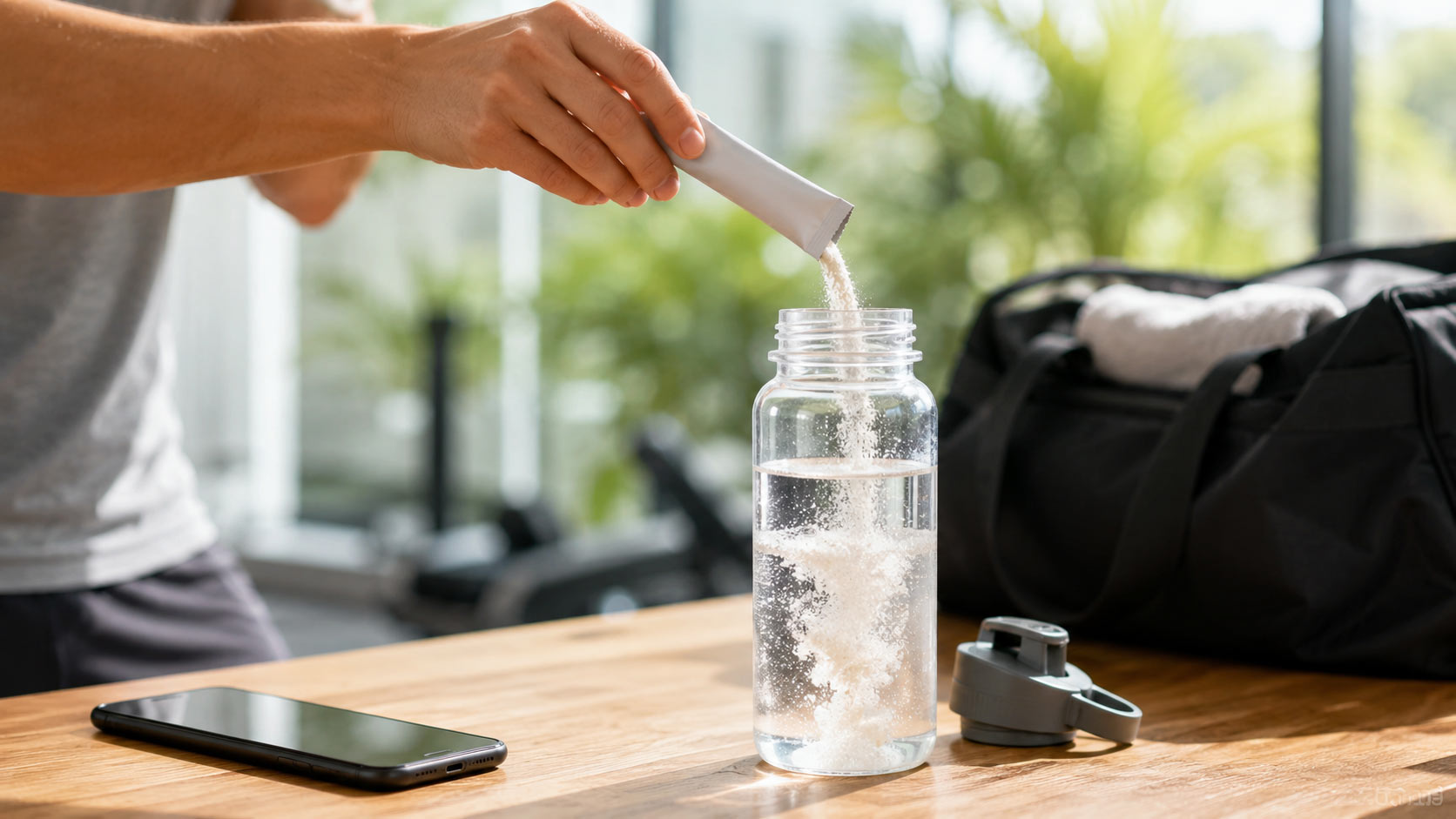
Stick packs were built for powders and fine granules, and that is still where they shine. Instant and soluble coffee is a classic fit, letting a roaster or brand offer a true grab-and-go product that dissolves in hot or cold water. The same goes for the fast-growing world of hydration, where electrolyte and drink mixes are sold by the stick precisely because the customer wants to dump one into a water bottle and shake. Brands building this kind of product often start the conversation alongside their
custom coffee bags, adding a single-serve line to a lineup that already sells in larger bags.
The format reaches well past beverages, too. Protein and collagen scoops, greens powders, pre-workout, vitamin and supplement blends, and even single-serve seasonings and sweeteners all fit the stick pack mold. The common thread is a dry, free-flowing product used one portion at a time. This is squarely a
food packaging decision as much as a coffee one, and the same questions about freshness and barrier apply no matter what powder is inside.
There are limits worth respecting. Stick packs are not made for chunky products, sticky pastes, or anything with large pieces that will not pour cleanly through a narrow opening. Liquids are a different challenge altogether and usually belong in a spouted pouch rather than a stick. Knowing the edge of the format keeps a brand from forcing a product into a package that will only frustrate the customer.
The Barrier Question: Keeping the Powder Dry and Fresh
Here is the part first-time buyers underestimate. Many of the powders that suit stick packs are hygroscopic, which is a fancy way of saying they pull moisture out of the air. Instant coffee, electrolytes, and a lot of supplement blends will clump, cake, or lose potency if even a little humidity sneaks in. A stick that does not block moisture turns a crisp single serving into a hard little brick, and the customer blames the product, not the package.
That is why the film matters more than the shape. A stick pack needs a real barrier built to keep oxygen and moisture out for the full shelf life you are targeting, which is why so many are made from foil or metallized laminates that seal tight at every edge. The seals themselves are part of the protection, since a stick has more seal area per serving than a big bag does, and a weak seam is the first place freshness leaks away. Newer recyclable and mono-material films are expanding the options here as well, so sustainability and protection no longer have to be a trade-off. A few barrier points are worth locking down early.
- Match the barrier film to how moisture-sensitive your powder really is, not to the cheapest option
- Remember that strong, consistent seals are as important as the film for keeping a stick fresh
- Set a clear shelf-life target up front so the film can be chosen to actually hit it
- Ask about recyclable or mono-material films if sustainability is part of your brand story
How Stick Packs Get Made and Filled
A stick pack starts life as a printed roll of film, not as a finished bag. That film runs through a vertical form-fill-seal machine, often called a stick pack machine, which folds the flat film into a narrow tube, seals the back seam, drops in one measured dose, and seals the top and bottom to cut each stick free. The whole sequence happens in one fast, continuous motion, which is what lets stick packs be produced at the speed and low cost that make single-serve viable in the first place.
For most brands, the practical model is a partnership. Your packaging partner supplies the printed roll stock film and helps you spec the right barrier, width, and print, while a co-packer or your own stick pack line forms and fills the sticks. That split matters when you plan a project, because the film and the filling equipment have to agree on dimensions, seal style, and dosing before anything runs. Bringing the packaging conversation in early, the same way you would for a bag, keeps the film and the machine from showing up mismatched on production day.
Designing a Stick Pack That Still Sells
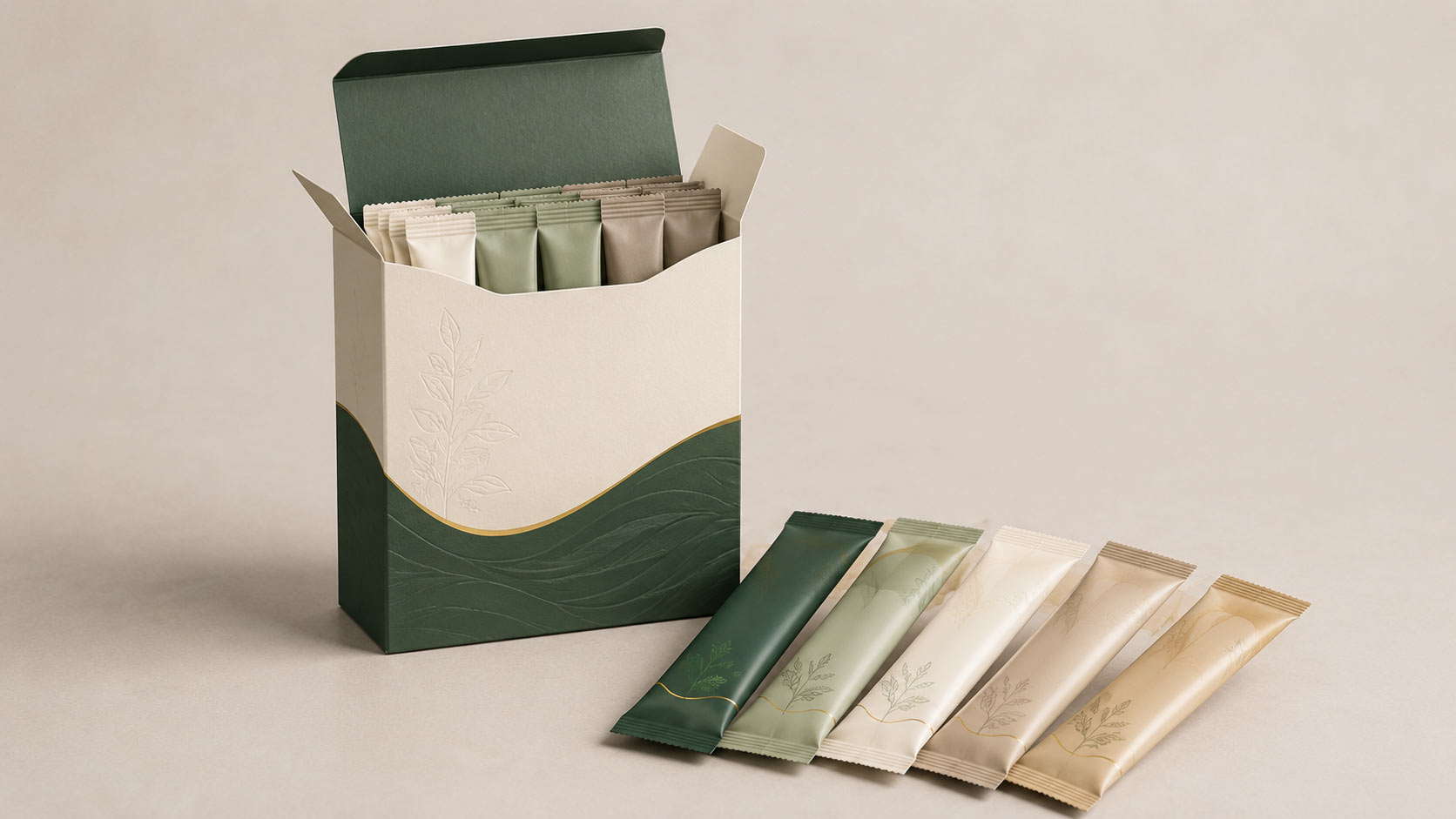
A stick pack hands a designer a hard constraint, which is a tall, skinny canvas with very little width to work with. A logo and color treatment that looks great across a wide stand-up bag can feel cramped and unreadable squeezed onto a stick. The brands that do this well design for the format on purpose, leaning on bold color, a simple mark, and clean vertical layouts that a shopper can read at a glance. Cramming a full bag design onto a stick is one of the most common mistakes, and it shows.
Print quality also has to hold up at small sizes, since fine type and intricate art lose definition fast on a narrow web of film. This is where
digital packaging is especially handy for stick packs, because it prints crisp detail and makes it affordable to run several flavors or variations without a huge commitment. Remember, too, that the stick is rarely sold alone. It usually lives inside an outer carton, a stand-up pouch, or a shipper that holds a count of sticks, and that outer package carries the heavier branding and the full product story. Designing the stick and its outer package together gives you a small piece that is legible and a larger one that does the selling.
Choosing a Print Method and Run Size
The right print method for a stick pack follows the same logic as any other flexible package, and it comes down to volume and how settled your design is. Smaller and more flexible runs, the kind a brand uses to launch a product, test flavors, or keep a seasonal item fresh, are a strong match for digital printing, which keeps minimums reasonable and lets artwork change without a painful setup. A brand finding its footing should not lock a fortune into film for a design it may want to tweak.
Once a stick pack product proves itself and the orders climb, the math shifts. High-volume, steady runs are where
rotogravure printing earns its place, delivering a lower cost per stick and rich, consistent color across very large quantities. The honest move is to match the method to where your product actually is, not where you hope it will be in a year. A few habits keep an order clean from quote to delivery.
- Use digital for launches, samples, variety packs, and anything with changing artwork
- Move to rotogravure when volume is high and the design is locked, to bring the per-stick cost down
- Confirm the stick width and dose with your filler before the film is printed
- Plan the outer carton or pouch at the same time, since it carries most of the branding
Closing: One Serving, Done Right
The Skinny Package That Carries a Whole Habit
A stick pack looks almost too simple to matter, a thin sleeve of film with a single serving inside, yet that simplicity is exactly why it works. It gives a customer one perfect dose, anywhere, with nothing to measure and nothing wasted, and it gives a brand a low-cost way to sample, to bundle, and to ride the grab-and-go habit that keeps growing. The success of a stick pack lives in the details most shoppers never notice, the barrier film that keeps the powder dry, the seals that hold freshness in, the print built for a narrow canvas, and the outer package that tells the story. Get those right with a packaging partner early, and your single serving shows up exactly the way you intended, fresh in the pocket and ready the moment your customer is.