4. Behind the Bean: Money, Trade, and Inequality
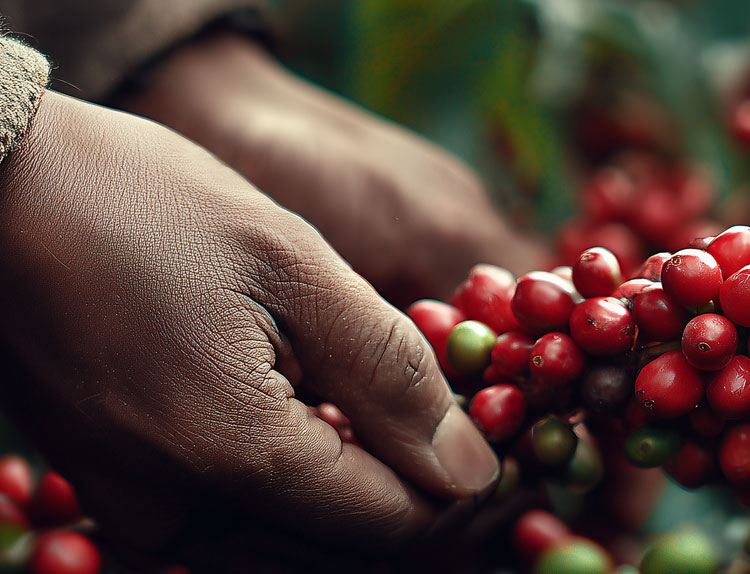
Coffee is a huge global business, but the money isn’t evenly spread. Most of the profit stays with consuming countries, while producing nations often face economic struggles.
Key challenges in the coffee economy: - Profits often skip the farmers and stay with big companies.
- Consumers are starting to care more about where their coffee comes from.
- Fair trade and sustainability practices are gaining attention.
- Ethical sourcing is now a key factor in brand reputation.
The more informed coffee drinkers become, the more pressure there is on the industry to do better.
5. How Coffee Adapts to Local Tastes
Global brands know they can’t serve the same coffee everywhere. They have to adjust to local preferences to succeed. That’s why menus in Tokyo or São Paulo might include flavors and drinks you won’t find anywhere else.
The rise of specialty coffee has also changed the game by encouraging: - New tools and brewing methods
- Experimental roasting styles
- Deeper appreciation for flavor origins
Coffee never stands still. It changes with the people who drink it.
What Coffee Reveals About Us
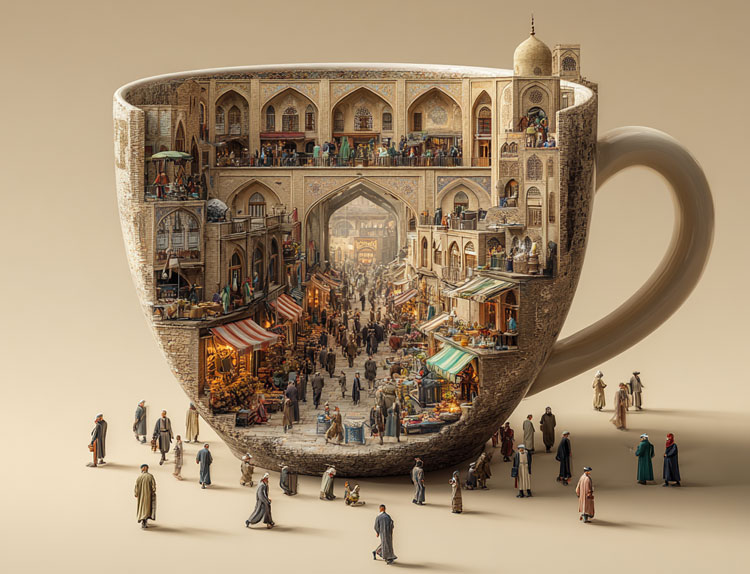
No matter where you go, there’s a good chance coffee will be part of the picture. But how it’s prepared, shared, and experienced says a lot about the local culture. Whether it’s a moment of reflection, a reason to gather, or a product of global trade, coffee continues to reflect the values and voices of the people who drink it. One drink, many meanings