What Tamper-Evident Packaging Actually Means
Tamper-evident packaging is any feature that leaves visible proof when a package has been opened or messed with before the customer buys it. The goal is simple. A shopper should be able to look at your coffee bag, pouch, or box and know, without a doubt, that they are the first person to open it. If someone got in there first, the package should show it clearly with a broken band, a torn strip, or a label that will not go back on cleanly.
People mix up a few terms here, so it helps to keep them straight. Tamper-evident is about showing proof of entry. Tamper-resistant means the package is hard to open in the first place, like a child-resistant cap. Seal strength is a different question again, and it only asks whether your seal holds tight and keeps air out. A bag can have a strong seal and still offer zero tamper evidence. Getting freshness right is covered well in our post on
seal strength for coffee and snack food packaging, but that is about keeping the product good, not proving it was untouched.
Both matter, and they solve different problems. Freshness protects the coffee. Tamper evidence protects the customer's trust and your brand's name.
The Tamper-Evident Features You Can Actually Use
There is no single way to make a package tamper-evident. The right choice depends on whether you are filling a flexible pouch, a rigid jar or tin, or a printed box. Most food and coffee brands end up using one of a handful of proven options, and several of them can be added right on top of the packaging you already run.
- Induction seals are foil liners that get heat-sealed across the mouth of a jar or tin. The customer has to peel that "sealed for freshness" disc off before they can reach the product, and once it is gone, it is gone. These work best on rigid containers.
- Shrink bands wrap around the lid and neck of a jar or tin, then shrink tight with heat. A perforated tear line lets the customer snap it off, and a broken band on the shelf is an instant red flag.
- Full-body shrink sleeves cover the whole container and double as printed artwork. Add a perforation and you get bold branding plus tamper evidence in one step.
- Security labels, sometimes called void labels, are placed over a box flap or a bag opening. Peel one and it either tears apart or leaves a "void" pattern behind, so it cannot be smoothed back into place.
- Perforated tear strips built into a pouch or box force a clean, one-time opening that a customer can see was never broken before.
For most coffee brands, the everyday workhorses are security labels and tear features, because they layer onto standard
custom coffee bags and
custom printed boxes without changing the whole production line.
Coffee Bags Have a Built-In Head Start
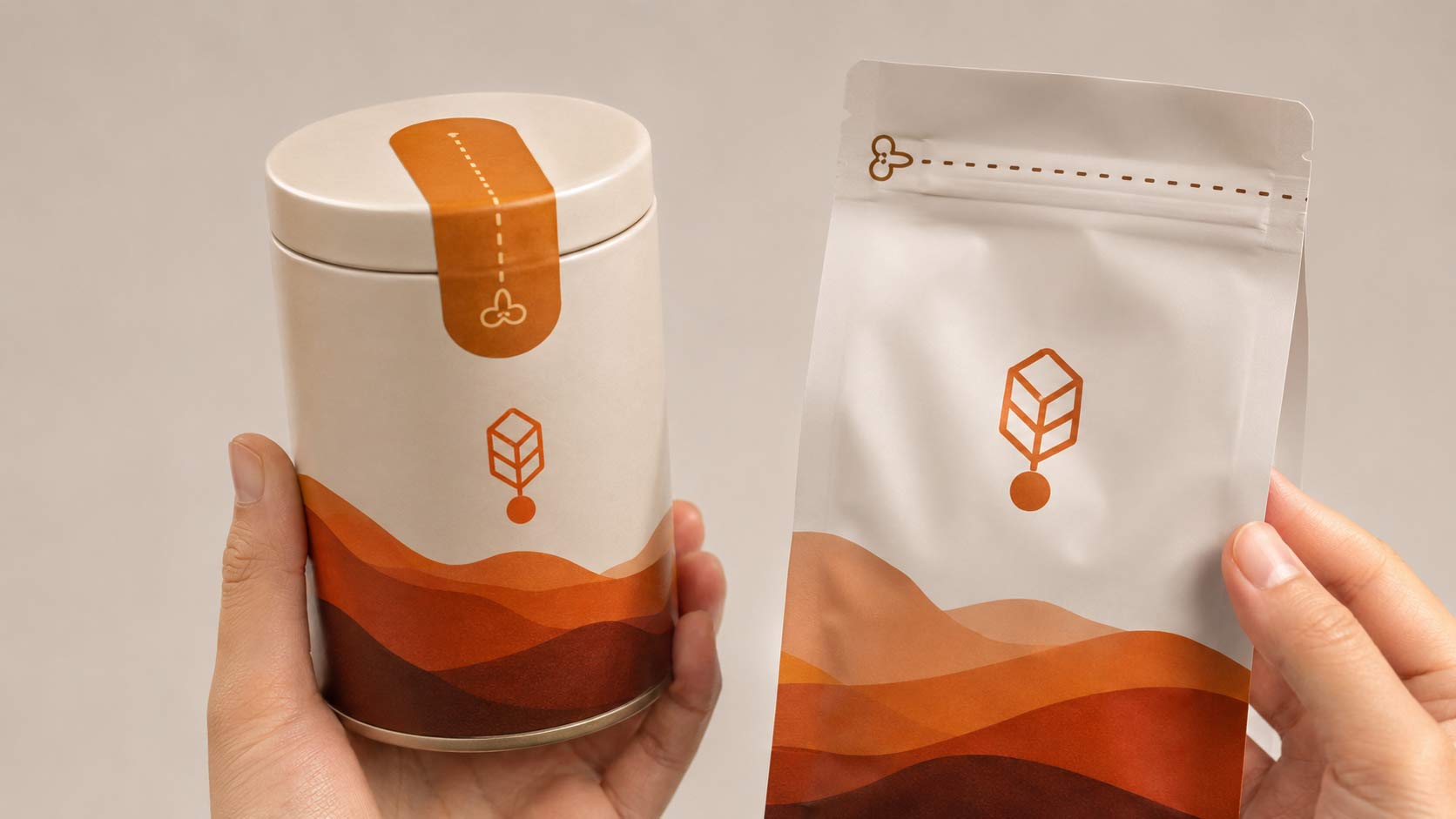
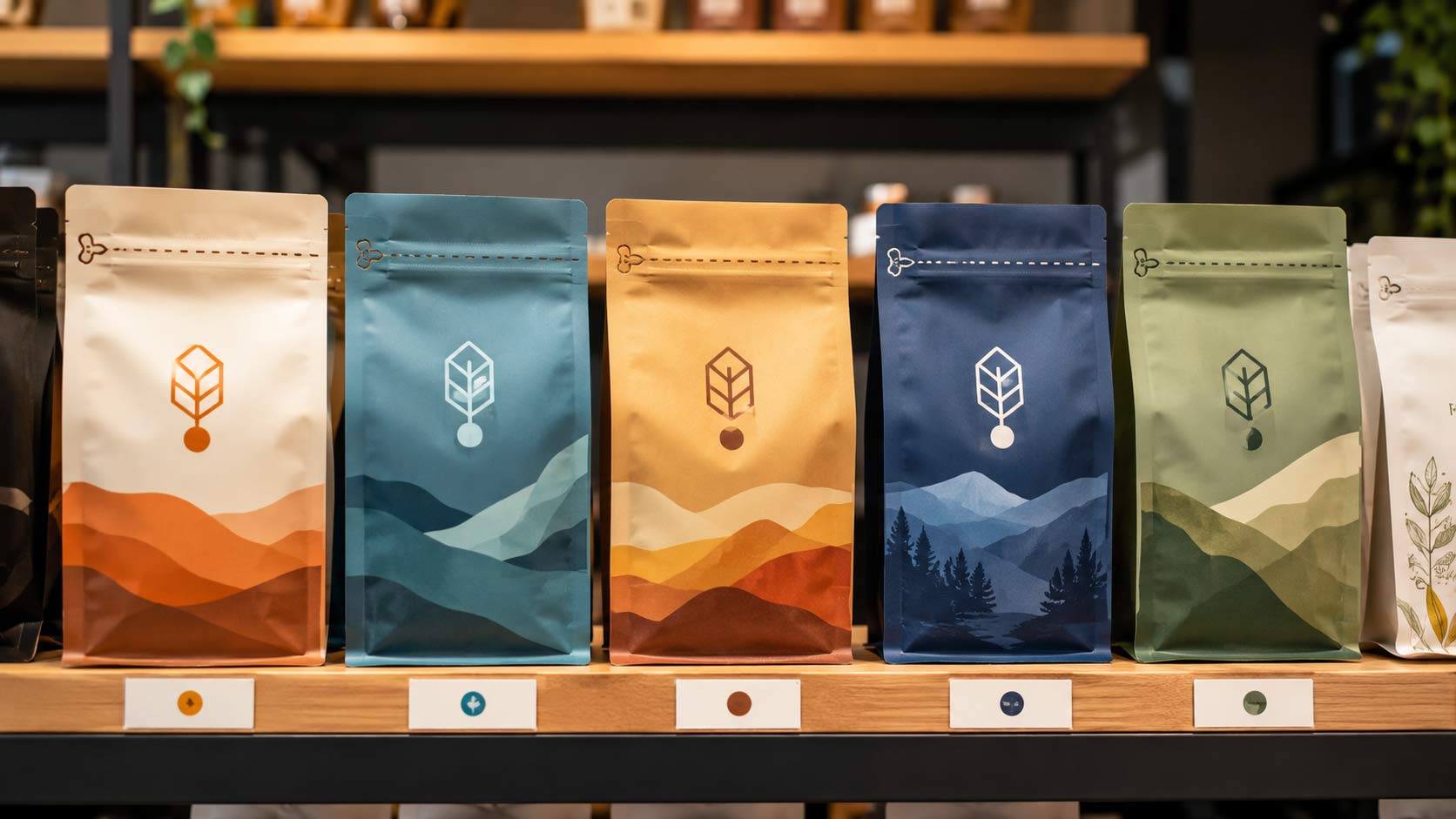
Here is something many roasters miss. A heat-sealed coffee bag already carries a basic form of tamper evidence, and you can make it much stronger with one small design choice. When a bag has a resealable zipper, you can run a factory heat seal across the very top, above the zipper. To get inside, the customer has to tear that top strip off. Once it is torn, there is no faking it back together, and the zipper below stays clean for daily reuse.
That top seal turns an ordinary resealable bag into a package that quietly proves first use. Pair it with the guidance in our post on
resealable coffee bags with an air-tight valve and you get freshness protection and a first-open signal working together. You can also call attention to the feature with print. A short line like "tear here, sealed for your protection" printed right above the tear point tells the customer exactly what to look for and reminds them your brand thought about their safety.
Labels can reinforce the message too. A small seal sticker placed across the tear point acts as a second layer, and our guide to
coffee bag labels and applicators walks through the label types that fit this job.
When Tamper-Evidence Moves From Nice to Required
Not every product legally needs a tamper-evident seal, and it is worth being honest about where the real rules sit. Strict federal tamper-evident requirements apply to over-the-counter medicines and certain health products, going back to the packaging reforms of the 1980s. General food and coffee do not carry that same blanket federal mandate. In practice, the pressure to add tamper evidence usually comes from three other directions.
- Retailers set the bar. Many grocery chains, big-box stores, and club retailers expect a visible tamper feature before they will stock an ingestible product, and their vendor rules can be stricter than any law.
- Product category raises the stakes. If your coffee crosses into functional or supplement territory, or you sell anything marketed for health benefits, buyers and regulators expect a higher standard of protection.
- Customer trust drives the rest. Shoppers have been trained for decades to check for a seal on anything they eat or drink. A missing or broken one can end a sale on the spot, no matter what the rulebook says.
Even when it is optional, a tamper-evident feature is one of the cheapest forms of insurance a food or coffee brand can buy. It protects you if a bad actor ever targets your product, and it protects the shopper who wants to feel safe. That trust is the whole point of good
food packaging.
Balancing Safety, Cost, and Design
The most common worry brands raise is that a safety feature will add cost or crowd out their artwork. The reality is more forgiving than most people expect. A security label or a printed tear line adds only a small amount per unit, and it often replaces a plainer closure you were paying for anyway. Shrink sleeves are the interesting case, because they add tamper evidence and hand you a full canvas of printed real estate at the same time, so the safety step doubles as a branding upgrade.
A few smart moves keep the whole thing clean and affordable.
- Pick one strong feature and do it well instead of stacking three that confuse the customer.
- Build the tamper element into your artwork early, so the tear point and any seal callout look designed, not tacked on.
- Match the feature to the format, using induction seals for tins and jars, and tear strips or labels for flexible pouches and boxes.
Done right, tamper evidence never fights your design. It becomes part of the story your package tells, sitting alongside your freshness barrier, your finish, and your logo as one more reason a shopper reaches for your product with confidence.
Sealed, Trusted, and Ready for the Shelf
Tamper-evident packaging is not about scaring customers. It is about removing a doubt before it ever forms. When a shopper picks up your coffee or food and sees an intact seal, a clean tear strip, or an unbroken band, they get a small, silent promise that everything inside is exactly as you intended. That promise is quick to add, easy to design around, and hard to overvalue. Whether you sell a single-origin roast, a snack line, or a shelf full of specialty foods, a clear first-open signal tells the world your brand takes their safety as seriously as their flavor.