Why Winter Deserves Its Own Packaging Plan
Most roasters think about winter packaging for about six weeks. They plan for the holidays, sell hard through late December, and then treat January and February like a dead zone. The problem with that habit is simple. Winter is not a six week event. It is a full season that stretches from the first cold weeks of December all the way into late February, and people drink more coffee in cold weather, not less. When you plan only for the holidays, you leave two of the strongest coffee-drinking months of the year sitting on the table.
Winter coffee packaging is the answer to that gap. Instead of designing a single holiday box and calling it done, you build a plan that carries through the whole cold season. That means thinking about the gift box you sell in December, the everyday box and bag a customer reorders in January, and the small seasonal touches that keep your brand feeling fresh when the holiday glitter is long gone. The roasters who win in winter are the ones who treat the season as one long opportunity rather than one short sprint.
Start With the Box, Not the Bag
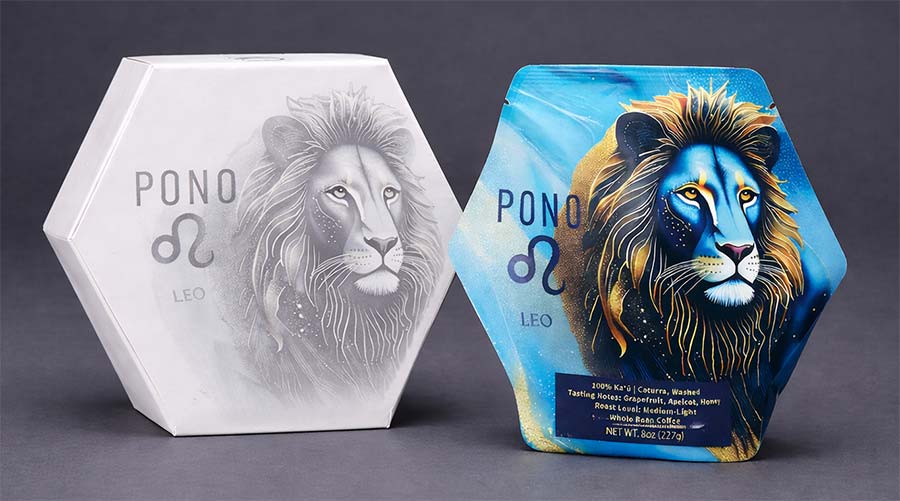
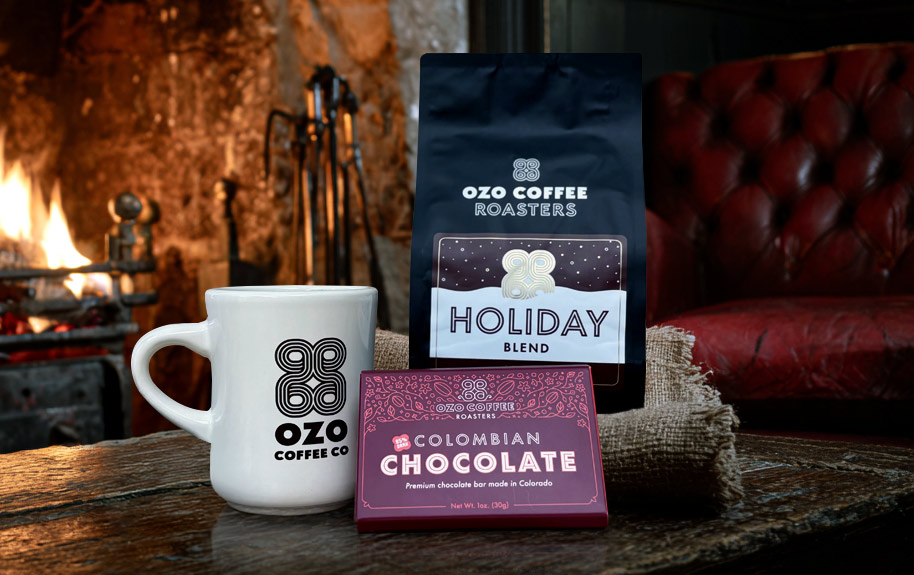
For winter, the box is the star. A coffee bag sitting alone on a shelf is a product. A coffee bag tucked inside a well-made box is a gift, and gifting is what drives so much of winter coffee buying. That is why a boxes-led approach makes sense for the season. When you start your planning with the box and then choose the bags to match, you end up with a package that feels intentional and complete instead of thrown together at the last minute.
A strong winter box does a few jobs at once. It protects the coffee, it presents the brand, and it creates a moment when the customer opens it. That opening moment matters more than most roasters realize, because it is the part people photograph, share, and remember. A plain shipping carton with a bag rattling around inside does none of that. A
custom box with your logo turns the same coffee into something that feels worth giving and worth keeping.
Think about the different box jobs your brand needs for winter. A gift set box holds two or three bags plus maybe a mug or a small treat. A single-bag presentation box dresses up one premium roast. A subscription box ships the same coffee every month but still needs to feel special in the cold season. Each of these is a different box, and planning them up front keeps your winter lineup from feeling like an afterthought.
Mailer Boxes and the Winter Shipping Surge
Winter is when shipping volume spikes, and not just for the holidays. Gifts go out in December, but reorders, subscriptions, and Valentine's gifts keep the mail moving through February. That makes the mailer box one of the most important pieces of your winter coffee packaging plan.
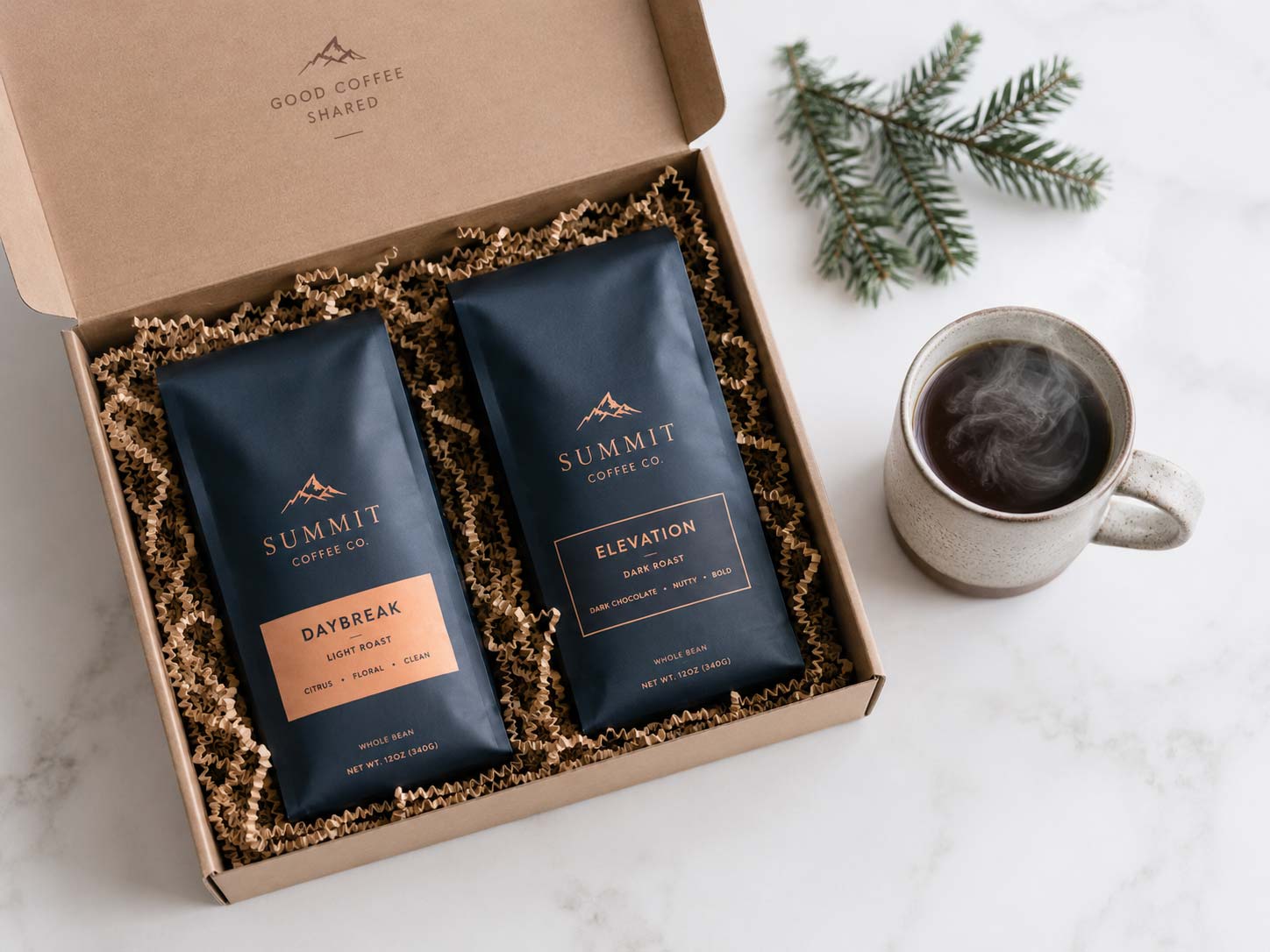
A good mailer box has to survive a rough trip. Winter shipping means trucks, cold warehouses, and packages left on porches in freezing weather. The box needs enough structure to protect the bags inside without adding wasteful bulk. It also needs to look good the moment the customer opens the door, because for many online buyers, the box is the only physical part of your brand they ever touch. A printed mailer that matches your bags and your story turns a delivery into an experience.
For brands that run a monthly coffee club, the mailer is doing double duty all winter long. Your
coffee subscription shipments are a chance to keep customers engaged through the slow weeks after the holidays. A small change to the box art for January or a winter-themed insert can make a routine delivery feel like a fresh seasonal touch, which is exactly what keeps people from canceling when the holiday excitement fades.
Match the Bags to the Box
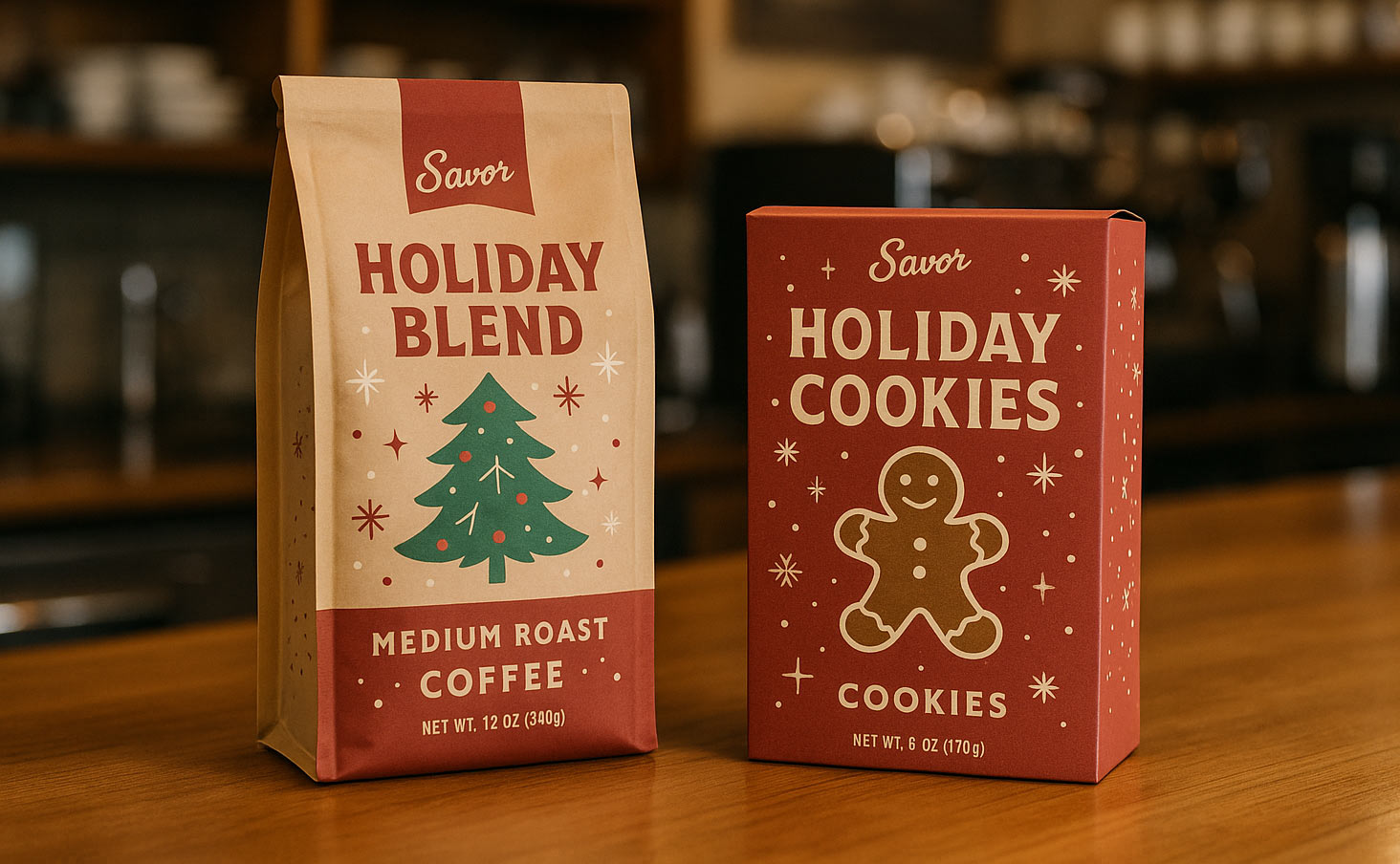
Once the box is set, the bags inside it need to pull their weight. A beautiful box that opens to reveal a mismatched or generic bag breaks the spell. The goal is a package where the box and the bag feel like they belong together, from the colors to the finish to the overall mood.
This is where your
custom coffee bags and your box need to share a design language. If the box uses a deep evergreen and copper palette, the bag should echo it. If the box has a matte finish, a glossy bag inside can feel jarring unless that contrast is on purpose. The smartest winter packaging treats the box and the bag as one connected design, planned together rather than ordered separately and hoped to match.
Bag style matters too. Stand-up pouches present well when a customer lifts the bag out of the box, since they hold their shape and show off the front panel. Flat bottom box-bottom bags stack neatly inside a gift set and give a premium, upright look. Whatever you choose, fill weight and bag size should be tested against the box dimensions so nothing rattles loose or gets crushed in transit. A bag that fits the box snugly looks deliberate and protects the coffee better.
Winter Is Not Just December
Here is the part most roasters miss. The holiday season ends, but winter does not. January and February are cold, dark, and full of people who want a warm cup and a small comfort. If your packaging plan stops on December 26th, you are walking away from two months of steady demand.
There are real selling moments in deep winter that have nothing to do with the holidays. New Year resolutions push people toward better daily habits, and a fresh bag of good coffee fits right in. Valentine's Day in February is a natural gifting moment, and a small two-bag box with a winter feel sells well without leaning on holiday imagery. Even the plain stretch of late January, when the weather is at its worst, is when a cozy dark roast in warm packaging feels most appealing.
To capture all of this, your winter coffee packaging should include at least one design that reads as winter without reading as holiday. That means leaning on snowy textures, warm drinks, and cold-weather comfort instead of ornaments and wrapping paper. A package built around the whole season keeps selling long after the holiday-specific boxes have to come off the shelf.
Materials That Survive Cold-Weather Shipping
Cold weather is hard on packaging in ways that warm-season shipping is not. Adhesives can get brittle, films can stiffen, and boxes left out in freezing temperatures take more abuse than they would in mild weather. Choosing the right materials up front saves you from damaged shipments and unhappy customers.
For the coffee itself, a high-barrier bag with a one-way degassing valve protects freshness no matter the temperature outside. The barrier film keeps oxygen and moisture out, which matters even more when a package sits on a cold porch before someone brings it inside. For the box, a sturdy corrugated structure handles the bumps of winter freight better than a thin folding carton, especially for mailers traveling long distances.
Sustainability still belongs in the winter conversation, and it does not have to fight against durability. Many roasters now pair recyclable or compostable bag options with boxes made from recycled content. If eco-friendly packaging is part of your brand, winter is a strong time to highlight it, since gift buyers increasingly notice and reward it. Printing those boxes and bags through
eco-friendly digital printing keeps the seasonal run cleaner without forcing you to choose between looking good and doing good.
Design Cues That Read as Winter, Not Holiday
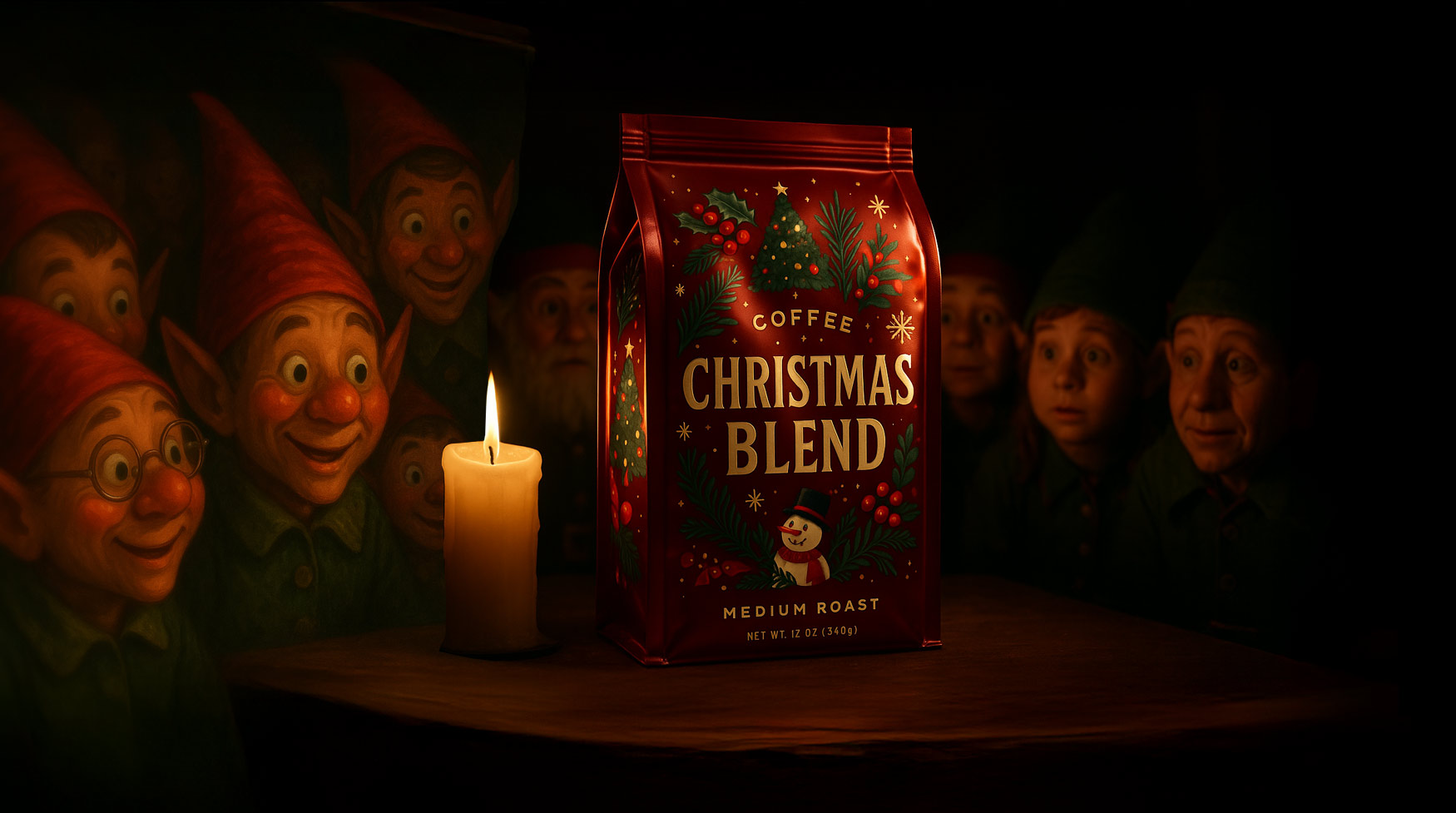
There is a meaningful difference between holiday design and winter design, and understanding it lets you stretch your packaging across more weeks. Holiday design is loud and specific. It uses red and green, ornaments, and clear references to a single late-December event. Winter design is broader and quieter. It can carry a package from the first cold week all the way to the thaw.
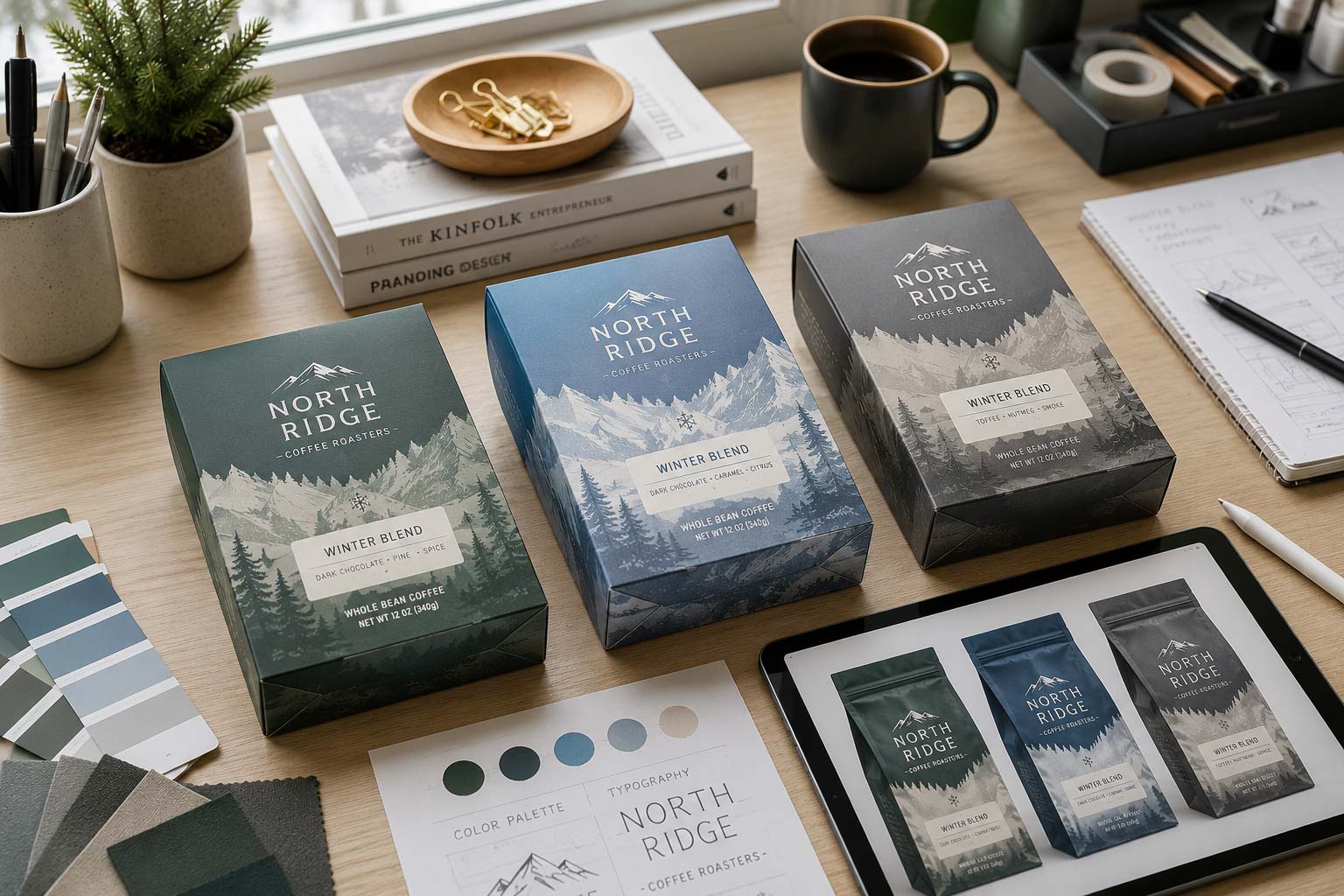
Winter cues tend to feel calm and warm at the same time. Think deep blues and grays paired with warm metallics, snowy or frosted textures, evergreen tones without the holiday baggage, and imagery of steaming mugs and cold mornings. These choices feel seasonal without locking the package to a single date, which means a winter-themed box can keep selling in February when a holiday box would look out of place.
A few design moves help winter packaging stand out on a crowded shelf or in a busy mailbox.
- Use matte finishes and soft metallic accents to suggest frost and warmth together
- Keep type clean and readable so the package still works at small online thumbnail sizes
- Build one core winter look that small inserts or belly bands can refresh for January and Valentine's
- Avoid date-specific holiday symbols so the same box stays relevant for the full season
Lead Times: Winter Packaging Starts in Summer
The hardest truth about winter coffee packaging is that the planning has to happen long before the cold arrives. Custom boxes and bags take time to design, proof, and produce, and the busiest production windows fill up fast as fall approaches. A roaster who waits until November to think about winter packaging is already too late for anything custom.
The realistic timeline runs backward from when you need product in hand. If you want boxes and bags ready to fill by early November for the holiday lead-in, design and approvals need to be locked by late summer, with production booked right after. That is why the smart move is to plan the whole winter season during the slower summer months, when you have time to make good decisions instead of rushed ones.
Digital printing gives you more flexibility here, since it supports lower minimum quantities and faster turnaround than long traditional runs. A roaster who wants to test a winter design without committing to a huge order can run a shorter
digital packaging batch, see how it sells, and reorder if it works. For brands that also sell winter food items alongside coffee, the same planning logic applies to
food packaging, which often shares the same production calendar and the same tight fall deadlines.
A Quick Winter Packaging Checklist
Before you lock in your winter coffee packaging, work through this short list to make sure your plan covers the whole season and not just the holidays.
- Did you plan a gift box, a mailer box, and a single-bag option rather than one box for everything
- Do the bags inside each box match the box in color, finish, and overall mood
- Did you create at least one design that reads as winter without being holiday-specific
- Are your materials sturdy enough to handle cold-weather shipping and porch drop-offs
- Did you account for January, Valentine's Day, and February demand, not just December
- Did you start the design and production process early enough to beat the fall rush
- If sustainability is part of your brand, did you carry it through both the box and the bag
Build for the Whole Cold Season, Not Just the Rush
Winter rewards the roasters who think past the holidays. The brands that plan a single December box and then go quiet leave money on the table, while the ones who build a complete winter coffee packaging plan keep selling through the coldest, most coffee-hungry weeks of the year. Start with a box worth gifting, match the bags to it, design for the whole season instead of one date, and get the work done before the fall calendar fills up. Do that, and your packaging keeps working long after the wrapping paper is in the recycling bin.