A Valve Is Not a Closure
Start here, because this is the mix-up we field most often. The little round button on the front of a coffee bag is a one-way degassing valve. It lets carbon dioxide from freshly roasted coffee escape so the bag does not balloon, and it stops outside air coming back in. That is all it does. It does not reseal anything. It does not help the customer close the bag after they scoop out the first dose.
A bag can have a valve and no closure at all. Plenty do. If your customer opens the bag, uses half, and rolls the top over, the valve is not what is protecting the rest. Air is coming in through the opening you just cut.
So treat the valve as a freshness feature for the sealed bag, and the closure as a freshness feature for the opened one. They solve different problems at different points in the bag's life, and you can buy either without the other.
Heat Seal Only, and When That Is the Right Answer
Every bag we make ships with an open top. You fill it, then you heat seal it. That weld is the primary closure, and for a lot of coffee it is the only one you need.
Heat seal only makes sense when the bag gets emptied fast. A 12 oz bag going to a household that brews daily is empty in two weeks. A 5 lb bag going to a cafe gets tipped into a hopper within days of opening. In both cases the customer is not resealing anything, so a zipper is money spent on a feature nobody uses.
It is also the cleanest look. No zipper track, no wire, nothing interrupting the print across the top of the panel. If the design is doing the selling, that matters.
The Zipper: What You Are Actually Buying
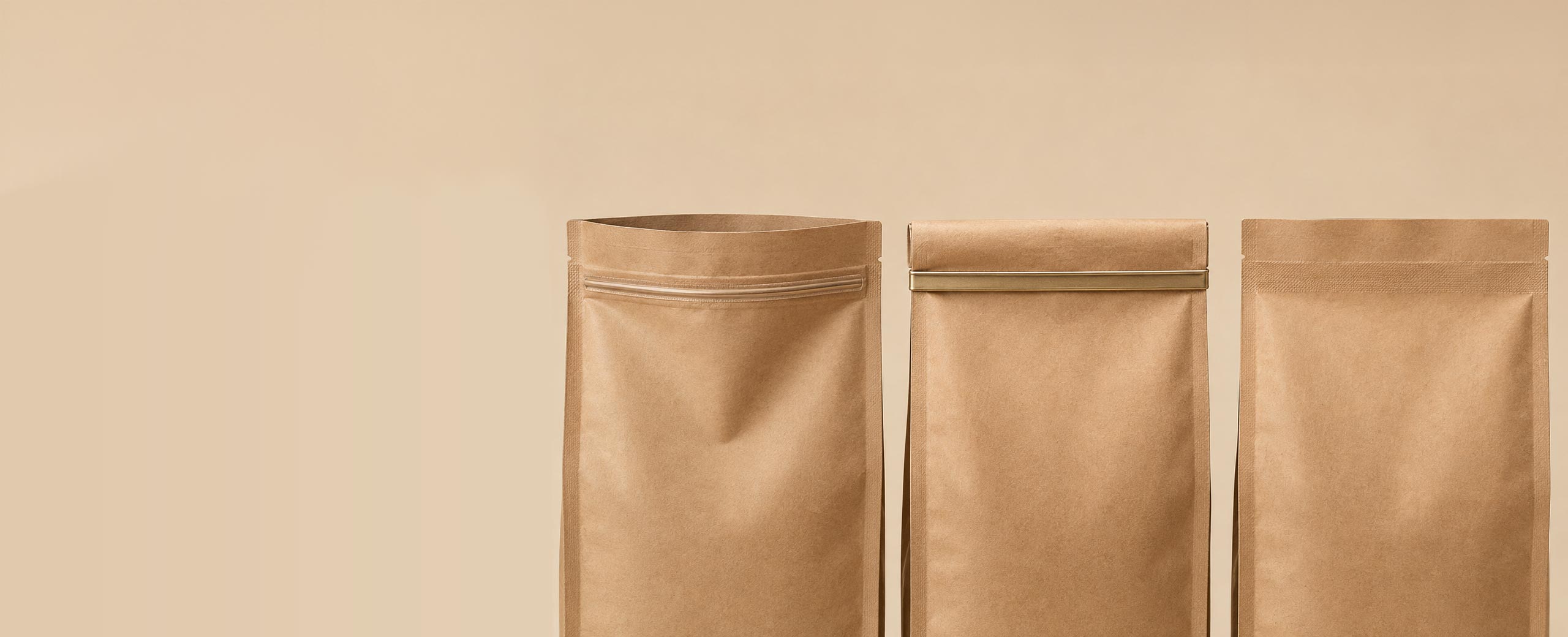
A press-to-seal zipper is the closure customers understand without being told. Press it shut, it stays shut, and it does that hundreds of times. On our stock range the Stand Up Pouch and the Quad Seal Box Bottom both carry one; the Side Gusset does not.
What you are buying is not an airtight seal. It is a good enough seal, repeatedly, operated by someone who is not paying attention. That is a real thing to buy. The alternative is a bag that gets folded over and clipped, or not closed at all.
What you are giving up is a little headroom and a little cost per unit. The zipper track sits below the heat seal, which means the fill line drops slightly for the same bag height, and the closure adds material.
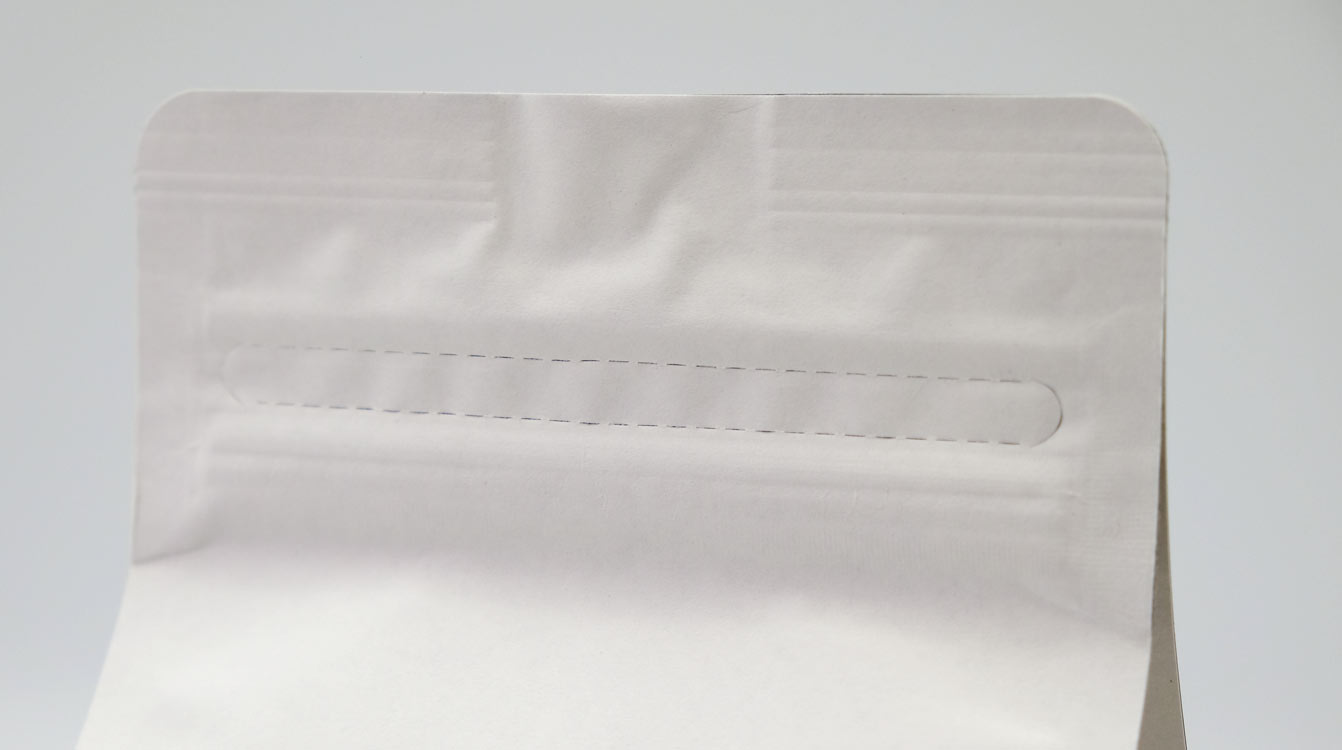
Worth knowing: the zipper does not replace the heat seal. On a zippered bag you still seal the top above the track. The customer cuts or tears that off, and the zipper takes over from there. That is why a zippered bag also wants a tear notch.
The Tin Tie: Underrated, and Not Just for Looks
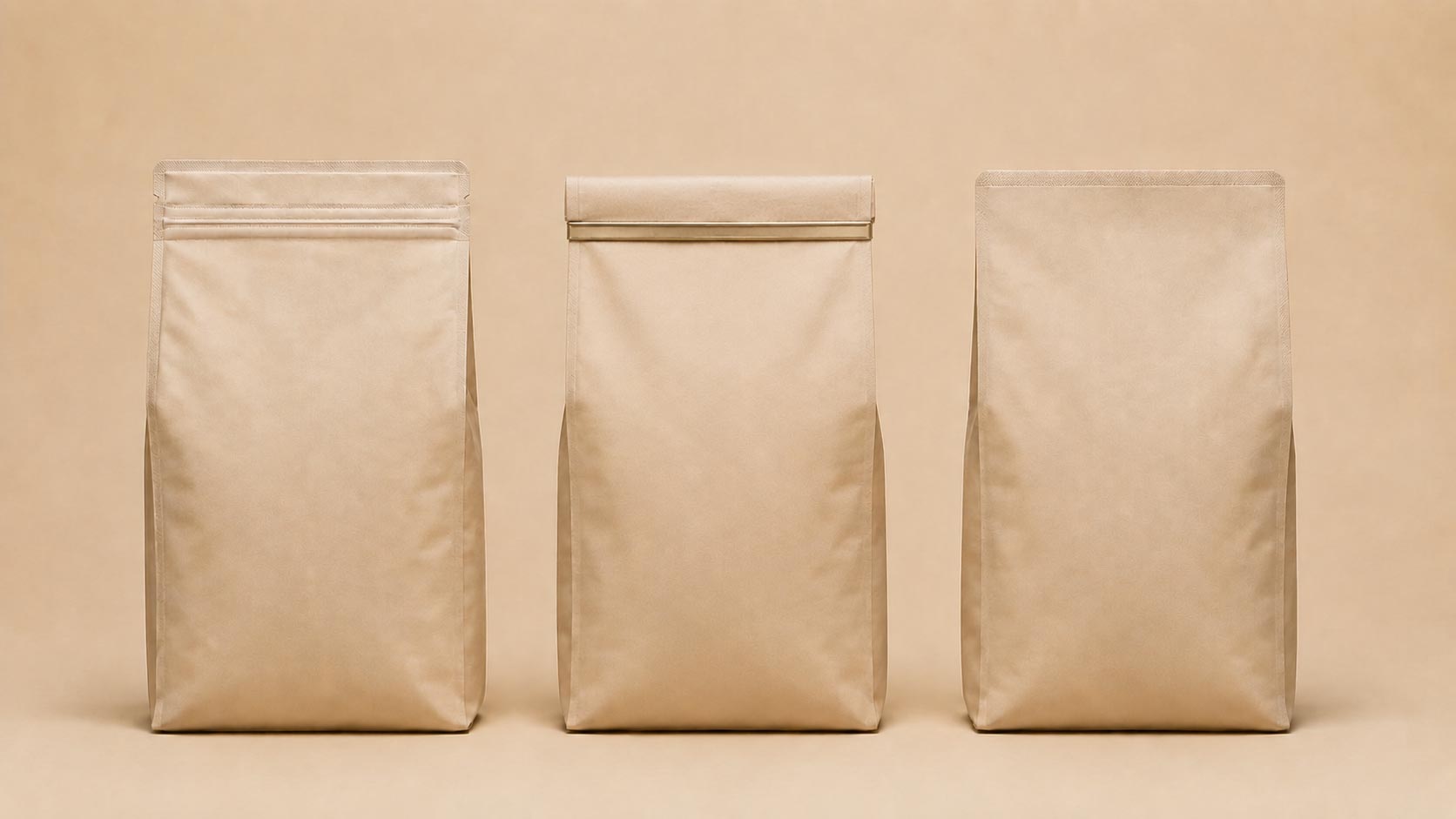
A tin tie is a folding strip across the top of the bag that the customer bends over to close. It reads as craft, which is why it turns up on so many small-batch and single-origin bags, and we run
Bedford tin ties for exactly that reason.
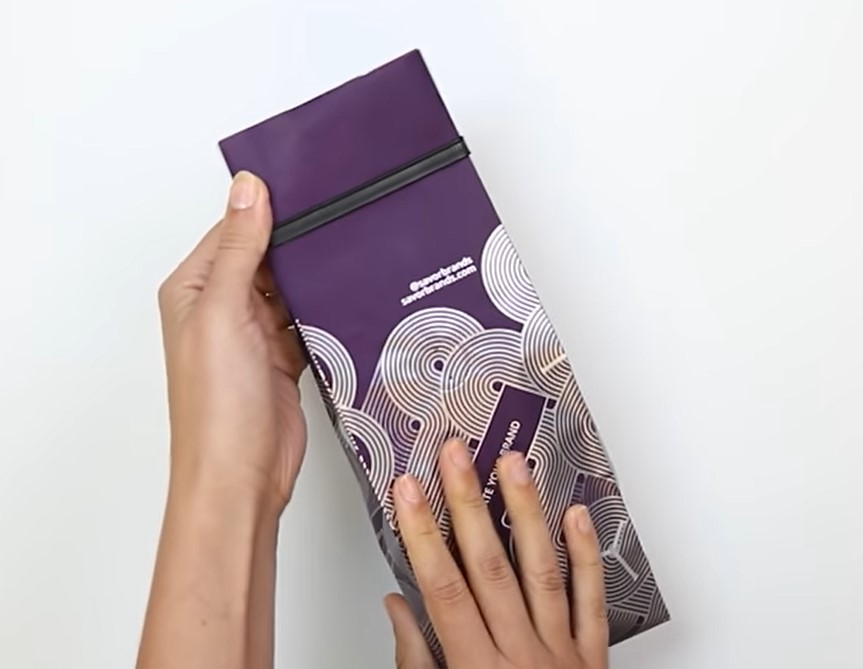
But the reason to choose one is not only aesthetic. A tin tie closes a bag that has already been opened raggedly. A zipper only works if the customer opened the bag cleanly above the track. A tin tie forgives a bad opening, because you fold whatever is left.
It seals less well than a zipper. It is a fold, not a press fit, and it will not hold a tight closure against a bag that is nearly full and under pressure. For coffee going home to be used within a few weeks, that is usually fine.
The Tear Notch Is an Opener, Not a Closure
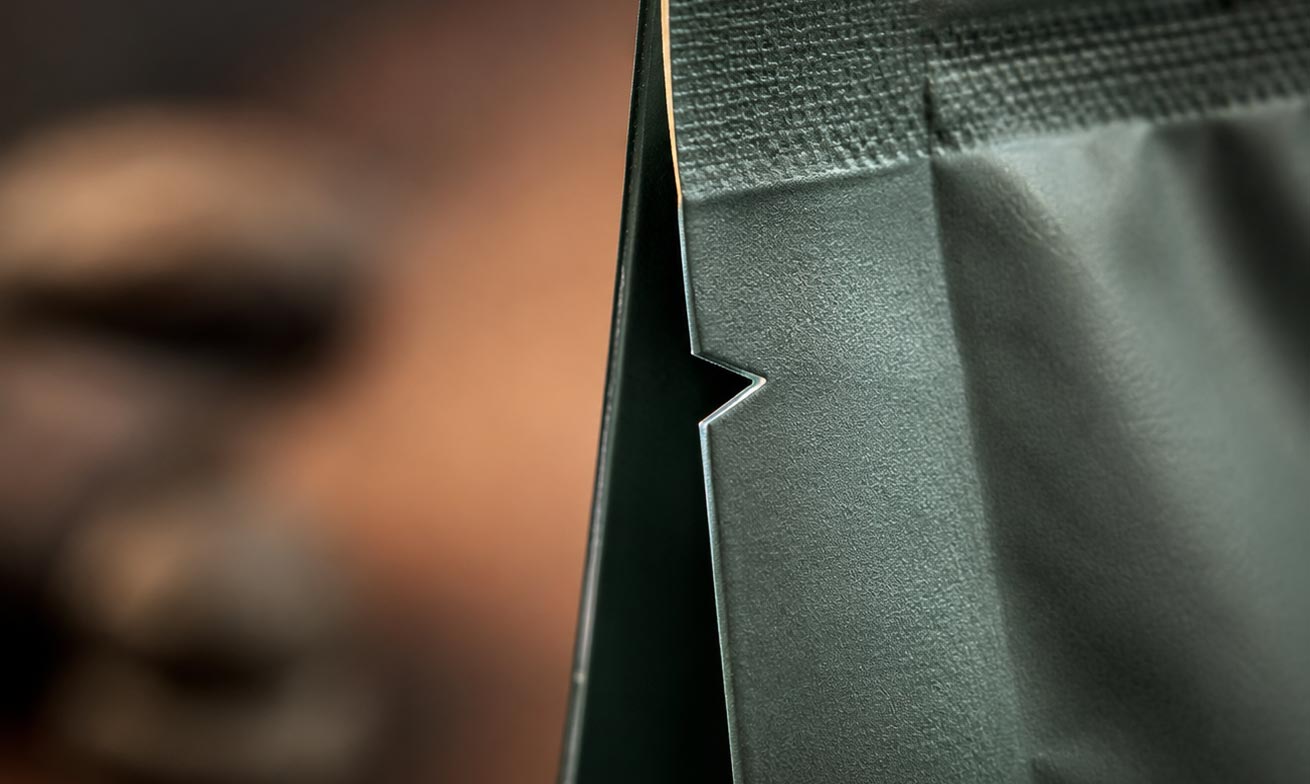
A tear notch is the small nick in the side seam that lets someone open the bag by hand instead of hunting for scissors. It closes nothing. We are including it here because it is the piece that decides whether your closure ever gets used properly.
A zippered bag with no tear notch invites the customer to cut the top off wherever they happen to cut. Cut too low and you have removed the zipper. Now the closure you paid for is in the bin and the bag is open for good. The notch puts the opening in the right place, above the track, every time.
That is the whole argument for tear notches, and it is why we treat notch and zipper as a pair rather than two separate options.
Not Every Shape Takes Every Closure
This is the constraint that surprises people. The bag style you picked for shelf presence may not accept the closure you had in mind.
On our stock range, the Stand Up Pouch and the Quad Seal Box Bottom both come with a resealable zipper. The Side Gusset does not. It is an open-top format designed to be filled fast and heat sealed, which is exactly why it dominates in wholesale sizes where nobody is resealing anything.
- A bag with a formed base and a flat front panel can carry a zipper without disturbing the print
- A side gusset is built around folded pleats, which is a harder place to run a track cleanly
- Custom runs open up more combinations than the stock range does, so ask before you assume a shape rules a closure out
- The
anatomy of the bag is worth understanding before you commit to either
If the closure matters more than the silhouette, choose the closure first and let it narrow the shapes. Most people do it the other way round and then find out.
How to Choose in Under a Minute
Ask one question: after the bag is opened, how long does the coffee sit in it?
If the answer is days, heat seal only. Put the money into the barrier film instead, because that is what protects the coffee for the months before it is opened, and our guide to
barrier materials covers what each one buys you.
If the answer is two to four weeks, which is most retail bags going home with a customer, a zipper earns its cost. Pair it with a tear notch.
If the answer is two to four weeks but the brand reads handmade rather than engineered, a tin tie does the same job with a different voice, and forgives a messy opening.
And if you are still unsure, order both as samples and open them. The closure is the one part of a coffee bag that the customer physically operates, over and over, long after the print has stopped doing any work. It is worth handling before you commit thirty thousand of them.