The same bag of coffee can end up in three very different places: stacked in a café's back room, fighting for attention on a grocery shelf, or sliding out of a mailer box on someone's kitchen counter. Each of those moments asks something different from your packaging. A bag that's perfect for one channel can be overbuilt — or underbuilt — for another. Here's how to think about wholesale, retail, and direct-to-consumer, and how the bag should flex for each.
Wholesale: Function First, Cost-Conscious
When you sell to cafés, offices, or other businesses, the buyer isn't a shopper browsing a shelf — it's an operator who already chose you. That changes the job of the bag. Shelf pop matters less; cost, size, and freshness matter more.
- Lean toward larger formats (2 lb and 5 lb) that fit how wholesale accounts actually use the coffee.
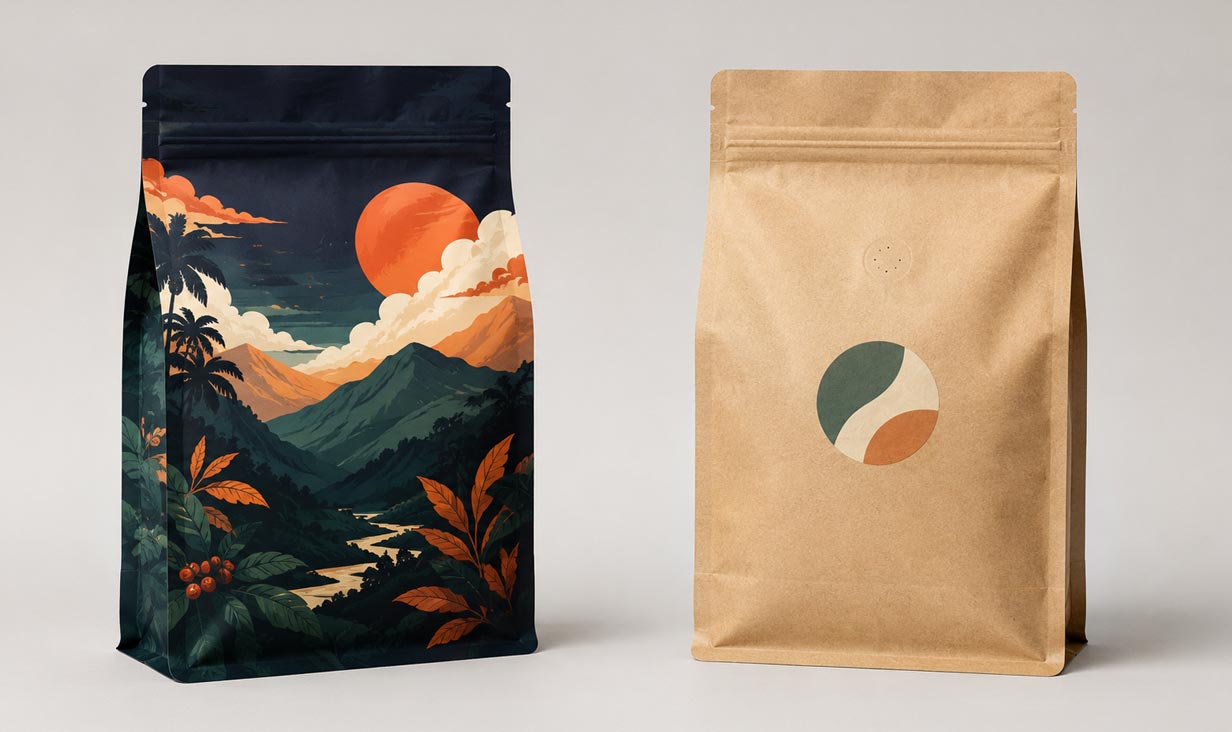
- A plain or simply labeled stock bag often does the job, keeping per-unit cost down.
- Prioritize a strong barrier and a valve so the coffee holds up in bulk.
Wholesale is where
stock bags and low-cost labeling shine — you don't need a full custom print run to serve a café account well.
Retail: Built to Win the Shelf
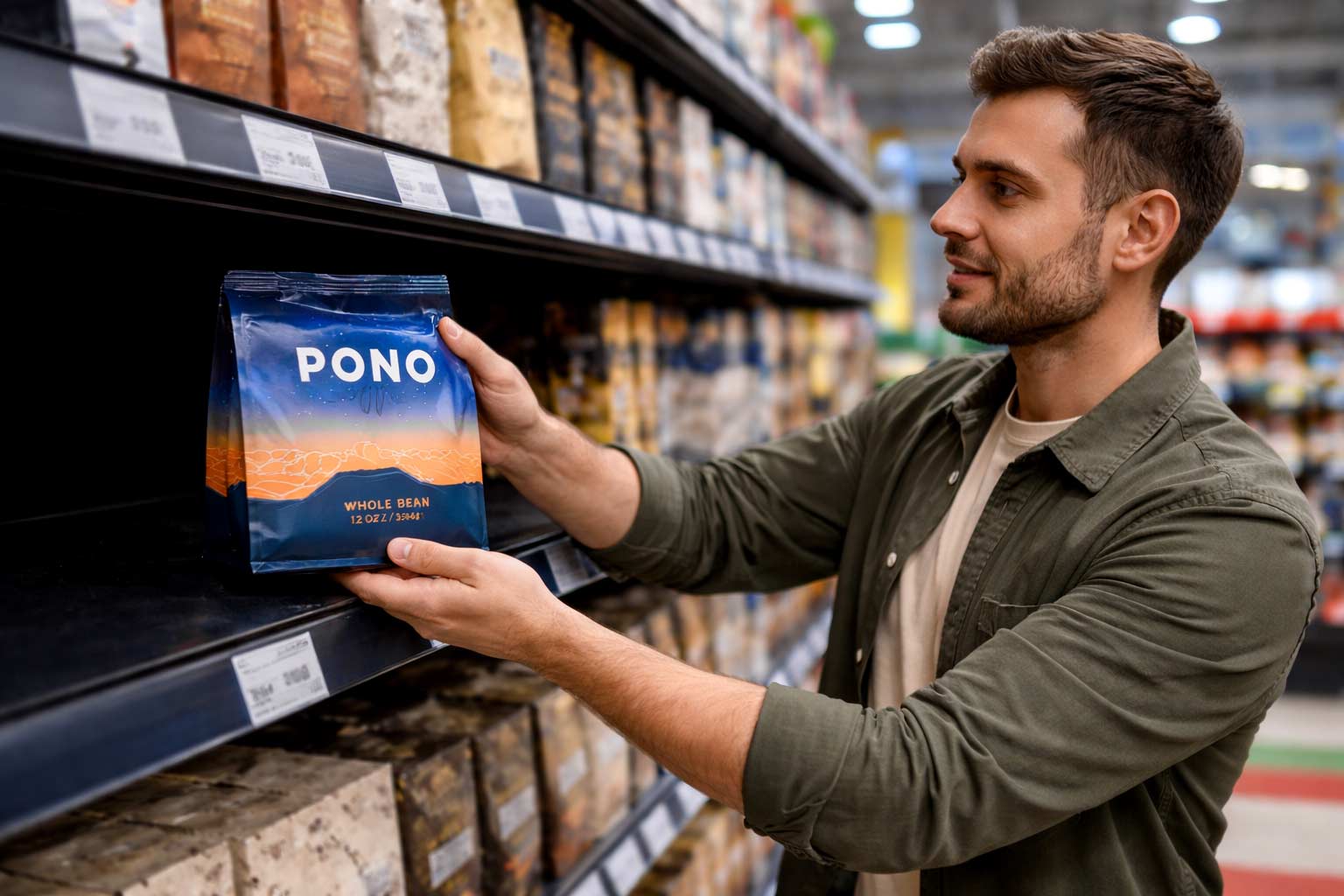
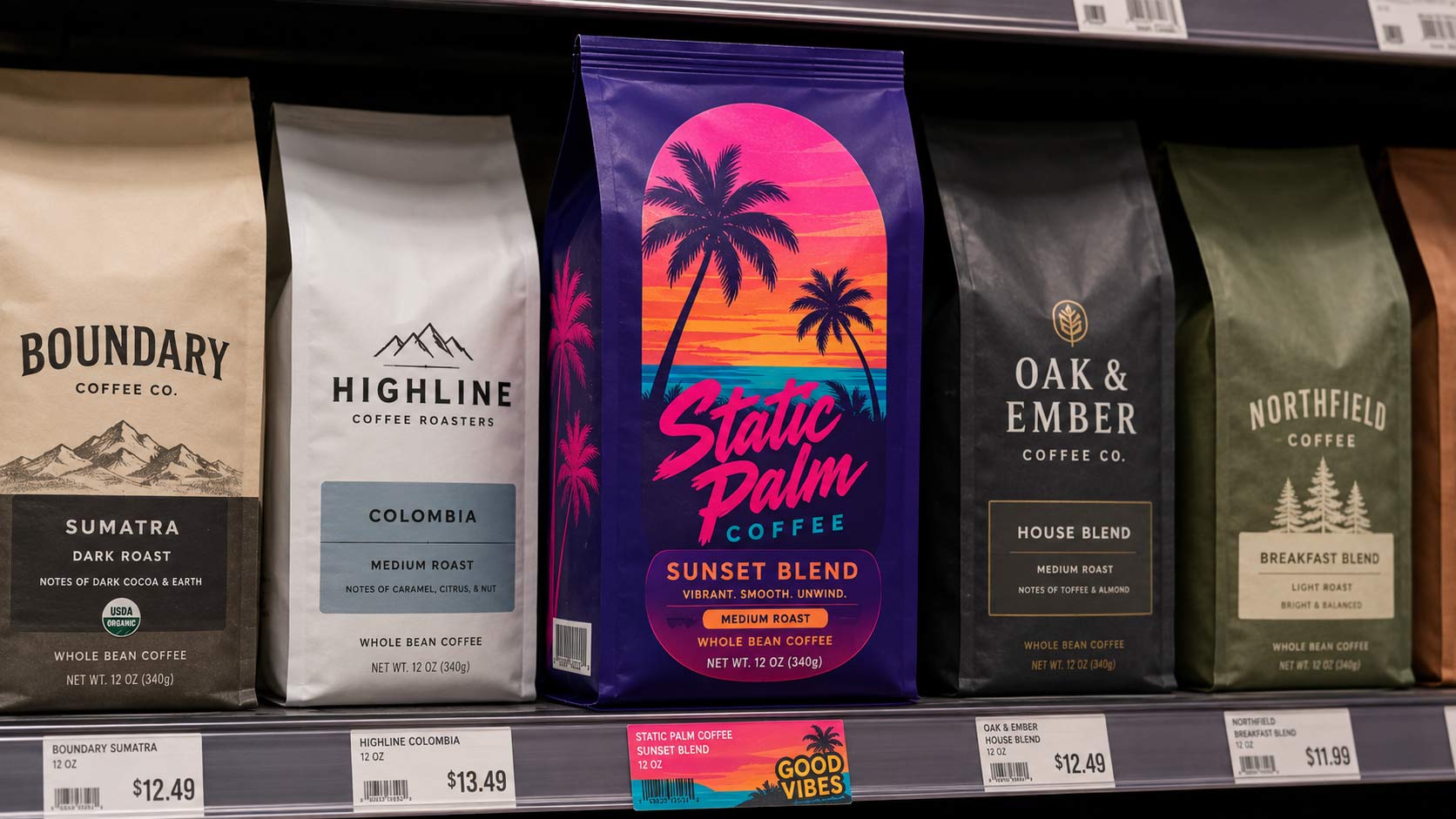
On a grocery or specialty shelf, your bag has about three seconds to stop someone. Here the bag has to sell itself, and it has to meet the rules retailers require.
- Design for standout: a bold front panel, clear brand, and type readable from a distance.
- Meet compliance: a scannable barcode, accurate net weight, and any required nutrition or legal copy.
- Stick to shelf-friendly sizes — 12 oz is the retail workhorse — so it merchandises cleanly.
Retail is the channel where a full custom print earns its keep: the bag is doing the work a salesperson would.
Direct-to-Consumer: The Bag Is the Experience
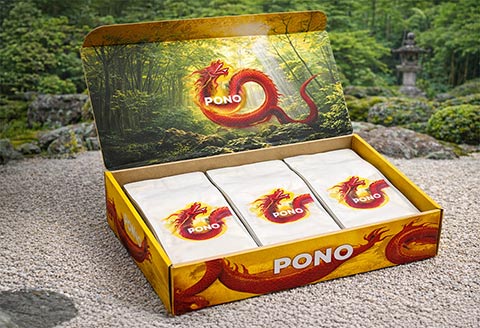
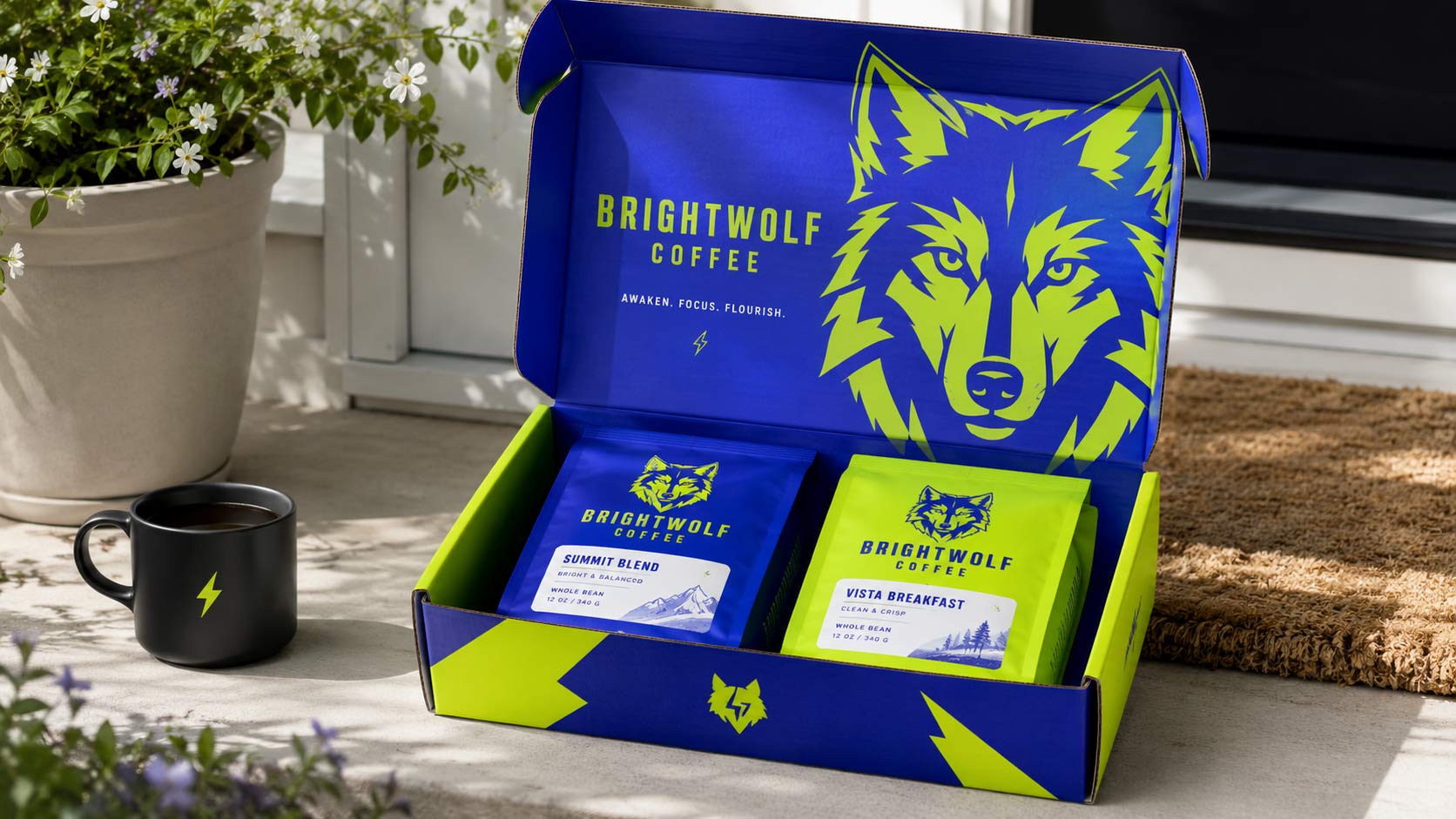
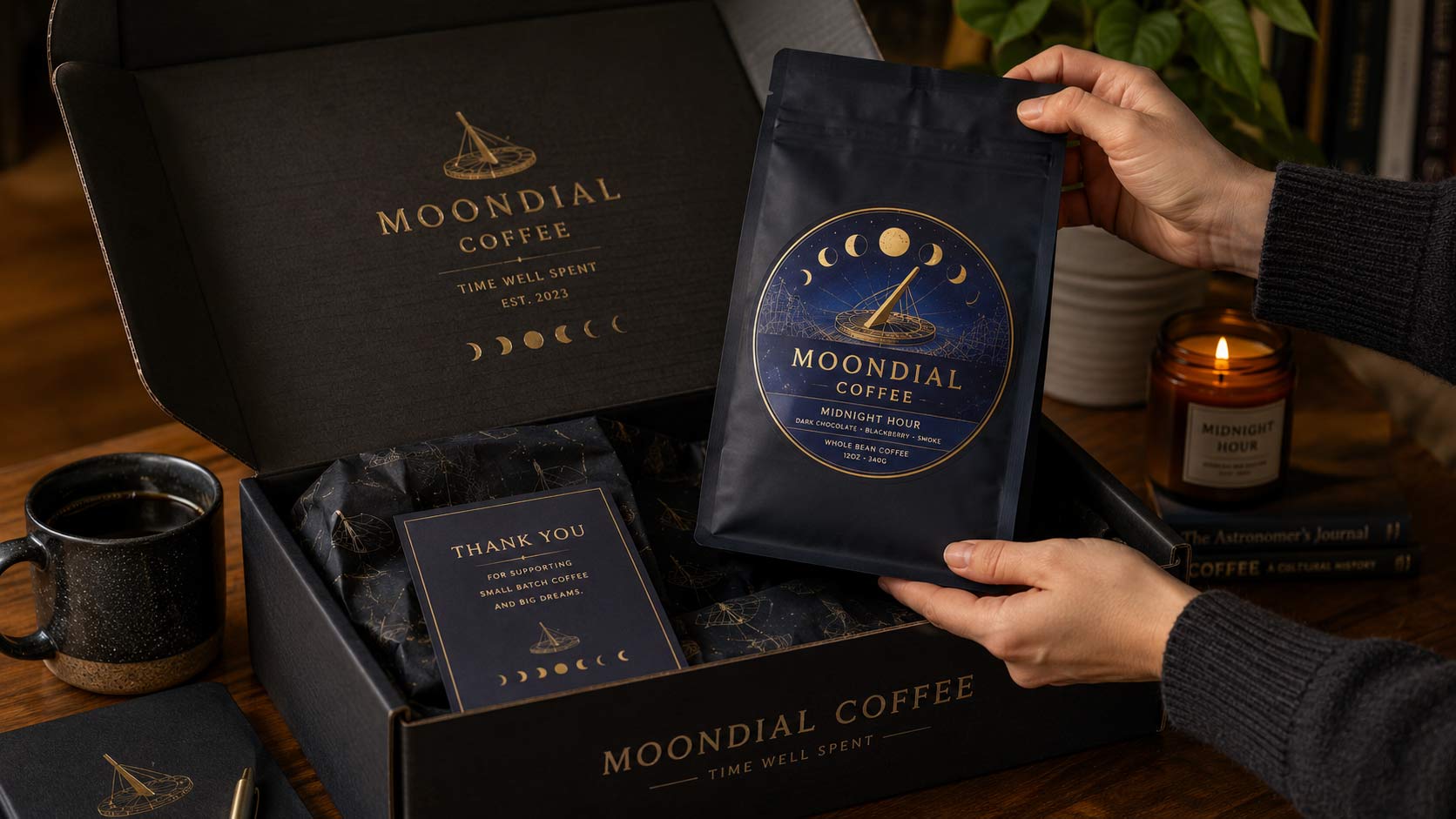
Online and subscription orders are one-to-one. There's no shelf to compete on, but there's an unboxing moment — and that's where a direct-to-consumer bag earns loyalty.
- Lean into story and finish: premium materials, tactile touches, and a brew guide on the back.
- Design for the trip — the bag ships inside a mailer box, so it should look great the second the box opens.
- Use the personal channel to go further; limited editions, names, or messages are easy with digital printing.
Direct-to-consumer is where the bag stops being a container and becomes the whole brand experience.
What Stays the Same Across Every Channel
Flexing the format doesn't mean three different brands. A few things should stay locked no matter where the bag lands.
- Brand identity — the same logo, colors, and voice, so a wholesale café customer recognizes you later on a retail shelf.
- Food-safe barrier and freshness — the coffee has to arrive great everywhere.
- Quality signal — even the plain wholesale bag should feel like it came from a brand that cares.
How to Plan Packaging for Multiple Channels
You don't have to choose one channel forever — you plan for the ones you're in.
- Map your sizes to channels: bulk for wholesale, 12 oz for retail, and your signature size for direct-to-consumer.
- Use low-minimum custom coffee bags from 500 units to make channel-specific runs affordable instead of one giant compromise order.
- Keep one master brand file and adapt the layout per channel rather than redesigning each time.
When you're ready to map your bags to your channels,
our team can help you plan the sizes, minimums, and artwork.
Meet Your Customer Where They Are
Wholesale wants function and value. Retail wants shelf presence and compliance. Direct-to-consumer wants an experience worth posting. The brands that grow across all three don't use one bag everywhere — they keep the identity consistent and let the format do the right job for each channel. Match the bag to the shelf it's landing on, and every channel pulls its weight.