What a Tri-Seal Pouch Actually Is
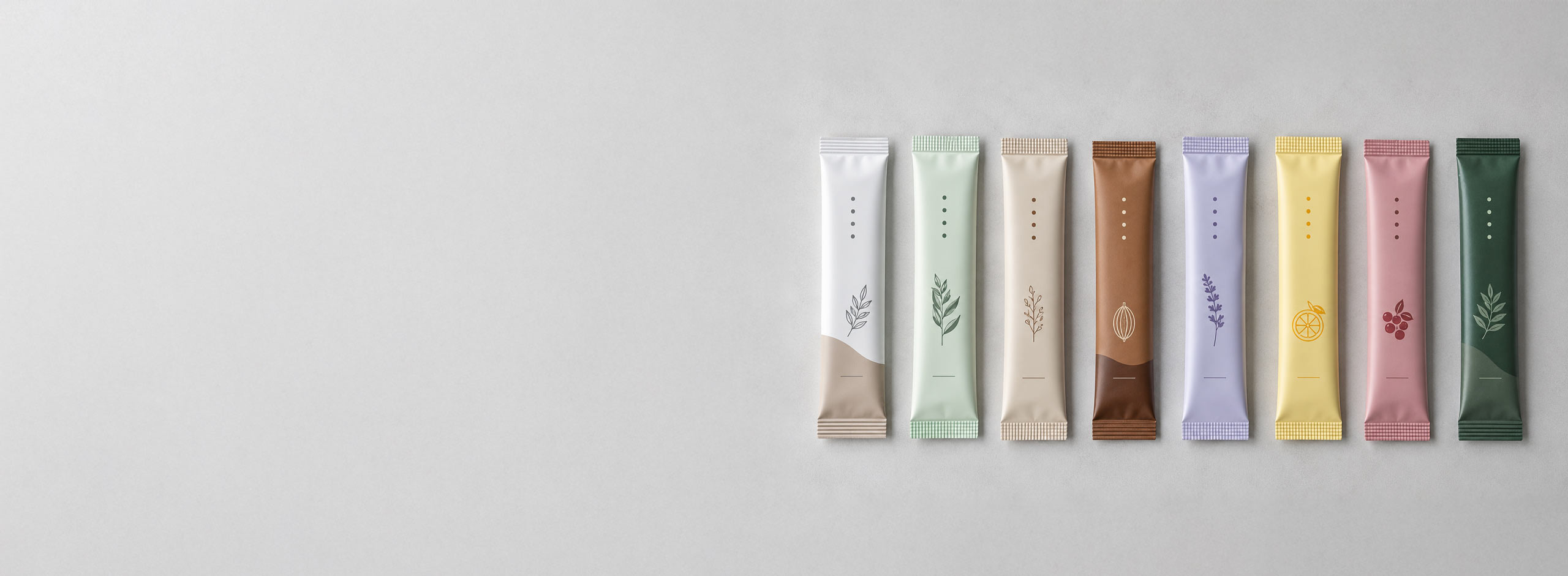
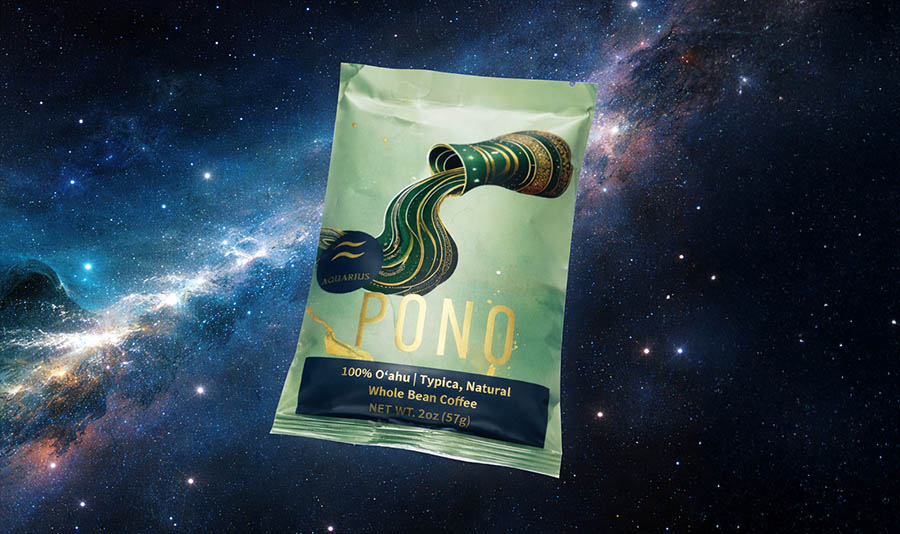
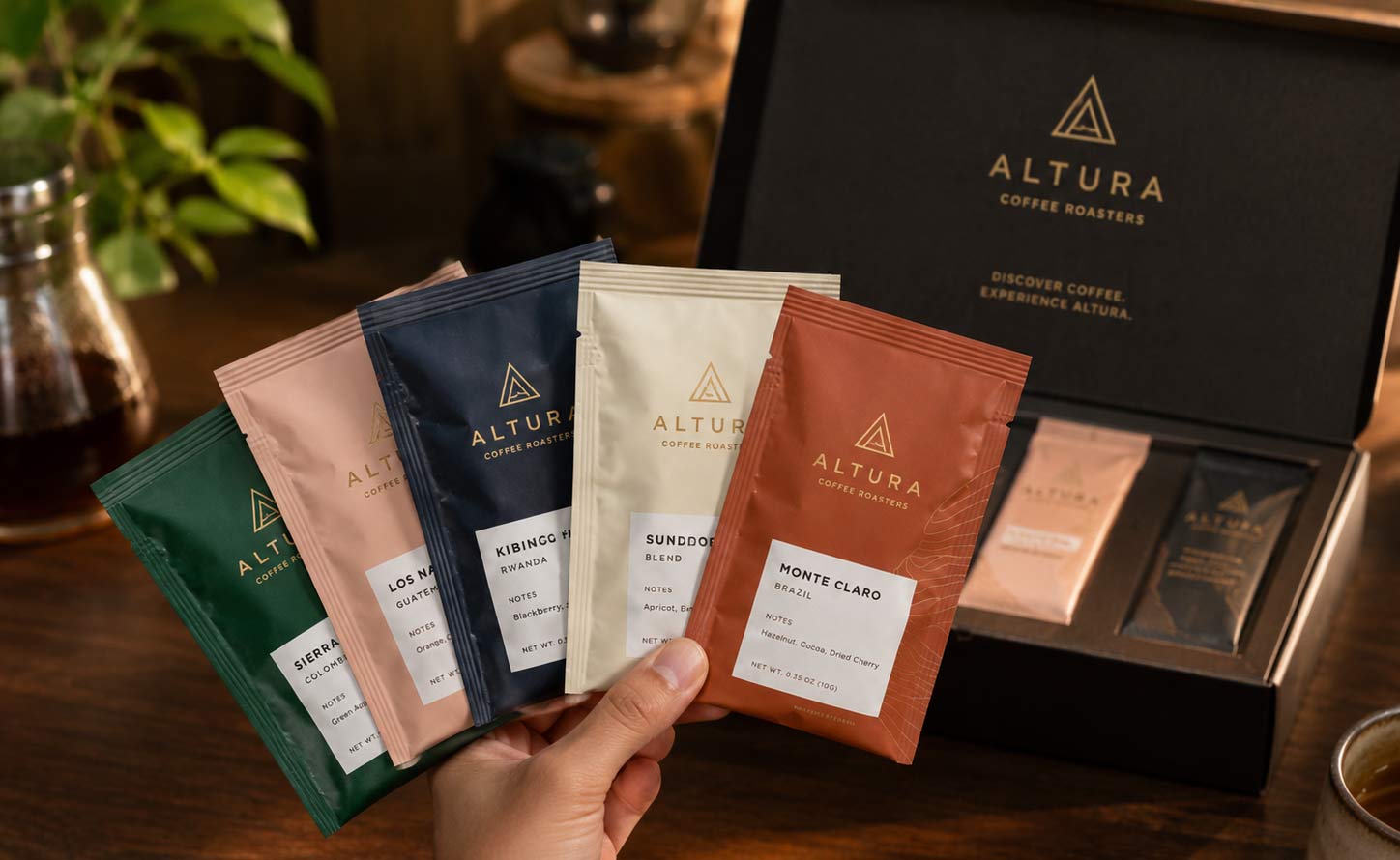
A tri-seal pouch is a flat bag sealed on three of its four sides, which is where the name comes from. The fourth side is left open for filling, then sealed shut once your coffee is inside. Because it is flat and simple, with no gusset and no base, it is one of the most affordable and lightweight bags you can order. Think of it as the little sample bag you have seen clipped to a shelf, tucked into a subscription box, or handed out at a coffee festival. It is small on purpose, built to hold a single taste rather than a full retail supply.
That simple shape is the whole point. A tri-seal pouch is not trying to stand on a shelf or store a pound of beans for months. It is trying to get your coffee into someone's hands cheaply, quickly, and fresh enough to make a great first impression. For that one job, nothing beats it.
Why Tri-Seal Is the Go-To Sample Bag
When roasters need to hand out a taste, the tri-seal pouch keeps winning for reasons that all come back to cost and convenience. It uses less material than a stand-up bag, so it is cheaper per unit, and it weighs almost nothing, which keeps shipping and mailing costs low. A flat pouch also stacks and stores in a tiny footprint, so a box of samples takes up next to no space.
- Low cost per bag, since a flat pouch uses less film than a stand-up pouch
- Lightweight and mailer friendly, which cuts shipping cost on sample sends
- Small footprint that stacks flat, so sample kits stay compact
- Right-sized fill for a single cup or a small taste, with no wasted space
For a brand watching every dollar, that combination is hard to argue with. You can put your coffee in a lot more hands for the same budget, which is exactly what sampling is supposed to do. If you are weighing sample formats side by side, our guide to
single use tea and coffee bags covers the neighbors worth comparing.
When to Reach for a Tri-Seal Pouch
A tri-seal pouch shines any time the goal is a first taste rather than a full sale. It is the workhorse of sampling, and it fits a handful of situations where getting coffee into someone's hands matters more than shelf presence.
- Sample kits and flights that let a customer try several roasts before committing
- Subscription first tastes, where a small pouch previews next month's beans
- Wholesale and cafe sampling, so a buyer can cup your coffee before ordering cases
- New release teasers that build buzz for a limited or seasonal roast
- Events and expos, where light, cheap, grab-and-go samples move fast
In every one of these, the tri-seal pouch does the same thing. It lowers the cost of saying yes to a taste, which raises the odds someone says yes to the full bag later. Pair it with a strong
custom coffee bags lineup and the sample becomes a direct on-ramp to your retail size.
Keeping a Small Sample Fresh
A common mistake is treating a sample like it does not need protection. It does. Coffee starts losing aroma the moment it is exposed to oxygen and light, and a weak sample that tastes flat does more harm than no sample at all. The good news is that a tri-seal pouch can be built from the same high-barrier films as a full-size bag, including foil or other strong barrier layers that block light, oxygen, and moisture. Samples are usually brewed soon after they are received, so they do not need to survive a year on a shelf. But they do need to taste like your coffee at its best on the day someone opens them. A quality barrier film handles that, and because the bags are small, upgrading the material adds very little to the total cost. Do not let a cheap film undo the good impression you are paying to make.
Design and Ordering Tips That Make Samples Work
A sample pouch has a small canvas, so the design has to work hard in a little space. Keep it bold and simple, lead with your logo and the roast name, and skip the clutter that a tiny bag cannot carry. The pouch is a teaser, not a full label, so its job is to look good in the hand and point the person toward your full-size bag.
- Keep the artwork bold and simple, since a small pouch has limited print space
- Put your name, roast, and a way to reorder front and center
- Order sample pouches in the same run as your main bags to save on setup
- Use digital printing for short sample runs, since it keeps minimums and setup costs low
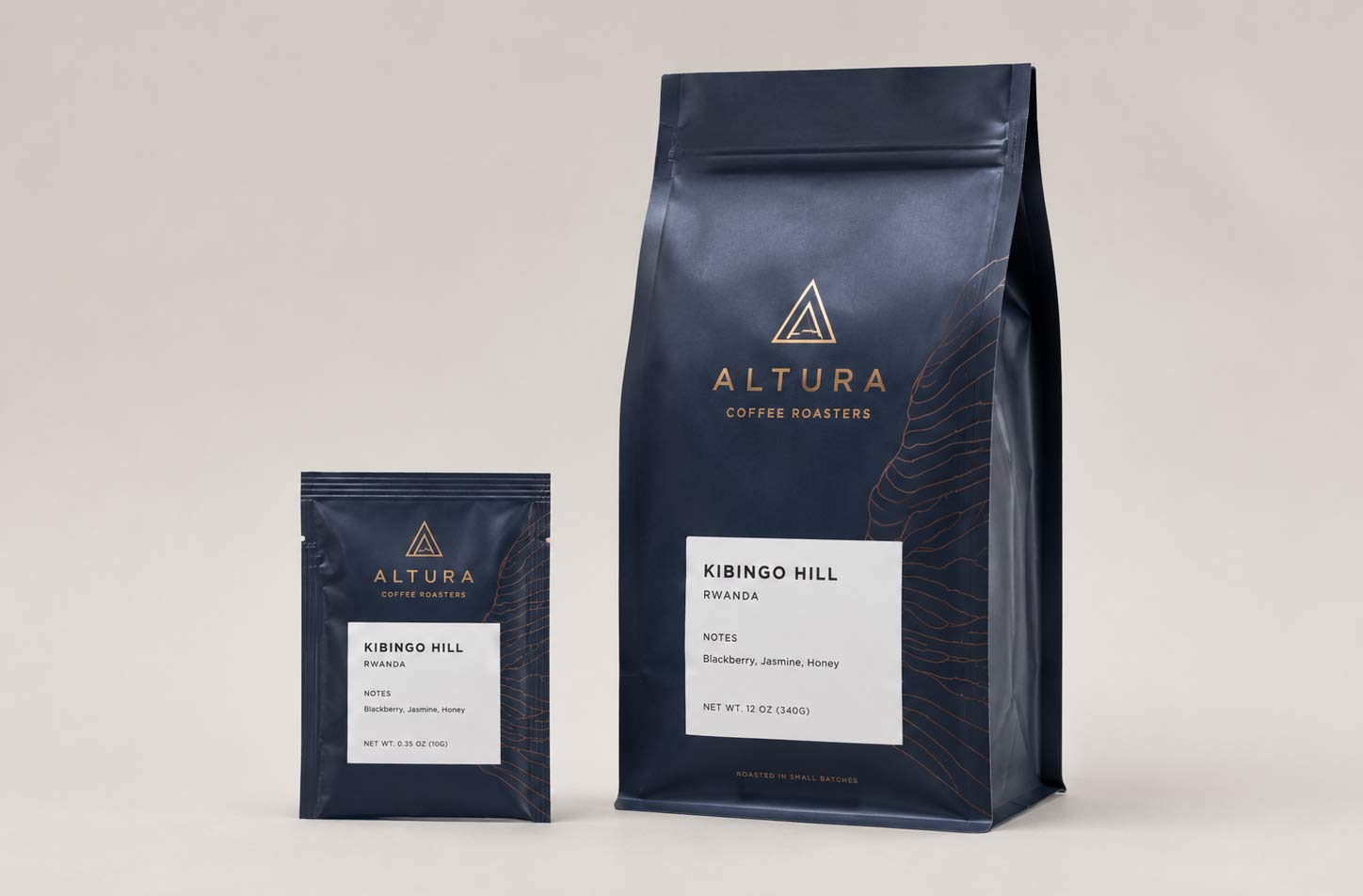
- Consider a matching look to your retail bag, so the sample and the full stand-up pouch feel like one brand
Done right, the sample and the shelf bag tell the same story at two sizes. The tri-seal pouch gets your coffee tasted, and the matching retail bag closes the sale when the customer comes back for more.
Small Bag, Big Job
The tri-seal pouch proves that the smallest bag in your lineup can do some of the heaviest lifting. It is cheap, light, and simple, which makes it the perfect way to get your coffee into new hands without blowing your budget. Protect the taste with a real barrier film, keep the design bold and on brand, and let the sample do what samples do best, which is turn a first taste into a lasting customer. When someone loves what is in that little pouch, the full-size bag sells itself.