The Number Moved
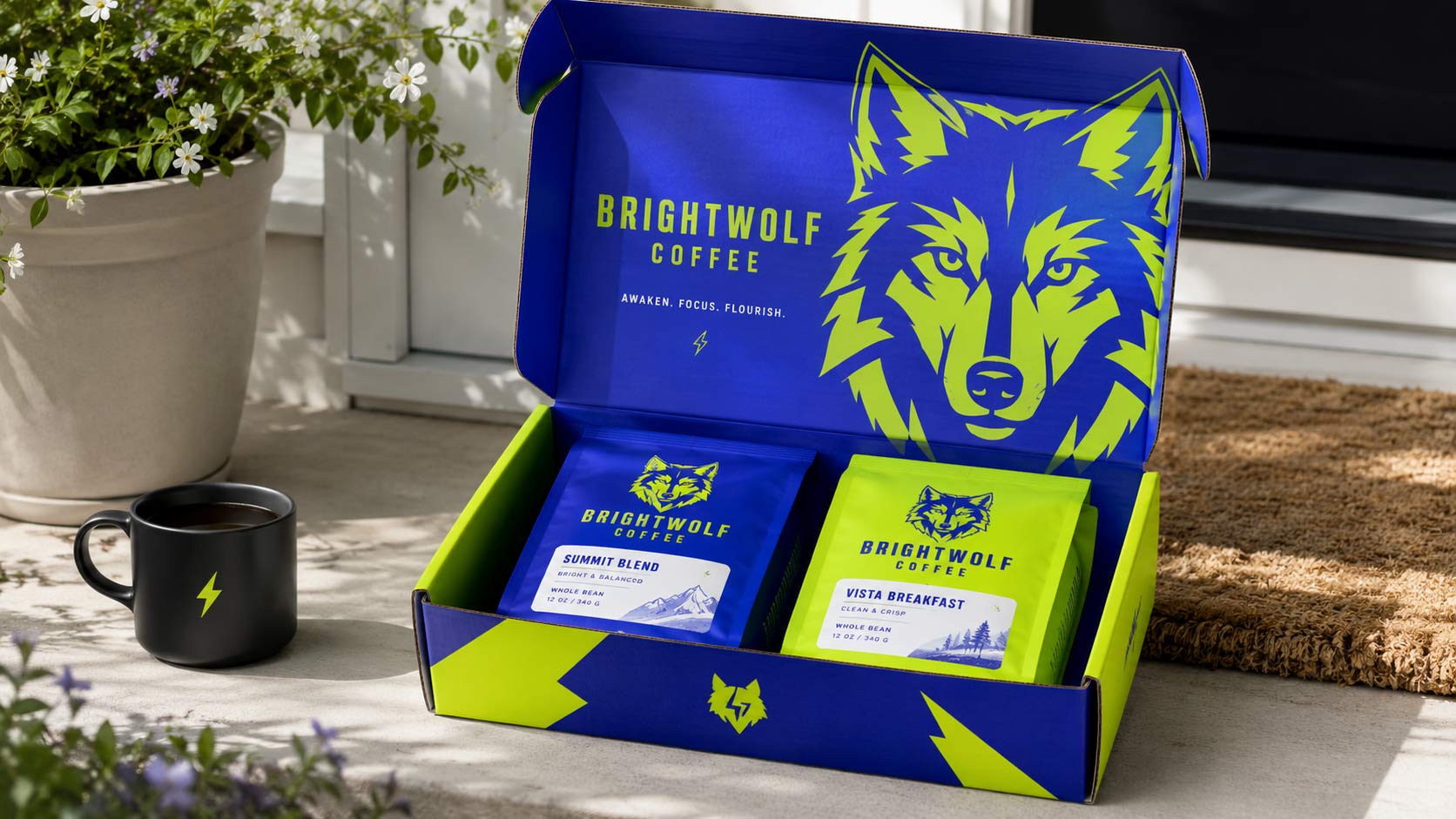
Custom printed boxes used to start at 1,000 units. They now start at 500.
If you have been pricing a custom box for a subscription launch, a gift set or a seasonal release and put it down because the first order was twice what you needed, the arithmetic has changed. Half the commitment, same box.
That is genuinely good news, and it comes with one condition that decides almost everything about how you should plan the order.
The 500 Is Per Design
This is the part people get wrong, and it is worth being blunt about it. The minimum is
500 per design, not 500 per order. A single 500 order cannot be split across two different boxes.
Two designs means two runs of 500, so 1,000 boxes. Three designs means 1,500. The number that changed was the floor for one design; it did not become a budget you can divide up.
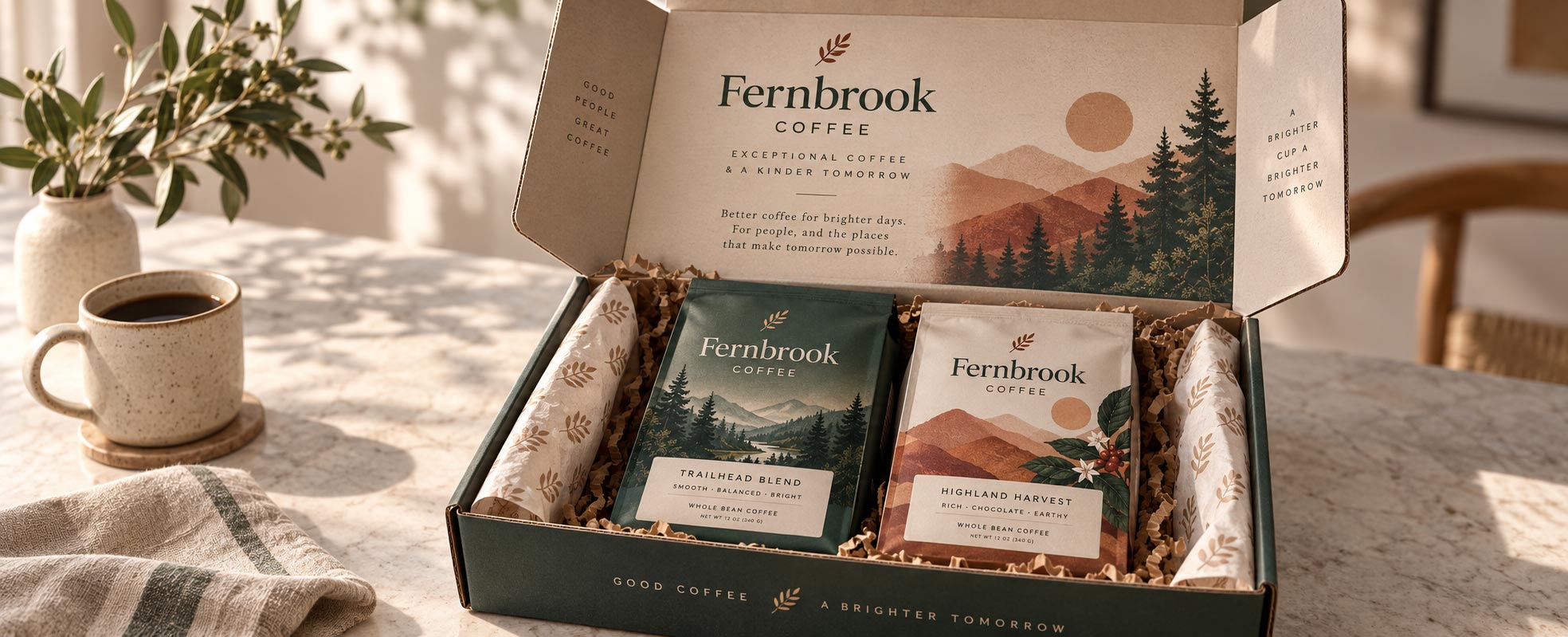
That catches people out most often on exactly the projects the lower minimum makes possible. A gift set with a light-roast box and a dark-roast box is two designs. A subscription box with a different sleeve for each of your first three months is three designs. Each one carries its own 500 and its own shelf space.
Why the Rule Works That Way
It is the same reason a bag has a per-design minimum, and it comes down to what a print run physically is.
Setting up a run is a fixed job. The press has to be prepared for that specific artwork, and that preparation costs the same whether it produces 200 boxes or 2,000. Below a certain quantity the setup is a larger share of the job than the boxes are, and the price per box stops making sense for everybody.
So the minimum is not an arbitrary gate. It is the point at which one design's setup spreads thinly enough to be worth doing. Ask a run to carry two designs and you are asking for two setups, which is two minimums. Our breakdown of
coffee packaging minimum order quantity walks through the same logic on the bag side, where the tiers are 500 for digital and around 10,000 for rotogravure.
There is a sharper version of this trap on plated processes, where combining designs into one run physically locks them together at reorder. We covered that in
sharing a roll stock run across designs, and the lesson carries: reaching a minimum by combining designs is almost always the wrong way to reach it.
What 500 Actually Unlocks
The drop from 1,000 matters most for the orders that were previously just out of reach:
- A subscription launch. 500 is a realistic first cohort. 1,000 was a bet on growth you had not made yet.
- Seasonal and limited runs. A holiday box you sell for six weeks does not want a year of inventory attached to it.
- Gift sets and bundles. These sell in bursts, and the burst is rarely 1,000 units in the first year.
- Testing a retail-ready presentation. You can now find out whether a boxed product moves before committing to the volume that assumes it does.
The common thread is that 500 turns the box from a commitment into a test. That is a different kind of decision, and it is the reason the change matters more than the price line suggests.
Belly Bands Are Still 1,000
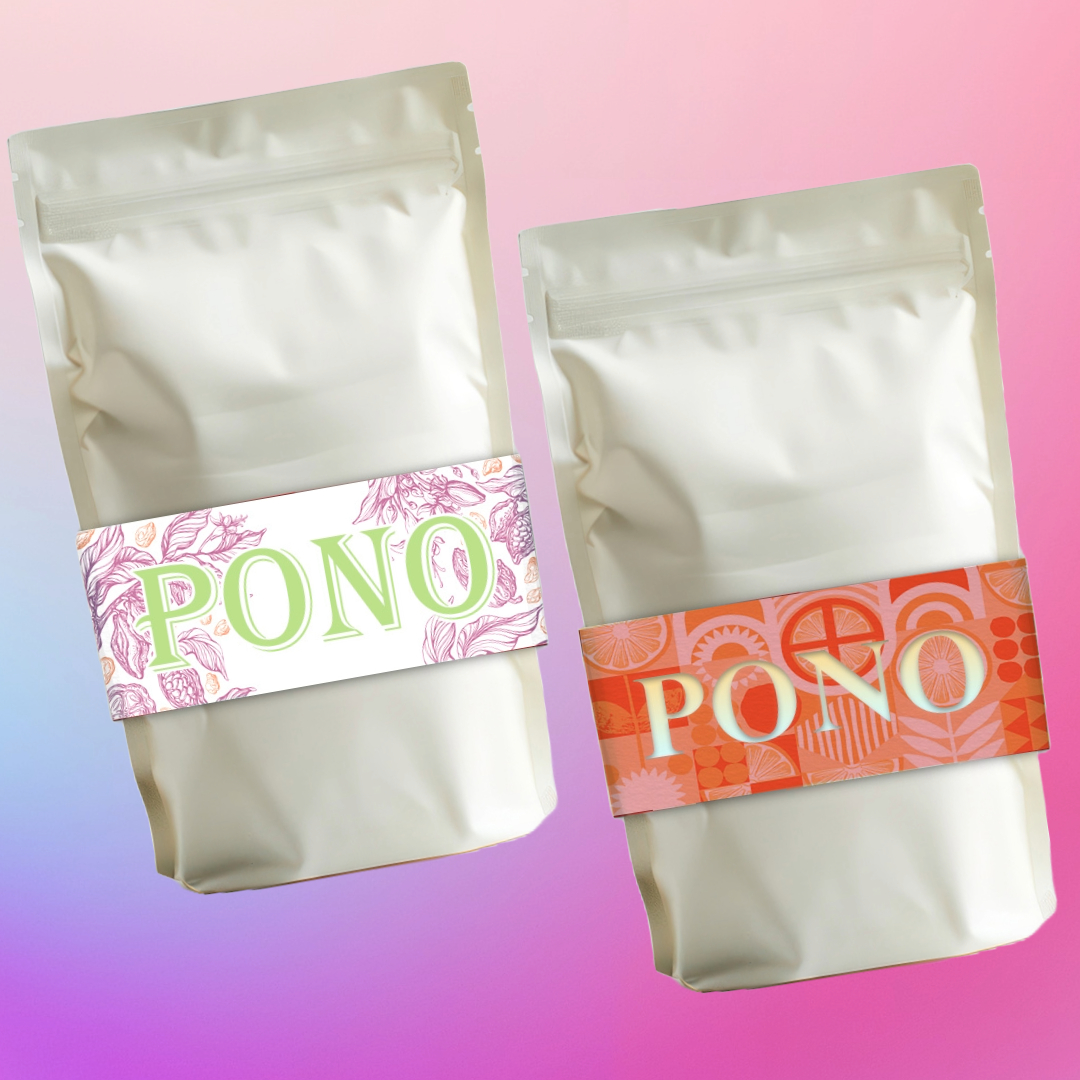
One thing did not move, and it surprises people because it feels like it should be the cheaper option. Printed belly bands still carry a minimum of 1,000.
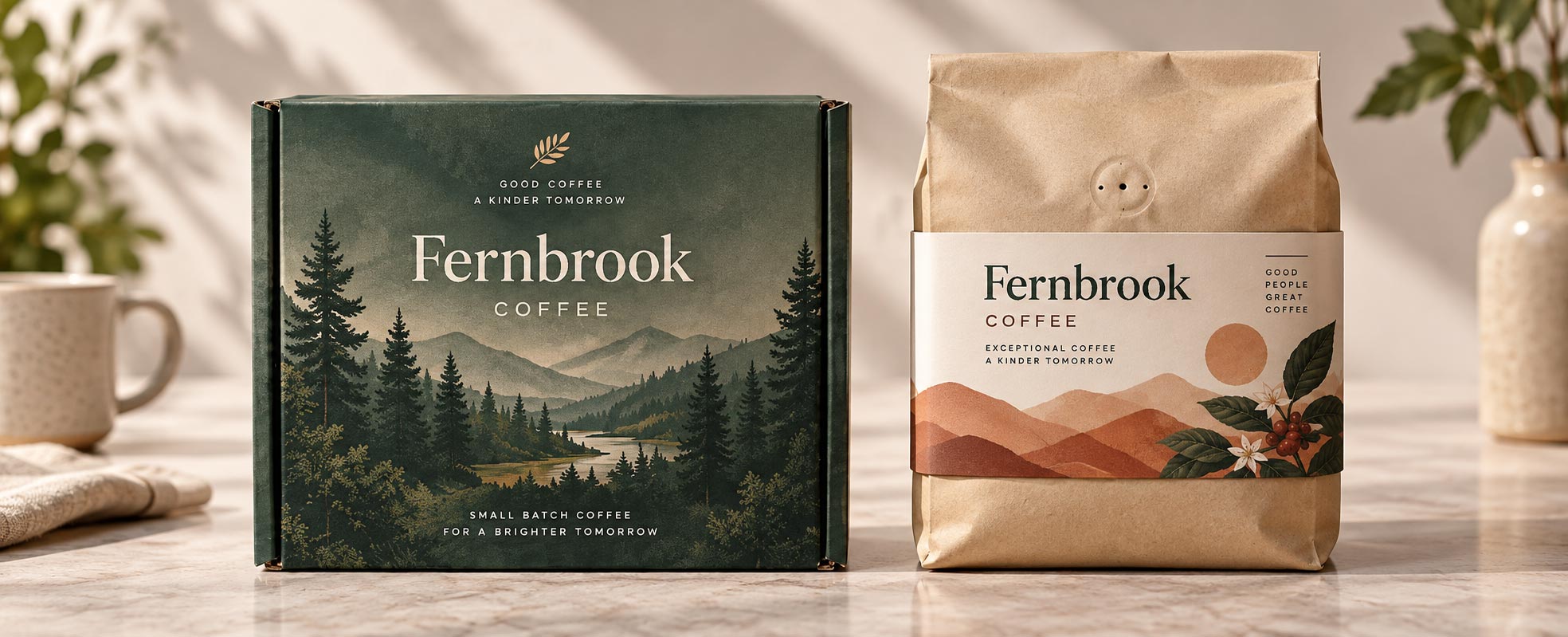
That is not a contradiction, it is a different product on a different press. A belly band is a printed paper wrap that goes around a bag or a box, produced in long continuous runs where 1,000 is the sensible floor. A box is a die-cut, folded, structural object. They share nothing but the fact that you print on them.
So if you are choosing between them on minimum alone, the box is now the lower commitment, which reverses what most people assume. Our post on
customizing stock bags with belly bands covers where a band still wins, and it often does, just not on quantity.
How to Plan the Order
Three questions, in this order:
- How many designs do you actually need? Not how many you would like. Every design you add is another 500 you have to sell. If two products can share one box with the difference carried on a label, that is one design, not two.
- Can you sell 500 of each within a reasonable window? A box sitting flat in storage is cheaper to hold than a filled bag, but it is still money in cardboard.
- Does the box need to be custom at all? If the answer is mostly about protection in transit rather than presentation, a stock mailer may do the job for less.
Lower Floor, Same Rule
The headline is simple. Custom boxes are half the entry point they were, which puts a properly branded unboxing within reach of a lot of roasters it was not built for before.
The rule underneath it has not changed at all. Minimums are counted per design, and the fastest way to turn a 500 order into a 1,500 order is to decide you need three versions of it. Plan the designs first and the quantity second.
If you are working out how many designs your launch really needs, or whether a box or a band fits better,
talk to our team and we will run the numbers with you before anything goes to print.