Will Two 12 oz Coffee Bags Fit in One Box?
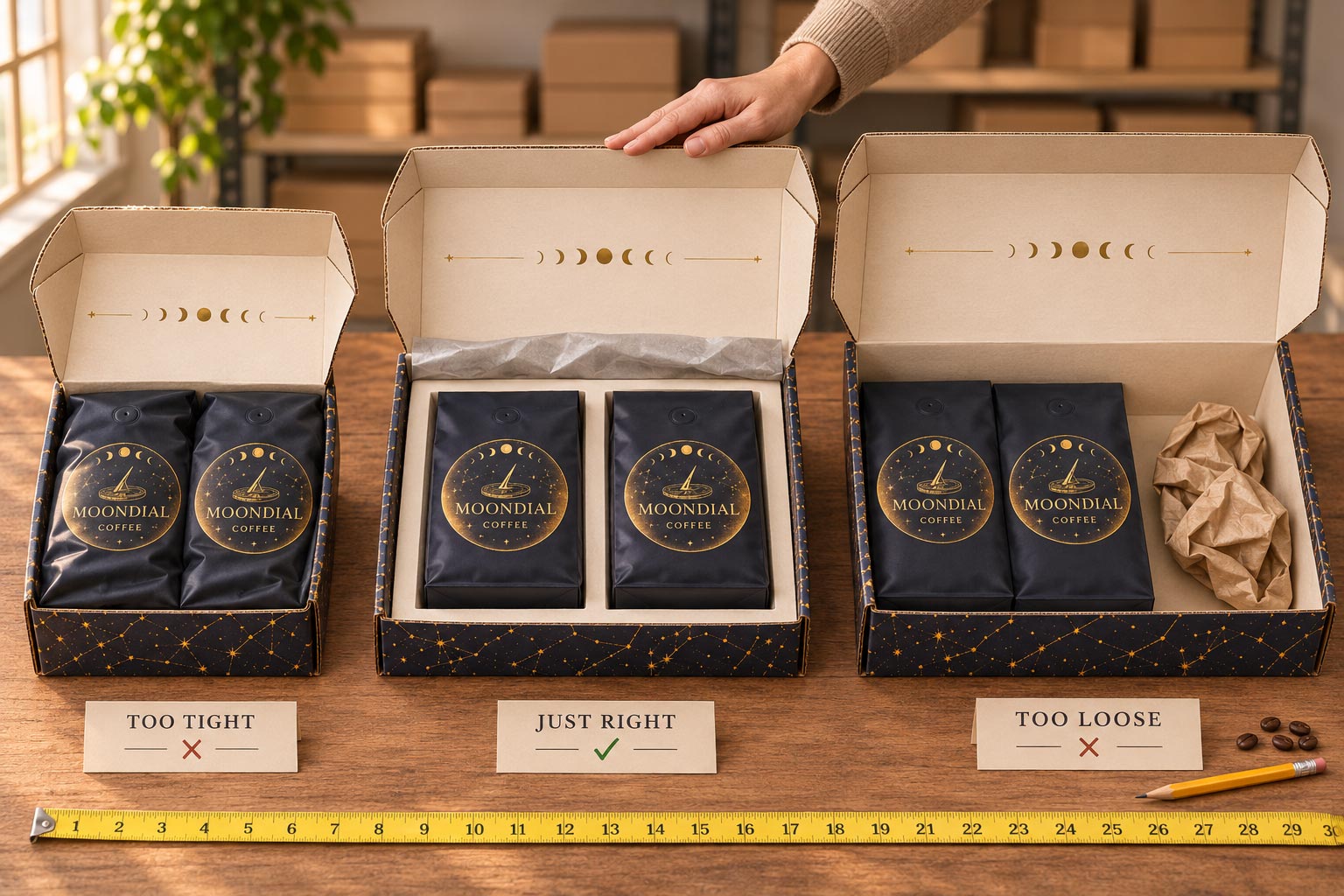
Usually, yes. Two 12 oz bags laid flat side by side tend to fit in a box with an inside space of roughly 12 by 9 by 4 inches, with a little room left for an insert or a sheet of tissue. But "usually" is doing a lot of work in that sentence. Whether your two bags fit depends on the size of your bag once it is full of coffee, how you want the bags to sit in the box, and whether the box size you were given is measured on the inside or the outside.
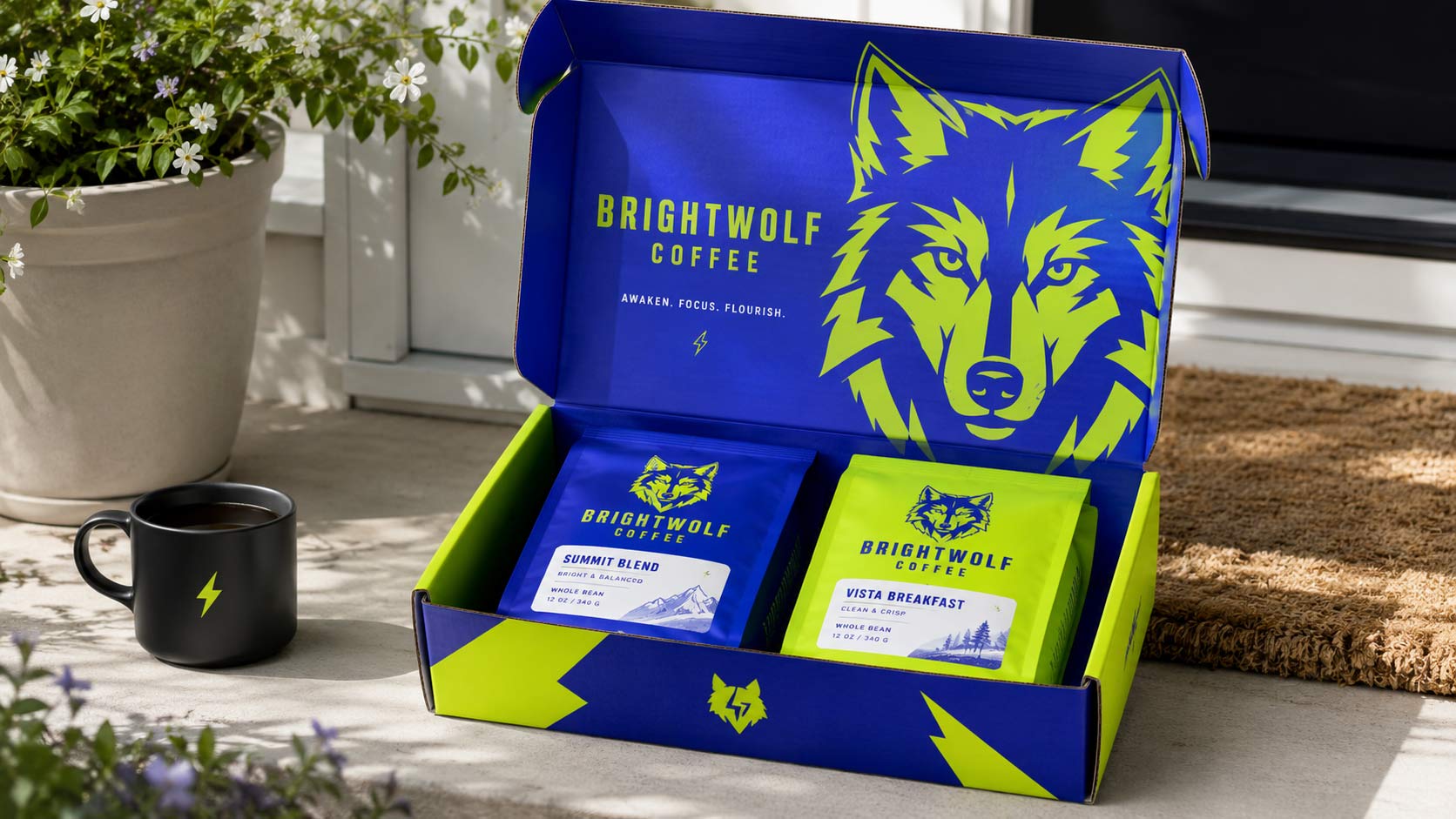
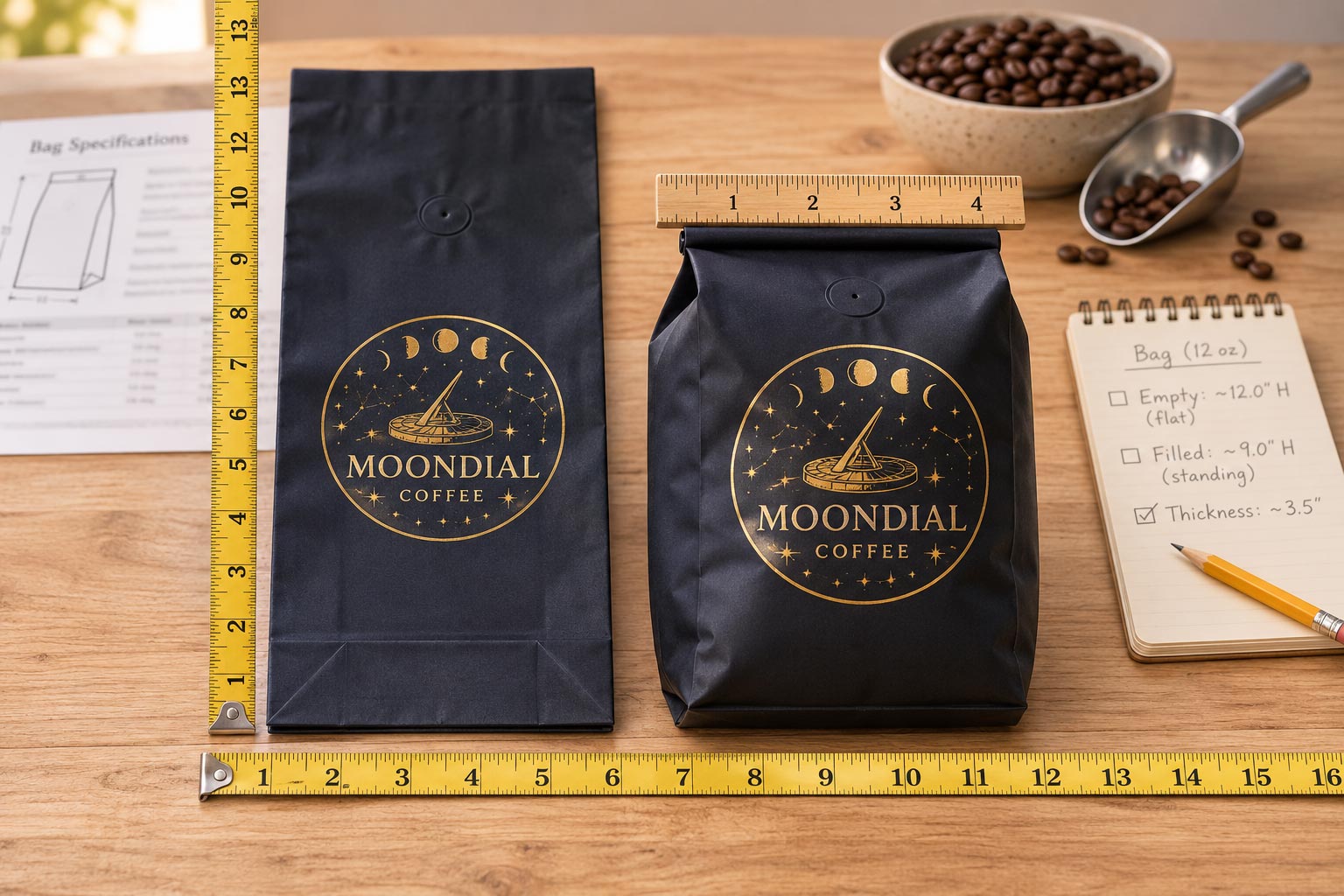
Here is a real example. Our own 12 oz quad seal box bottom bag is listed at 127 by 200 by 80 mm, which is about 5 by 7.9 by 3.1 inches. Lay two of them down side by side and they take up about 10 by 7.9 inches of floor and stand about 3.1 inches tall. That leaves room to spare in a 12 by 9 by 4 inch inside space. Stand the same two bags up instead and you need a very different box: narrow, deep front to back, and nearly 8 inches tall. Same coffee, same bags, two completely different boxes.
Why Does a Bag That Measured Fine Not Fit the Box?
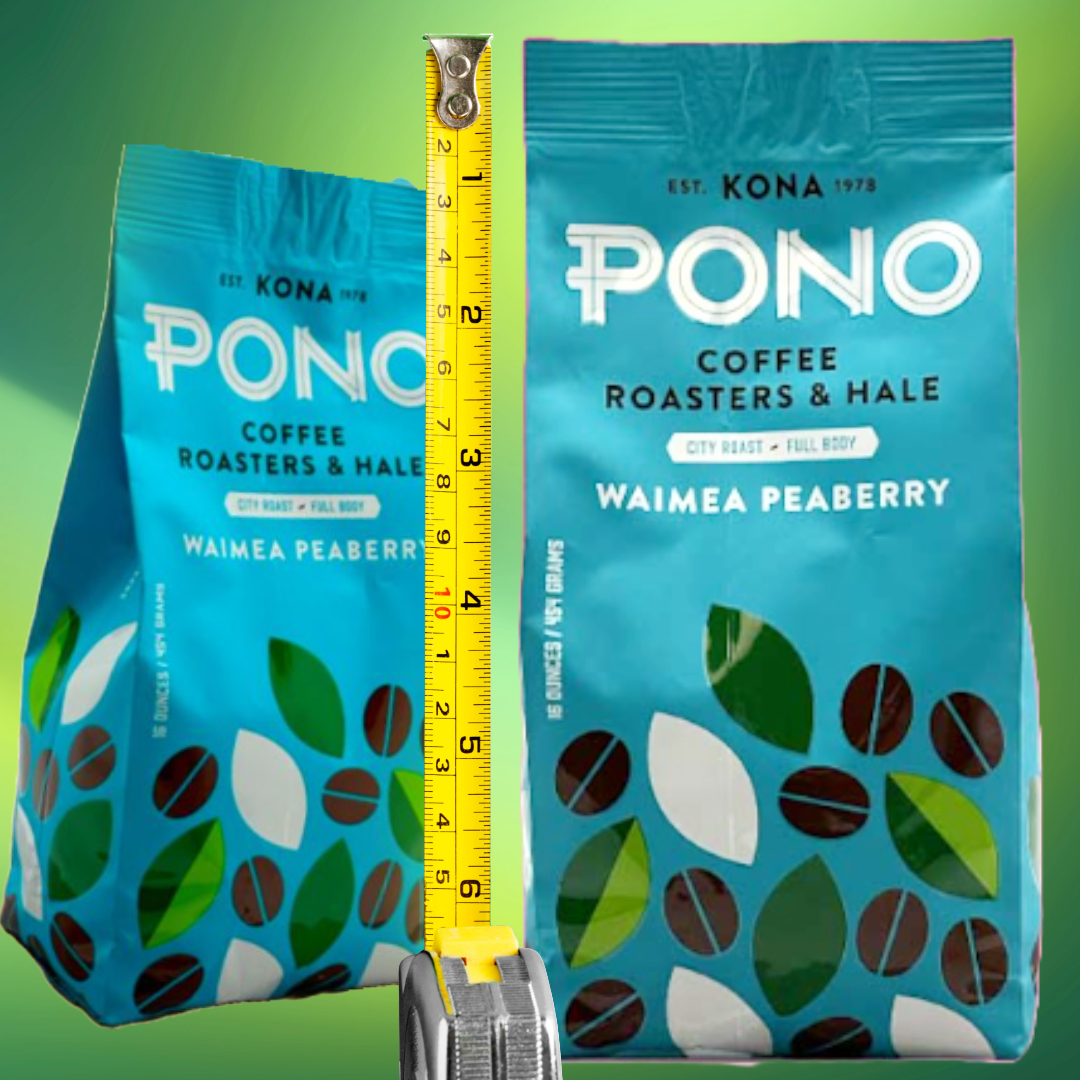
Because the listed size of a bag describes the bag as it was made, not the bag as it ships. When you fill a bag with coffee, it rounds out. The front and back panels bulge past the listed width, the gussets push out, and once the top is sealed or folded over, the bag is shorter than the height on the spec sheet. Whole bean coffee fills a bag differently than ground coffee, so the same bag can come out a little fatter or a little flatter depending on what goes in it.
So a roaster measures an empty bag, orders a box to match, and the filled bags will not go in, or they go in so tightly that the lid bulges. It looks like the box was made wrong. In most cases the box is exactly the size that was ordered. It was just sized around the wrong bag.
Inside Size or Outside Size?
A box has two sizes. The inside size is the space your product actually gets. The outside size is what the box measures from one outer wall to the other, and it is the number that matters for shipping and storage. The difference between them is the thickness of the walls, and that depends on what the box is made of.
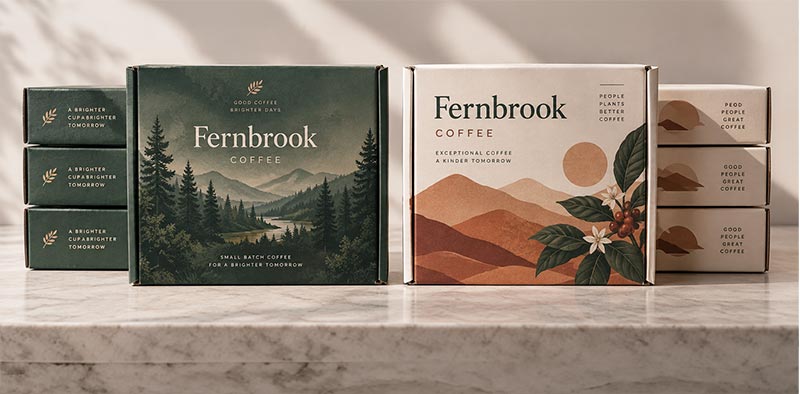
- Folding carton. One sheet of printed paperboard, like a retail cereal or tea box. The walls are thin, so inside and outside sizes are close.
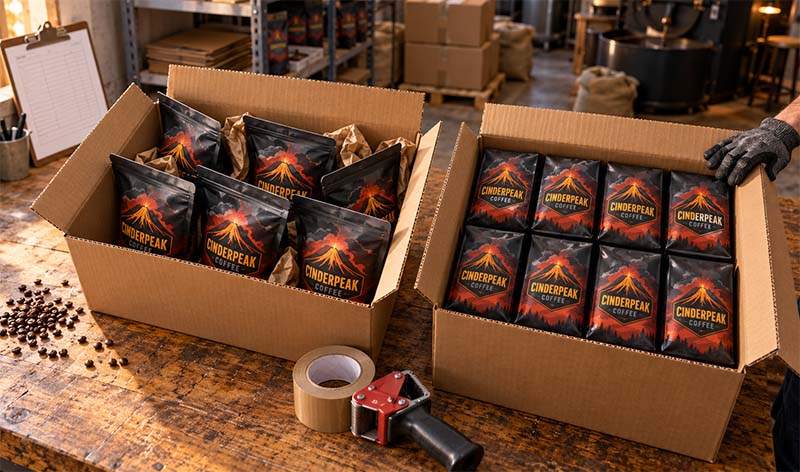
- Corrugated. A wavy middle layer glued between two flat sheets, the material most mailers and shipping boxes use. The walls are thicker, and some mailer designs fold the side walls over to make them double, so the inside can be noticeably smaller than the outside.
- Rigid. Thick chipboard wrapped in printed paper, the heavy gift box style. The walls are the thickest of the three, so an outside size can hide a surprisingly small inside.
Rigid boxes usually ship already set up, which is part of why they feel so solid. It also means a pallet holds far fewer of them and they take up real space in your stockroom. A collapsible rigid box is the workaround: its walls are hinged so the box folds flat for shipping and storage, then gets opened and set up by hand when it is packed, often held in shape by magnets or a fold-out base. It keeps the heavy, premium feel of a rigid box while taking up much less room until you need it.
When someone gives you a box size, ask which one it is. When you give a box maker your numbers, say which one you mean.
What Box Sizes Do Coffee Brands Usually Start With?
There is no official standard for box sizes. Every box maker publishes its own list. Still, a few sizes come up again and again for coffee, and they make good starting points for a conversation:
- One 12 oz bag: mailers around 9 by 6 by 4 inches are a common choice for subscriptions and single bag orders.
- Two 12 oz bags: mailers around 12 by 9 by 4 inches, with the bags lying flat side by side.
- Two bag gift sets: retail coffee gift boxes for two bags often land somewhere around 11 by 8.5 by 3.5 inches, and taller boxes add room for a mug or a brewing tool.
- Samplers: three or four small bags, drip bags or sample pouches usually call for a shallow box with dividers or an insert to keep each piece in its place.
Treat these as a place to start, not a promise. Your bag, your fill and your layout decide the final size.
How Do I Size a Box Around My Own Bag?
The fix is simple, and it takes about ten minutes.
Fill and seal a real bag. Use your actual coffee, filled to your actual weight, and seal or fold the top the way you will at the filling table. Measure that bag, not an empty one and not the spec sheet.
Measure at the fullest point. Lay the filled bag on a table and measure its length, width and thickness where it bulges the most. A tape measure works, and a ruler laid across the top of the bag makes the thickness easier to read.
Decide how the bags will sit. Flat side by side, standing up, or stacked on top of each other each need a different box. Think about the moment the box is opened. Bags that are standing up with the labels facing the customer make a very different first impression than bags lying face down.
Leave room for anything else. An insert, a divider, tissue paper, a brew card or a mug all need space. Add it before you choose a box, not after the boxes arrive.
Say inside or outside. Give your measurements as the inside size you need, and say so. The box maker then works out the outside size from the board.
- Measure a filled, sealed bag, not an empty one.
- Measure where the bag bulges the most.
- Choose flat, standing or stacked before you choose a box.
- Leave room for inserts, tissue and extras.
- Always say whether a size is inside or outside.
For shipping boxes, too much room is its own problem: bags slide, corners dent and you pay to ship air. Our post on
custom mailer boxes for shipping coffee covers right sizing and void fill.
How the Savor Box Builder Helps You Get the Fit Right
We built our online
custom box builder around the question every roaster asks first: what goes in the box? It starts by asking what you are packaging, so the conversation begins with your product, not with a box size.
From there you pick a box style, and the size options fill in for that style, each with a short note on what it is good for, such as one coffee bag or two bags and a gift set. Those sizes are typical starting points, and we confirm the exact dimensions with you before anything is made. If none of them fits your product, the Need Custom Size option sends you straight to us, and we size the box around what you are actually shipping.
Not sure where to start at all? The builder's "Not sure which box fits?" section takes the exact questions roasters ask us, like "Will two 12 oz bags fit?", "Do I need an insert?" and "Corrugated or rigid?", and points you toward an answer. You can also add an insert or dividers so the bags stay where you put them and the box opens to a clean, deliberate reveal instead of a pile.
The goal is simple: you choose the result you want, whether that is two bags side by side in a gift box or a single bag in a subscription mailer, and we help you land on the box that gets you there.
How Savor Brands Handles It
A box that fits is the difference between a gift that looks planned and one that rattles. So we start with your product, not with a size chart.
- We spec the box around your product. Tell us what goes in, or send a filled bag or its measurements, and we work out the structure, the board and the insert around it.
- We match the board to the job. Board grade and flute are confirmed at quote, based on the box style and how the box will travel.
- Inserts and windows are planned per box. Every structure is different, so inserts and windows are quoted for your box, not added from a generic list.
- We start at 500. Our custom coffee boxes start at 500 per design, so you can size a gift box for one launch without stocking thousands. Our post on why 500 is per design explains how that works with more than one box.
- We plan the timeline with you. Boxes arrive about 9 to 12 weeks after artwork approval, so we size and approve early enough for your gift season.
Pair the box with
custom coffee bags designed to match, and the whole set opens as one brand. Tell us what you are shipping and how you want it to look when the lid comes off, and we will help you get the fit right the first time.
Two Bags, One Box, No Rattle
Two 12 oz coffee bags usually fit in a box around 12 by 9 by 4 inches inside when they lie flat side by side, but your bag, your fill and your layout decide the real answer. A filled bag is thicker and shorter than its spec sheet, and a box has an inside size and an outside size that can differ by more than you expect, especially in corrugated and rigid board. Measure a filled, sealed bag at its fullest point, choose how the bags will sit, leave room for an insert, and say whether your numbers are inside or outside. Then use the box builder to pick a style and a starting size, or ask us for a custom one, and the box will arrive ready to hold exactly what you planned. For more on choosing the bag itself, see our guide to
picking your coffee bag dimensions.