Your Coffee Bag Runs on Two Clocks, Not One
Every coffee bag has two lifespans, and most roasters only think about one. The first is your product shelf life, which is how long the coffee inside stays fresh. The second is the bag material life, which is how long the packaging itself holds up before the material begins to break down. For most bags the second clock does not matter, because the material effectively never expires. For one material it matters a great deal. Aluminum and conventional high barrier films have no real end date as a material, while certified compostable film is designed to break down, so it carries a shelf life of its own. If you run compostable packaging, you have to plan around both clocks.
The First Clock: How Long Your Coffee Stays Fresh
Your coffee's shelf life comes from the barrier, the layer in the bag that blocks oxygen, light, and moisture. Different barriers protect for different lengths of time, and the range is wide. Industrial compostable film and clear EVOH hold freshness for about four months, metallized polyester for about six, and aluminum for roughly nine to twelve. This is the clock every roaster already watches, and it is set by the material you choose, not by whether the bag is stock or custom. Our guide to
coffee bag barrier materials breaks the numbers down by product, and
coffee packaging shelf life explained covers how the barrier does the work.
The Second Clock: Does the Bag Itself Expire?
Here is the part that gets missed. Set the coffee aside for a moment and ask a different question: how long does the empty bag last? For aluminum and standard high barrier films, the honest answer is that the material does not expire in any practical sense. Stored in a normal warehouse, those films stay structurally stable, so you can order them in volume, hold them, and print them months later without the packaging itself degrading. There is no material clock to watch. Compostable film is different, and it is different on purpose. The whole point of a certified compostable bag is that it will break down when its life is over. That same chemistry means the material does not last forever, even before you fill it. A compostable bag has a real shelf life as a material, separate from the coffee you put in it, and that changes how you buy and store it.
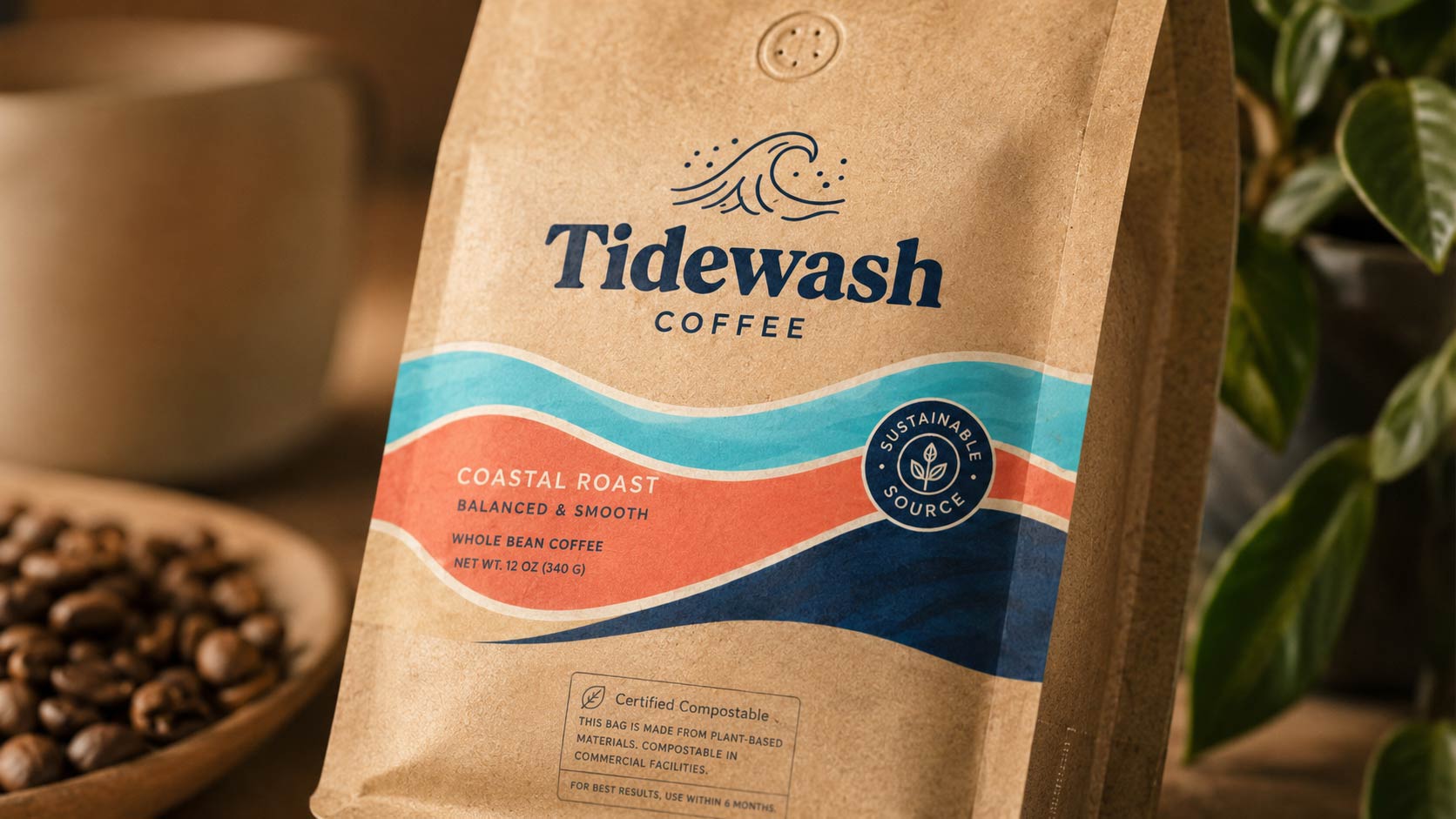
What That Means for Compost+ Specifically
At Savor Brands,
Compost+ packaging has a functional shelf life of about three to four months when it is used to protect and hold roasted coffee. That is the window where it does its job on the shelf. Stored unused in ideal warehouse conditions, meaning cool, dry, and dark, certified compostable plant based films generally stay stable for about six to twelve months before structural weakening begins. Read those two numbers together and the buying strategy writes itself. Order compostable bags to match how fast you will actually use them, not in a giant stockpile that will sit for a year. Store the empty bags cool, dry, and out of the light. And once they are filled, treat that three to four month window as real, because it reflects both the coffee's freshness and the film's working life. Compostable rewards a roaster who buys in rhythm with production and moves product briskly.
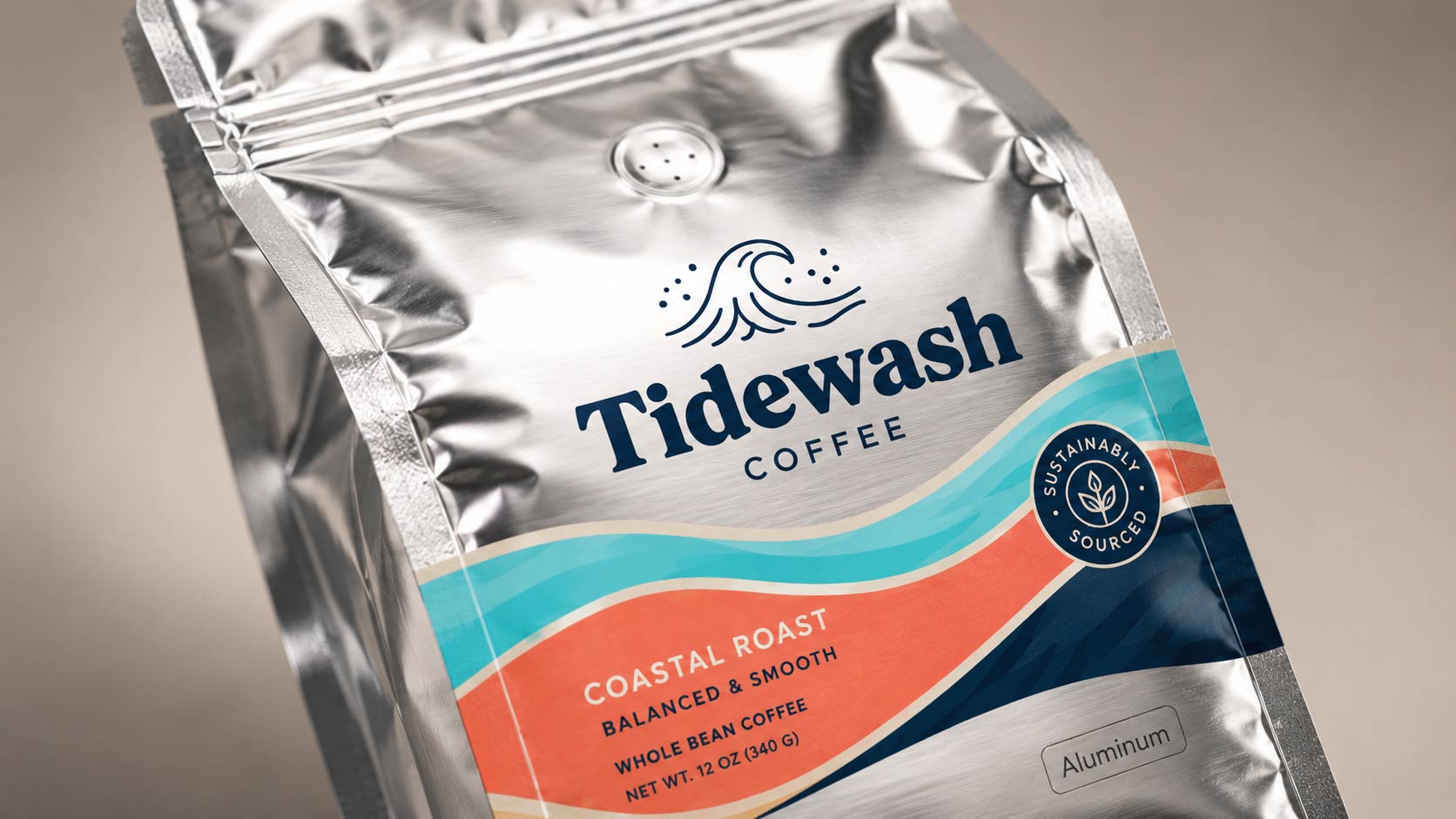
Aluminum's Tradeoff: Permanence Versus Compostability
None of this makes compostable the wrong choice. It makes it a different choice with a different set of tradeoffs, and being clear eyed about them is how you pick well. Aluminum gives you the longest coffee shelf life and a material that essentially never expires, which is exactly why it is the workhorse for long distribution and slow moving SKUs. What it does not do is break down at the end of its life. Compostable flips that. It trades the long protection window and the indefinite material life for a bag that returns to the earth, which for many brands is the entire reason to use it. You cannot ask one film to both last forever and compost quickly, because those are opposite properties. Match the material to the product: aluminum for coffee that needs a long runway, compostable for a fast moving brand that wants the end of life story and can buy in rhythm. If you are weighing the sustainability options,
recyclable versus compostable coffee packaging lays out the rest of the picture.
How to Buy and Store Around Both Clocks
Put the two clocks together and a simple set of habits falls out. Choose your barrier for the coffee's shelf life first, matching the protection window to how long the product needs to stay good in your channel. Then, if you have gone compostable, respect the material clock: order to your real use rate, keep the empty bags cool, dry, and dark, rotate your oldest stock first, and do not over order. If you have gone aluminum or another high barrier film, the material clock is a non issue, so you can buy in the volume that gets you the best run and hold it with confidence. Either way the goal is the same, which is that every bag is still doing its job the day your coffee goes into it.
The Takeaway: Know Which Clock Is Ticking
A coffee bag is not a permanent object, and with compostable it was never meant to be. Product shelf life tells you how long the coffee stays fresh, and material life tells you how long the bag itself will hold up. Aluminum runs on one clock, compostable runs on two, and the roasters who plan around the right one never get surprised by a weak seam or a stale cup. When you are choosing between them, our team can walk you through the tradeoffs on
custom coffee bags.