The 2026 Harvest Is Already Moving
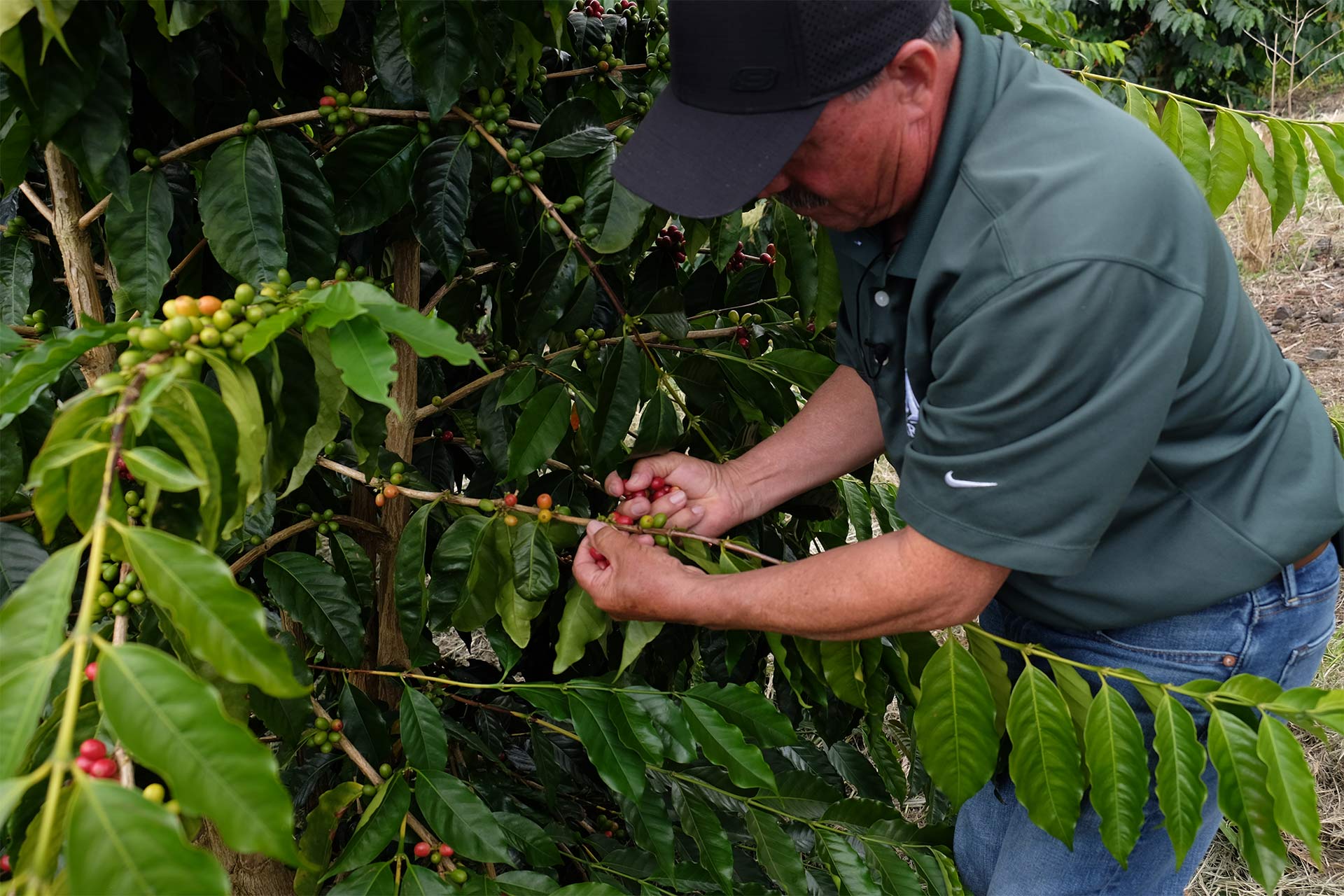
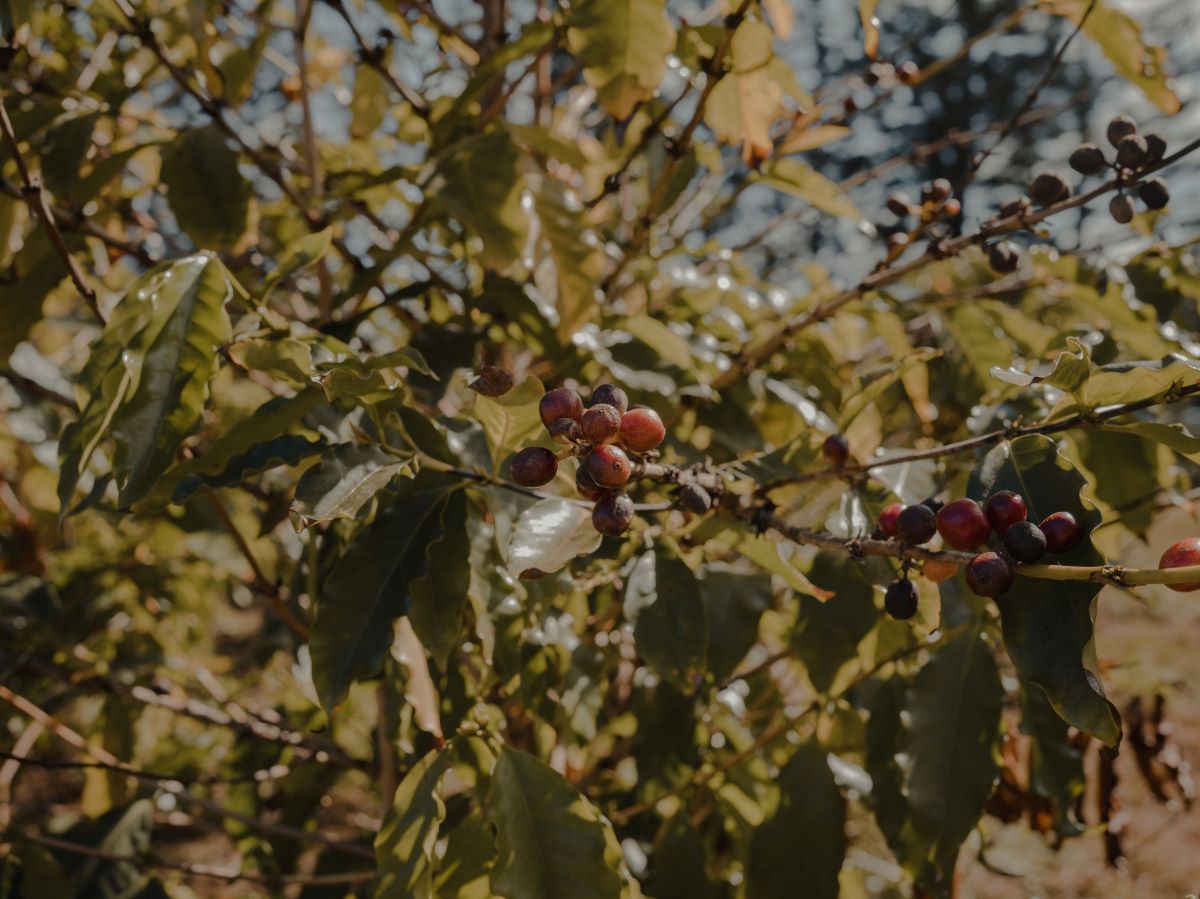
Kona picking season opens in August as the first cherry ripens, builds through the busiest stretch from late September into early November, and tapers off through the end of the year. Farms pick the same trees several times because cherry does not ripen all at once, so a single lot can take weeks to come off the hill before it is even pulped, dried, and milled.
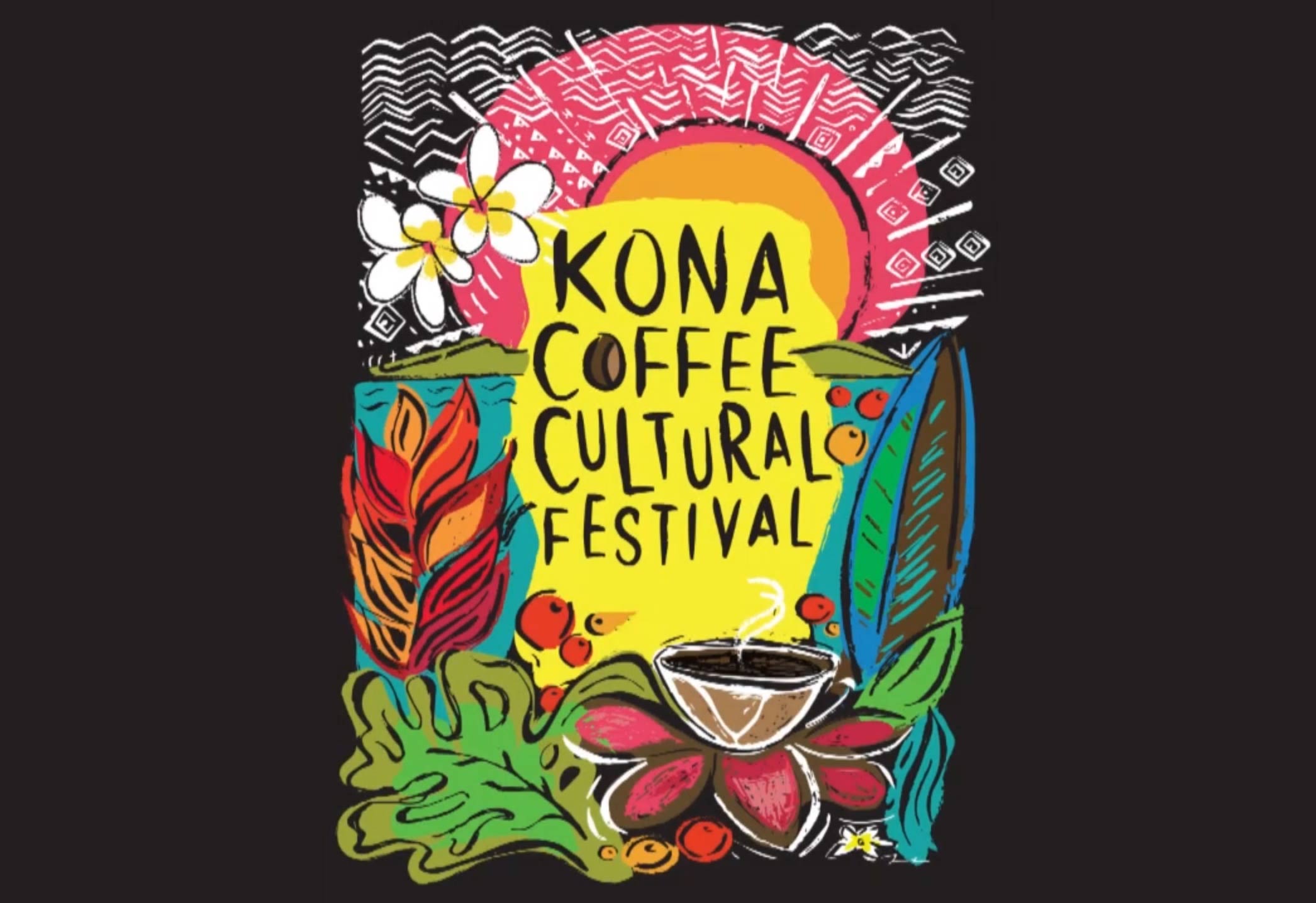
That timeline collides with the biggest sales window of the year. The 55th Kona Coffee Cultural Festival runs November 6 through 15 in 2026, ten days of farm tours, tastings, and the cupping competition whose awards ceremony closes the festival. Visitors show up ready to buy, wholesale buyers pay attention to who placed, and the coffee that gets talked about is the coffee sitting on a table in a finished bag. New crop with no packaging is just inventory.
Count Backward, Not Forward
Here is the part that decides whether a roaster makes the window. Custom coffee bags take about four to six weeks to produce and another five to six weeks to ship to your door, so the honest number is nine to twelve weeks from the day artwork is approved. Not from the day you start thinking about a design, and not from the day you email us. From approval.
- Four to six weeks in production once the artwork is approved
- Five to six weeks in transit for to-door delivery
- Nine to twelve weeks total, which is the number to plan around
- Add your own design and revision time in front of that, because the clock does not start until approval
Run that against the calendar. Artwork approved in the middle of August lands bags somewhere between late October and early November, which just barely covers festival week. Artwork approved in the middle of September lands them in December, which misses the festival and most of the holiday shipping window with it. That is the whole argument for treating packaging as a harvest task rather than a fall task.
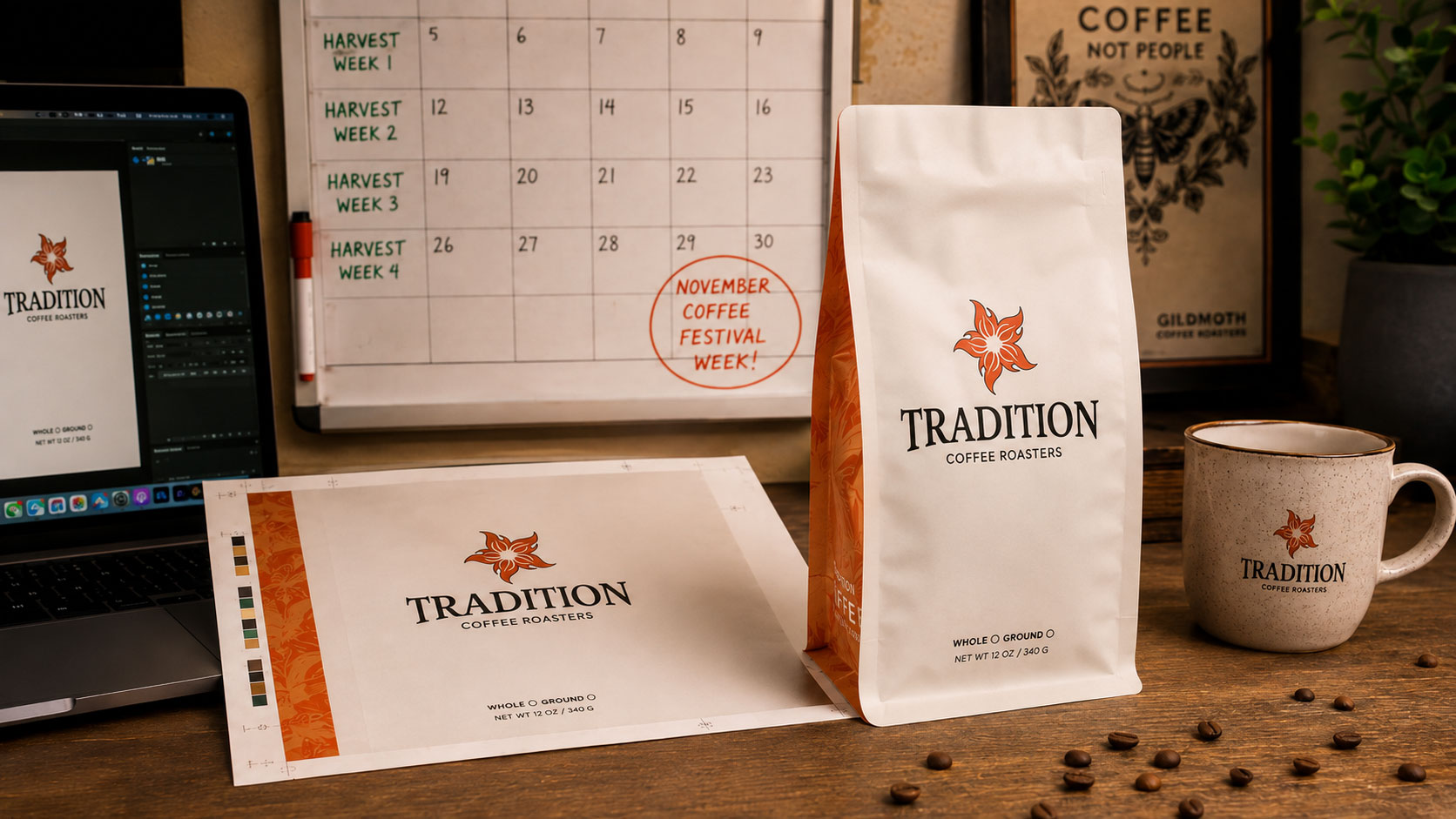
How Tradition Coffee Roasters Thinks About It
Tradition Coffee Roasters in Kailua is a good example of why this matters beyond a single seasonal bag. Founder Brian Burik built the roastery around a simple promise of the freshest cup, and the lineup runs from national award winners like their Firehouse and espresso roasts to the Hawaii-grown coffees that carry the most seasonal weight, including 100% Kona, Kona Peaberry, and 100% Ka'u.
Those single-origin Hawaii coffees are exactly the products that live and die by harvest timing. A Kona Peaberry lot is finite, it is expensive, and its selling season is defined by when it came off the tree. A roaster in that position cannot treat packaging as an afterthought, because the bag is what turns a limited lot into a product people can buy, ship, and gift. We covered Brian's Coffee Talk Monday series a while back, and the same discipline shows up here: know your calendar, then work backward from it.
What Belongs on a New Crop Bag
A harvest bag carries information a year-round blend bag does not, and getting it right is both a selling point and a legal matter in Hawaii. Origin labeling rules for Hawaii-grown coffee are specific about how origin and percentage are stated, and the rules have been tightening, so this is not the place to improvise.
- The harvest year, because new crop is the entire pitch
- The origin statement and percentage exactly as the rules require, which our guide to labeling Hawaii-grown coffee walks through
- The farm or lot name when the coffee is a single lot worth naming
- The roast date, since freshness is the promise a new crop bag is making
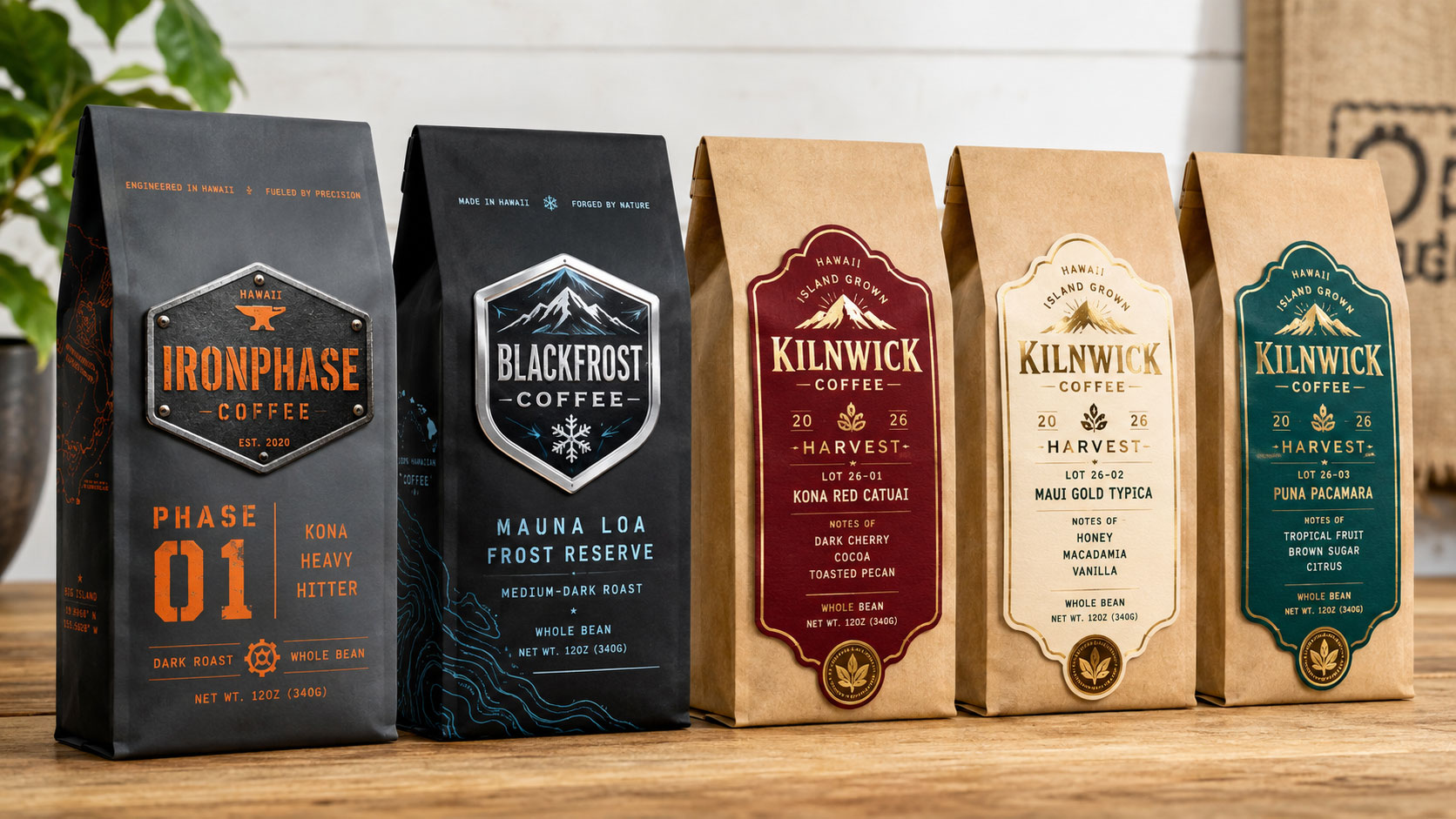
- Room in the design for a sticker or stamp, so one printed bag can serve several lots
That last point saves real money. If you print the harvest year and leave the lot details to a label, one bag design covers your whole Kona program instead of forcing a separate print run for every lot. Our post on
how to label Hawaii-grown coffee covers the origin rules in detail, and it is worth rereading before artwork goes to approval.
If You Are Already Behind, Use Stock
Say it is late September and nothing is approved. Custom print will not make festival week, and that is fine, because there is a second path. Blank
stock bags ship on a much shorter clock and get finished with labels instead of printing, which means your artwork can be finalized in days rather than weeks. Stock runs a 1,000 bag minimum in preset sizes, and you can see what we keep ready in the
shop.
The trade is design freedom, not protection. A labeled stock bag uses the same barrier constructions as a printed one, so the coffee is just as safe inside it. Plenty of Hawaii roasters run both, using stock for the lots that arrive unexpectedly and
custom coffee bags for the flagship program they plan a year out. If you have the time, print. If harvest surprised you, label a stock bag and get the coffee selling.
Barrier Matters More When Coffee Leaves the Island
Hawaii coffee has a shipping problem that mainland roasters do not think about. A bag of Kona bought at a festival table often flies home in a suitcase, sits in a visitor's kitchen for a month, and gets gifted after that. Wholesale lots travel even farther. The barrier is what decides whether the coffee still tastes like what the buyer paid for by the time it gets brewed.
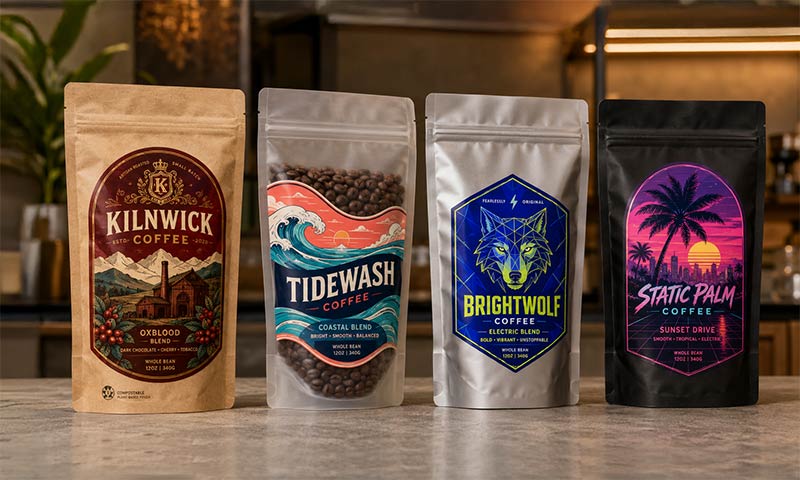
Aluminum is the answer when coffee travels, holding roughly nine to twelve months of protection, which is why it is the standard for retail and distribution. Metallized polyester covers about six months and is the cost effective middle for direct sales, while EVOH and industrial compostable films sit around four months and suit coffee that turns over fast. Our guide to
coffee bag barrier materials lays out the whole comparison. For a premium lot that a customer may hold onto, the longer barrier protects the price you charged.
Bag the Harvest You Worked All Year For
A Kona crop takes a year of pruning, picking, drying, and milling, and then it gets one selling season. Packaging is the last step between that work and the customer, and it is the only step with a nine to twelve week clock attached to it. Everything else in harvest can be handled the week it happens. This cannot.
So while the pickers are still working the trees, get the artwork moving. Approve it in August, take delivery in late October, and spend festival week selling coffee instead of explaining why the new crop is in a plain bag. If you want help mapping your lots to sizes and materials, our
Hawaii packaging team does this every harvest.