The Press Is the Fast Part
Ask a roaster what takes the longest when they order custom bags and almost everyone says the same thing: the printing. It is the step you can picture, it is the step your artwork goes into, and it is the step you are nervous about.
It is also one of the shortest steps in the whole job. Once a press is set up and running, the print for an entire order can be finished in a matter of hours.
Then the bags sit still for days, and nobody tells you that part.
What Actually Happens, In Order
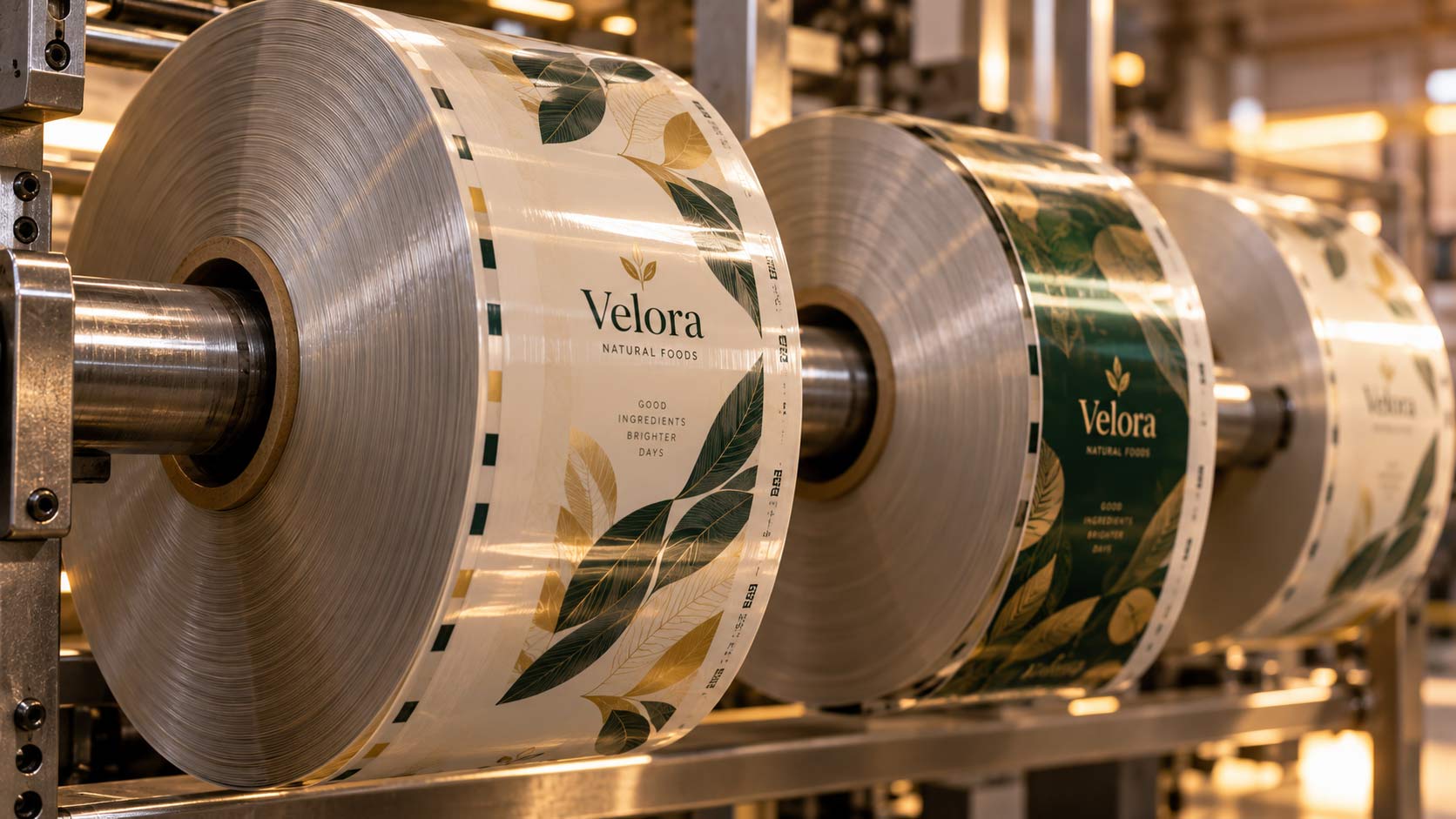
A coffee bag is not printed. A
roll of film is printed, and then that roll has to become a bag. Those are separate machines, separate steps, and separate queues.
Here is the real sequence behind a custom order:
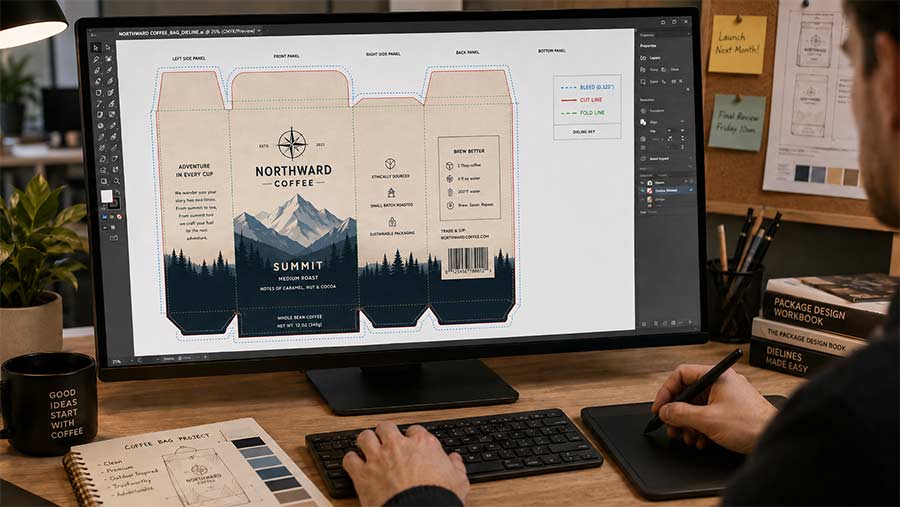
- Prepress and artwork. Your file gets checked, trapped, and laid out onto the dieline, then separated into the individual colors the press will lay down.
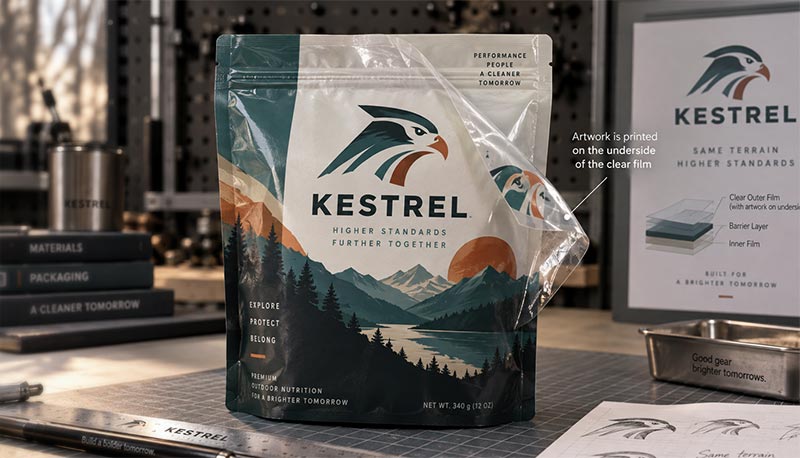
- Printing. The outer film runs through the press and the artwork goes down, in reverse, on the underside of that film. We covered why in reverse printed coffee bags.
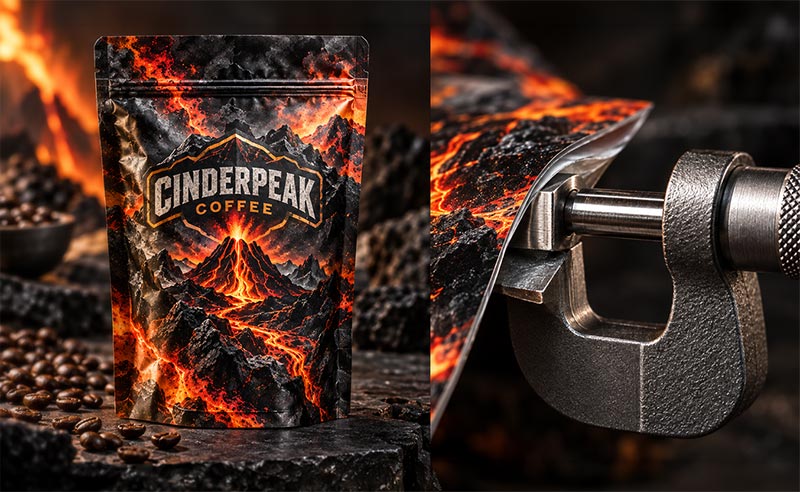
- Lamination. The printed film is bonded with adhesive to the barrier layer and the sealant layer, which is how you end up with the multi-layer wall described in coffee bag thickness.
- Curing. The laminated roll goes on a rack and waits while that adhesive reaches full strength.
- Converting. The cured roll is slit to width and run through a bag machine that folds the gusset, seals the sides, applies the zipper and the valve, and cuts the bags apart.
- Inspection, packing, and freight. Counting, boxing, palletizing, and the truck.
Curing is the step with no machine attached to it. It is just time passing, and it is frequently the longest single block on the schedule.

Why Curing Cannot Be Rushed
The adhesive that holds your bag's layers together is not a glue that grabs and is done. It keeps reacting and building strength after the rolls come off the laminator, and it needs time at the right conditions to finish.
Convert a roll before that reaction has finished and the problems are not subtle. The layers can separate, which is called delamination. You get tunneling, where little channels form between layers and show as wrinkles through the print. The film can curl so it will not track straight through the bag machine. Worst of all, the seals can look perfect and still be weak, which is a failure that will not surface until your coffee is sitting on a shelf.
None of that can be inspected away at the last minute. It shows up after the bags are already made, which means the whole run is scrap.
Two things make this longer than people expect. Cure time depends on the adhesive system and the structure, so a simple two-layer bag and a high barrier foil structure do not wait the same amount of time. And a structure with more layers may be laminated in more than one pass, with its own cure after each one.
What This Actually Means for Your Date
The practical takeaway is that pushing on the printing does almost nothing to your delivery date. It is the short pole. Asking a supplier to run your job faster on press might buy you part of a day against a schedule where the real time is spent elsewhere.
So when a deadline is tight, push on the steps that genuinely move:
- Approve artwork quickly. The clock usually does not start until your final file is approved. Days spent going back and forth on a logo are days added to the front of the job, and they are the days you have the most control over.
- Have your dieline settled before you design. Changing bag size or style after artwork is built sends you back to the beginning of prepress.
- Ask what the structure requires. If two film structures both meet your shelf life need and one laminates in fewer passes, that is a real difference in calendar days.
- Understand the tooling step. Rotogravure needs engraved cylinders made before anything prints. Digital skips that, which is part of why a first run or a short run often lands sooner. The trade-offs live in our minimum order quantity guide.
- Bridge with stock. If you are going to run out, plain stock bags with a label will keep you selling while the custom order finishes properly.
The Honest Version of a Rush Request
There is a version of rushing that is real and a version that is not.
What a supplier can genuinely compress is queue time. Your job can move up in line, prepress can be prioritized, the press can be scheduled sooner, and freight can be upgraded. Those are real levers and they can save meaningful days.
What cannot be compressed is chemistry. If someone promises you a turnaround that skips the cure, they are either not laminating, which means a different and usually lower barrier structure, or they are about to convert a roll early and hand you the risk. A bag that delaminates six weeks later costs more than the two days you saved.
The right question is not "can you go faster." It is "what is actually on my schedule, and which parts of it are waiting rather than working."
Why It Is Worth Knowing
You will never specify a cure time. It is not a decision you get to make, and it will not appear on your quote as a line item.
It is worth knowing for three reasons. It tells you where your own delay costs you most, which is at artwork approval, long before anything reaches a press. It explains why a supplier who quotes a realistic date is often the one doing it correctly. And it reframes reorder planning, because the lead time you need to protect is not the printing, it is the whole quiet middle of the job.
If you have a date you need to hit and you are not sure whether it is realistic,
send us your timeline and we will walk you through where the days actually go on your specific structure.