The Assumption Worth Checking
Roast to order sounds like it should make packaging easier. The coffee goes out days after it was roasted, nobody is warehousing bags of it for a month, and freshness is the whole promise. If the coffee is that fresh, surely the bag has less work to do.
It is the other way around. Coffee that goes into a bag two or three days off roast is the most chemically active coffee you will ever package, and the bag has to hold it at exactly that moment.
Roasting to order does not lower the demands on your packaging. It moves them, and it moves most of them earlier.
Fresh Coffee Is Still Working
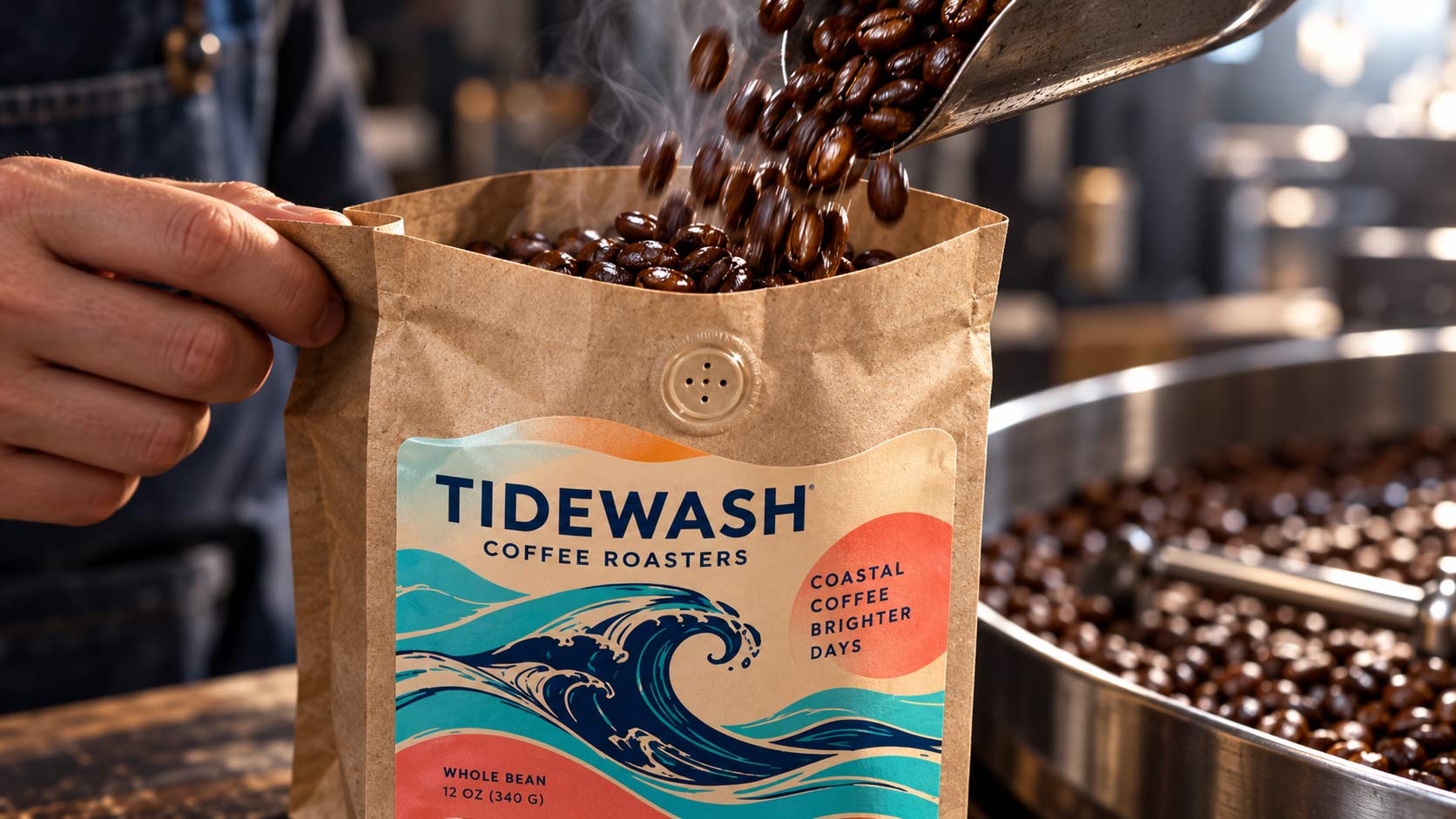
A roasted bean keeps releasing carbon dioxide for days after it leaves the roaster. That is not a defect, it is the coffee finishing what roasting started, and it is strongest right at the beginning.
A roaster who bags on a schedule often lets coffee rest before packing, so some of that gas has already left the bean by the time the bag is sealed. A roaster filling against an order that came in yesterday does not get that pause. The bean is still venting hard when the seal closes.
That changes three things about the bag:
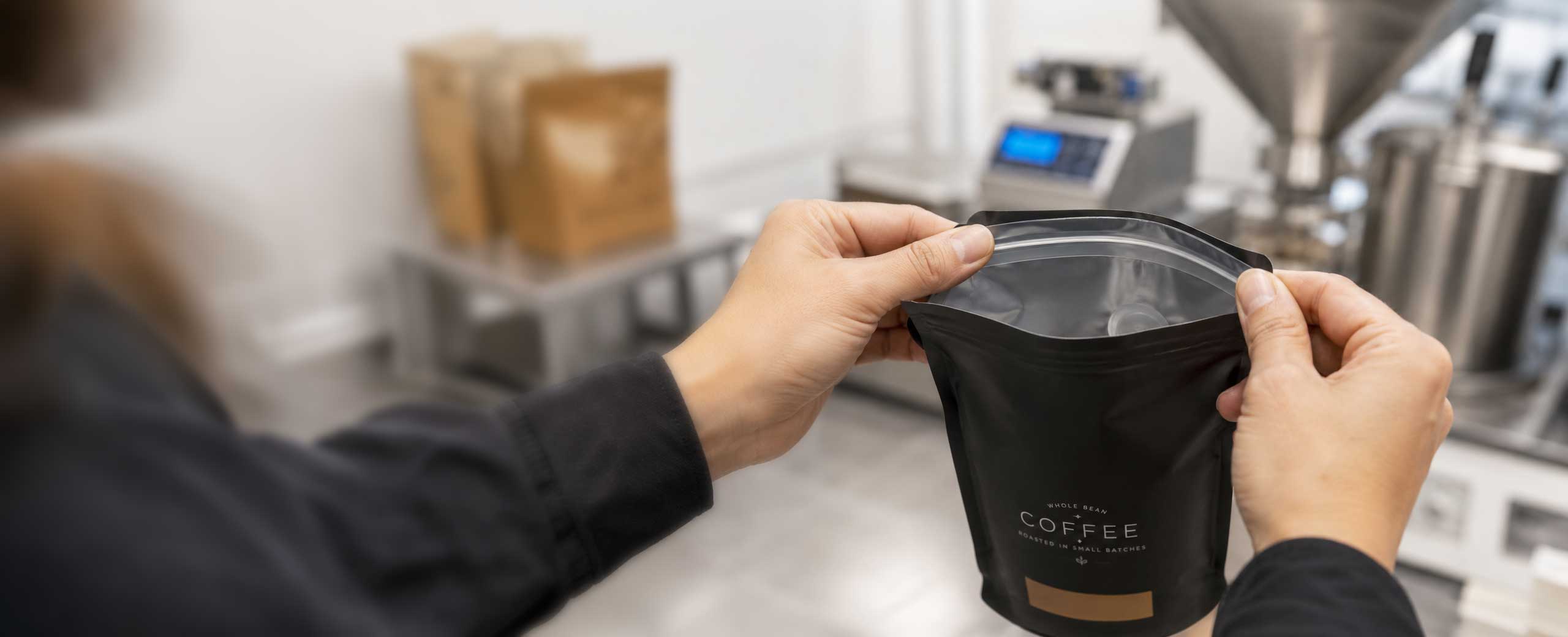
- The valve stops being optional. With gas coming off fast, a sealed bag with nowhere to vent will swell, strain its seals, and in a bad case split. We go deeper on how these are specified in coffee bag valve design.
- Headspace matters more, not less. The empty volume above the coffee is where that gas goes first. A bag packed tight to the top on day two has far less room to absorb it.
- Seal quality gets tested sooner. A marginal seal on a resting coffee might never be found. The same seal on a bag that pressurises within hours will be.
The Date You Cannot Print
The second thing roast to order changes is the part of your bag you were never going to print anyway.
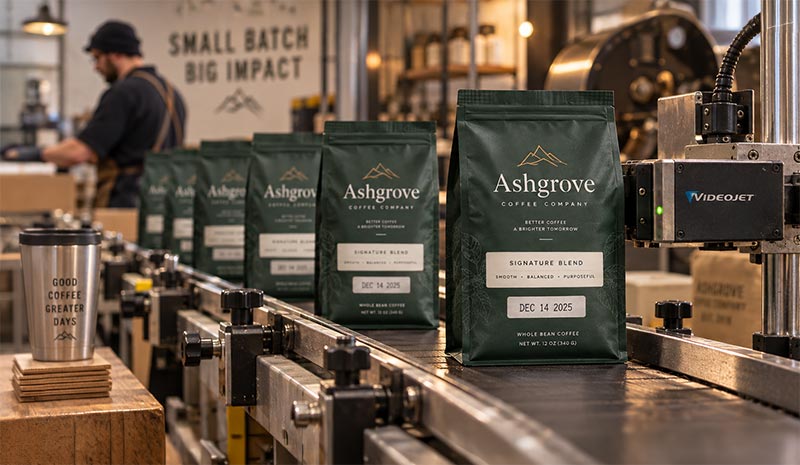
Your bags are made and printed in a single run, months before most of them are filled. The roast date does not exist yet when the artwork goes on press. That is true for every roaster, but it bites hardest here, because roast to order makes the roast date the headline claim of the whole business.
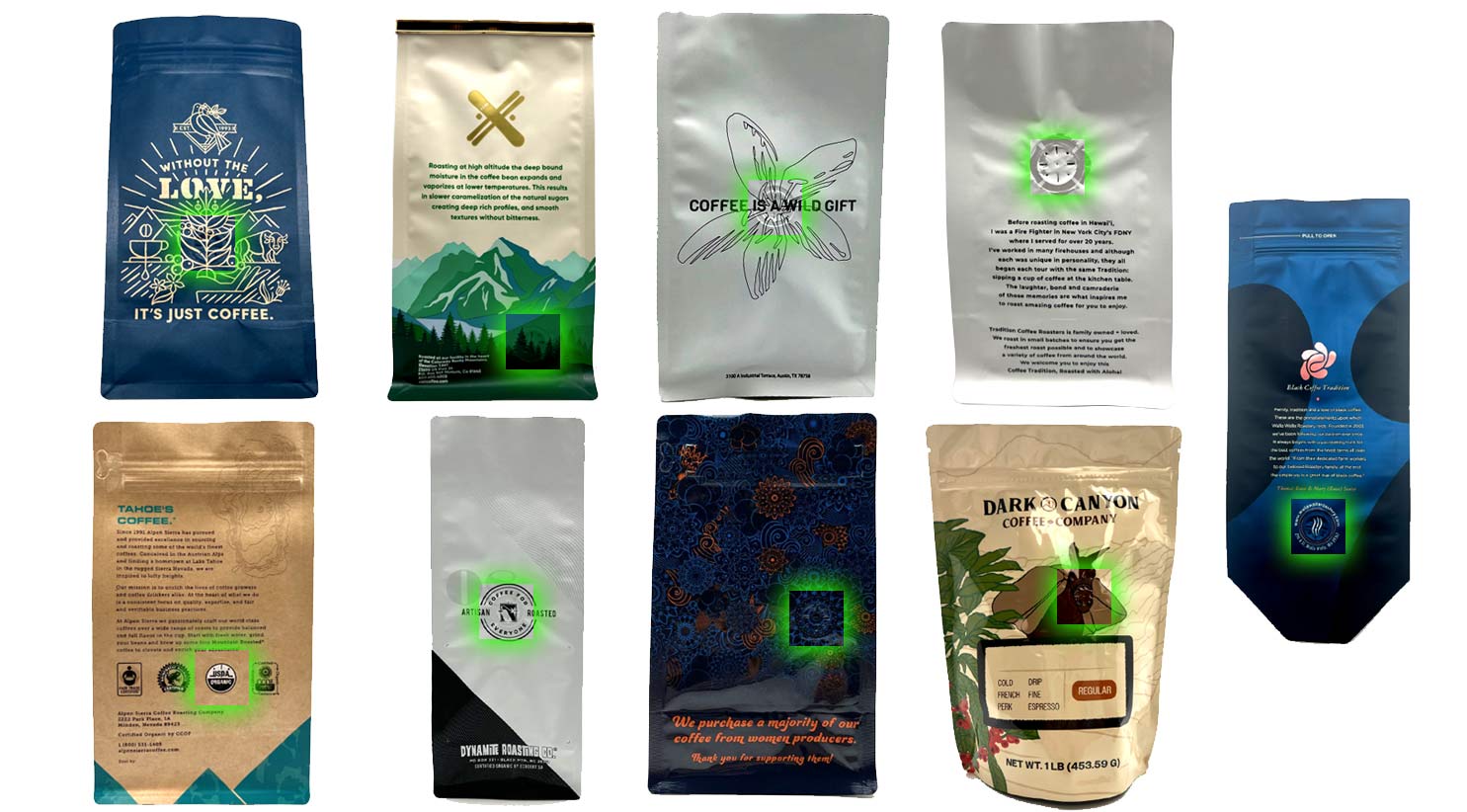
So the date has to be applied at fill time rather than printed, and your artwork has to leave a clean, light, unvarnished place for it to land. If you are promising a roast date on every bag, that space is not a detail, it is a requirement. We covered the options and what the artwork needs to reserve in
the roast date post.
Small Batches, Many Times
The third change is in how you buy bags rather than how they perform.
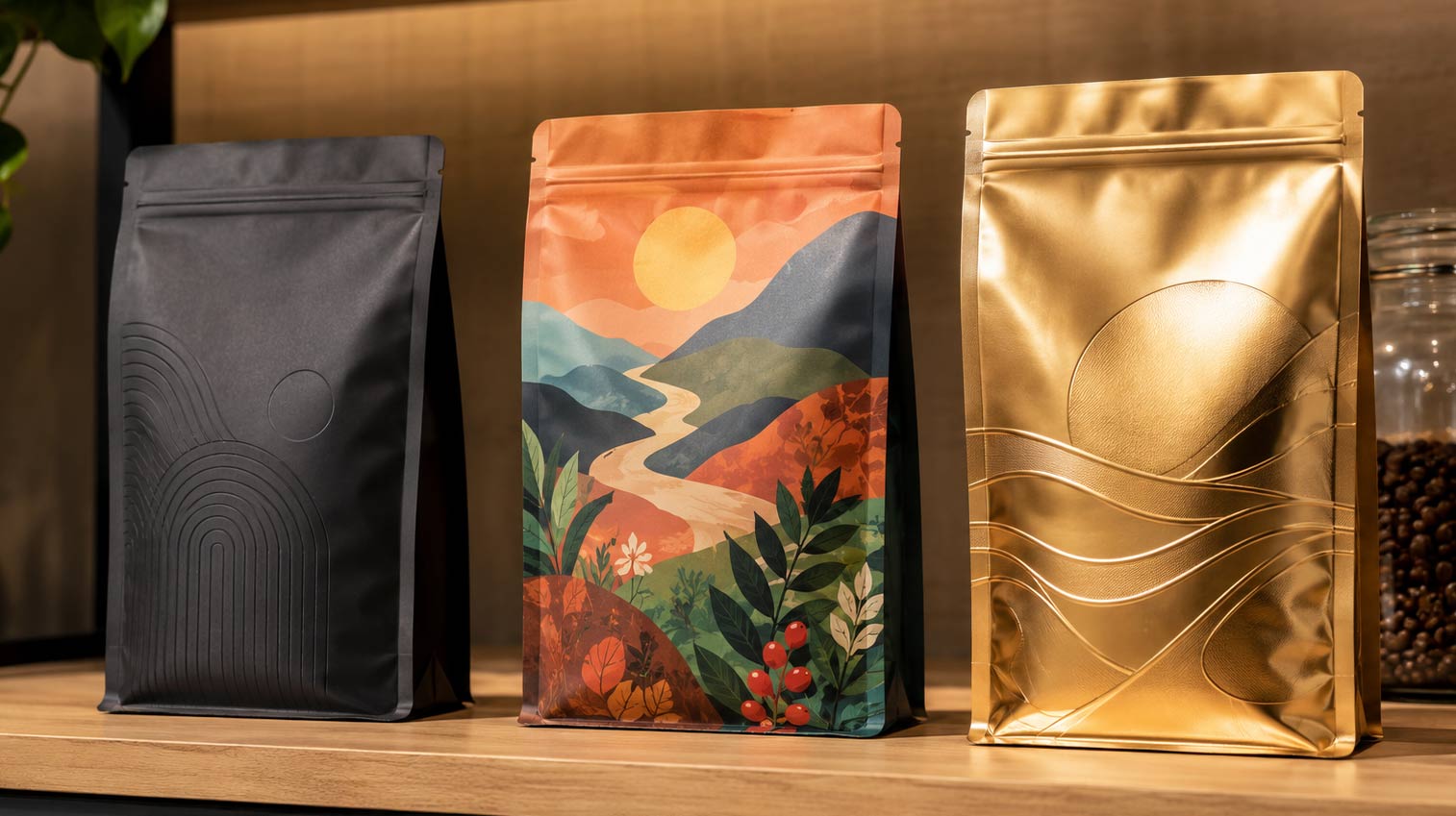
Roasting to order usually means filling small quantities continuously instead of large quantities occasionally. That pattern fits badly with a single enormous print run, and it fits well with either a lower custom minimum or a stock bag with a label on it. Our
minimum order quantity guide lays out where the tiers actually sit, and
stock bags paired with labels is the route most roasters take while their volumes are still moving.
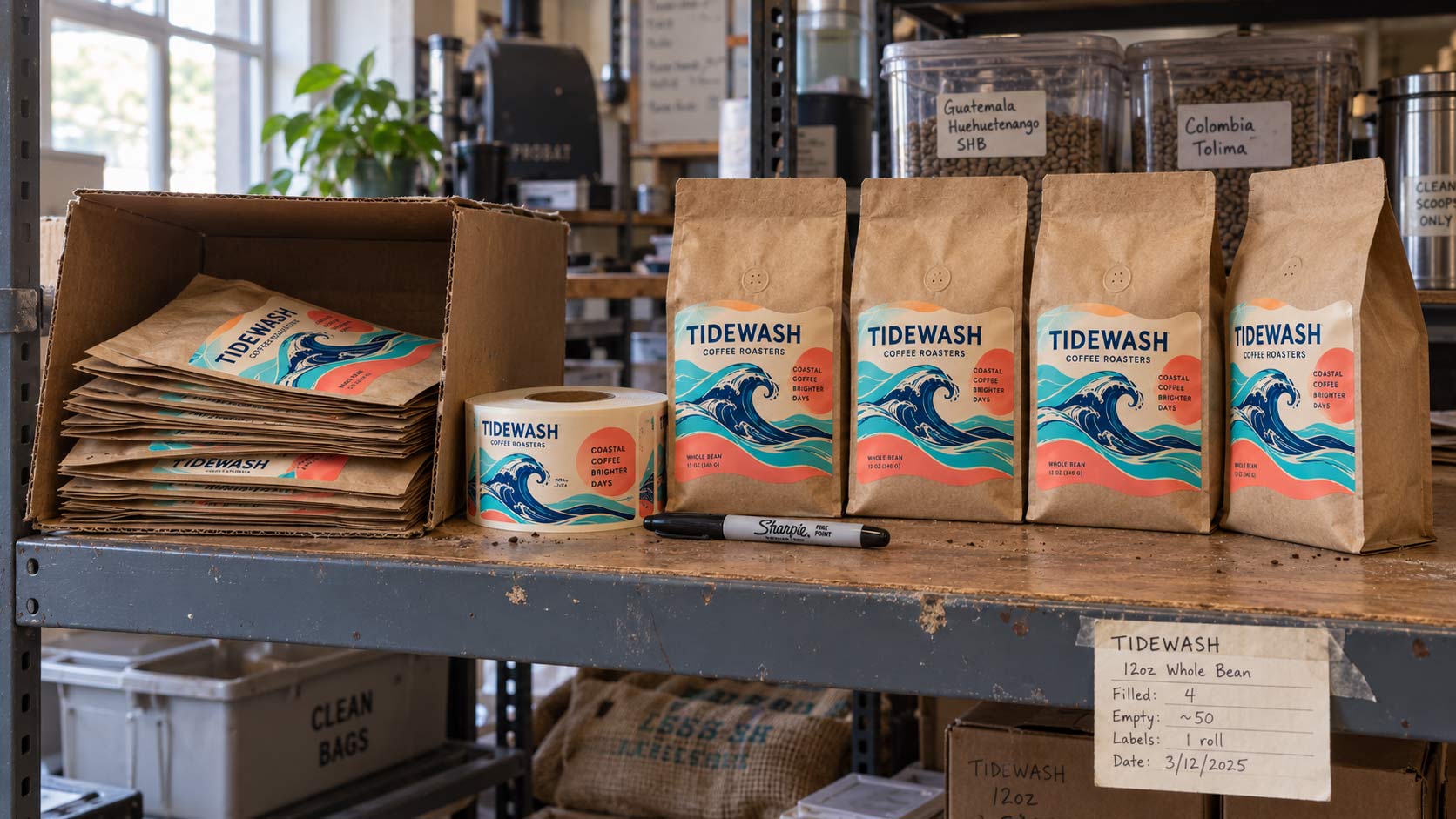
There is a second consequence that catches people out. If you are filling a few bags at a time over many months, the bags themselves sit in your shop far longer than they would at a roaster who fills a pallet in a week. Empty bags have their own storage needs, which we wrote about in
the bag has a clock too.
What This Does Not Change
It is worth being clear about the limits, because roast to order gets talked about as though it solves packaging.
It does not remove the need for a barrier. The coffee may be days old when it ships, but it is not consumed the moment it arrives. It sits on a counter, gets opened daily, and has to survive however long your customer takes to drink it. The clock your bag is really fighting starts at the customer's kitchen, not at your roaster.
It also does not make the bag a formality. A customer paying for roasted-this-week coffee has high expectations, and a bag that feels thin or arrives scuffed undercuts the premium you just charged.
Build the Bag for the Day It Is Filled
The practical version of all this is short.
- Specify the valve as standard rather than as an upgrade, because you are bagging at peak gas.
- Leave real headspace and do not over-fill to make the bag look generous.
- Reserve a clean space in the artwork for a date applied at fill.
- Buy bags in a pattern that matches small, frequent fills rather than one huge run.
- Store your empty bags properly, because they will be waiting longer than you think.
Get those right and the model works the way you are selling it. Get them wrong and the freshest coffee in your market arrives in a bag that could not keep up with it.
Why It Is Worth Knowing
Roast to order is a promise about time, and packaging is the only part of the promise that travels with the coffee.
If you are moving to a roast to order model, or already running one and wondering whether your current bag is right for it,
tell us how soon after roast you fill and we will tell you what that changes about the spec.