Switching Suppliers Is a Handoff, Not a Leap
The way to switch coffee bag suppliers without missing an order is to treat it as a planned handoff, not a cold start. You pin down the specs of the bag you run now, hand your new supplier production ready artwork, and time the first order so it lands before your old stock runs out. Do those three things and the change is invisible to your customers: the coffee keeps flowing, the shelf never goes empty, and the only thing anyone notices is that the new bags look better. Most of the pain roasters fear from switching comes from skipping one of those steps, not from switching itself.
Why Roasters Switch in the First Place
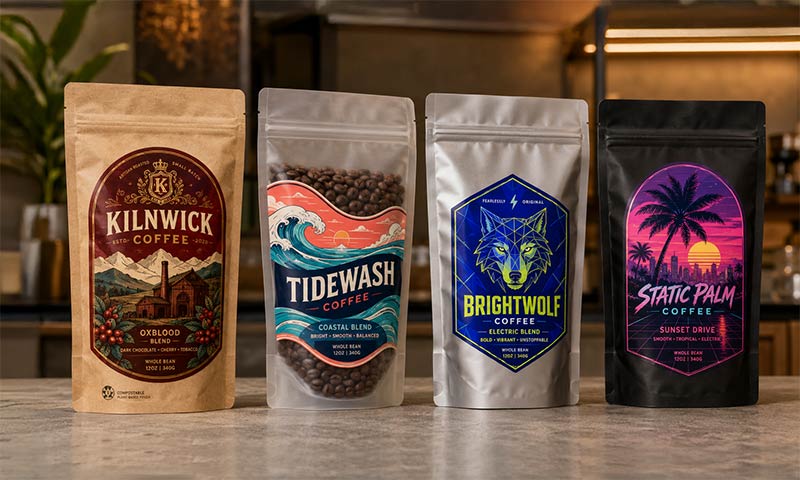
Roasters rarely change suppliers on a whim. Usually one thing has been nagging for a while. The print quality is not what it used to be, or was never great. The per unit price crept up, or never made sense at the volume you run. Lead times got unpredictable. Or the goal changed, and a brand that started on whatever bag was cheapest now wants real
custom coffee bags that match how far the coffee inside has come. A common trigger lately is sustainability: a roaster on a thin, single layer, hard to recycle bag wants to move to a better barrier or a compostable option and needs a supplier who actually offers it. Whatever the reason, the switch is worth doing well, because the bag is the first thing a customer touches.
Step One: Pin Down the Specs of the Bag You Run Now
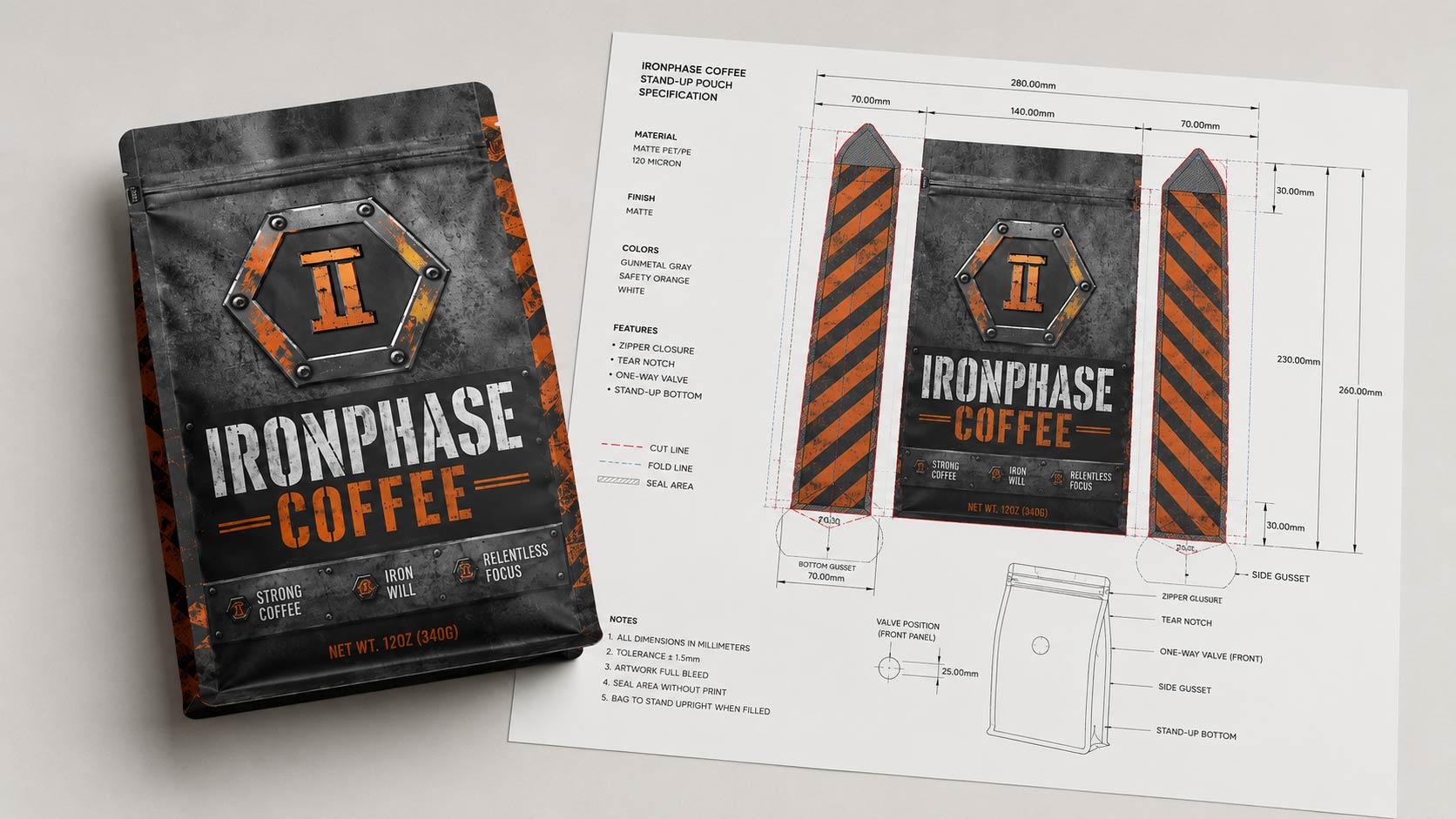
Before you talk to anyone, write down exactly what your current bag is. This is the single most useful thing you can do, because it lets a new supplier match what works and fix what does not. Capture the bag style (stand up pouch, flat bottom quad seal, side gusset), the finished dimensions, the fill weight it holds, the material and barrier, the finish (matte, gloss, soft touch), and the extras: valve, zipper, tin tie, tear notch. If you are not sure what some of those are, our
anatomy of a coffee bag guide names every part. Getting the barrier right matters most, since that sets your coffee's shelf life, so our guide to
coffee bag barrier materials lists what each one protects for. Hand a new supplier this spec sheet and they can quote a true match, or tell you where they can do better.
Step Two: Get Your Artwork Production Ready
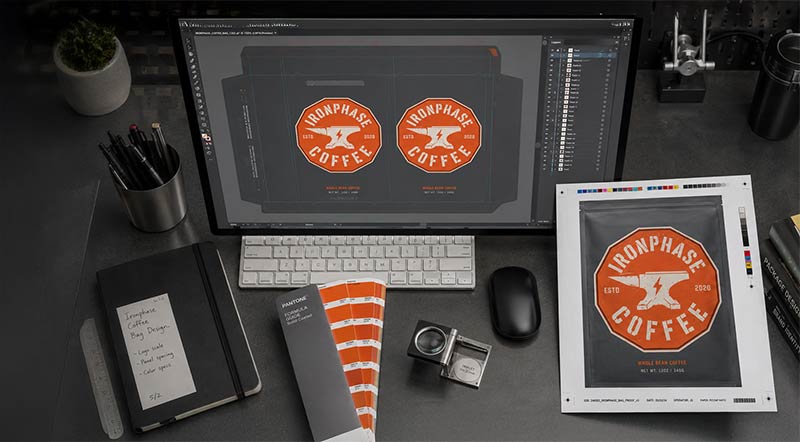
The second thing that stalls a switch is artwork. Your old supplier had your files set up for their process, and a new one needs them in a form they can print. That means a proper dieline for the new bag's exact dimensions, vector artwork rather than a low resolution image, and color built in print values so it comes out the way you expect. If your design lives only as a flattened file from your last run, budget a little time to rebuild it. Our
preflight checklist for packaging artwork covers what a print ready file actually needs. With
digital printing you can run full color edge to edge from your files, so a clean handoff here is most of the battle.
Step Three: Overlap Your Orders So the Shelf Never Goes Empty
This is the step that keeps you from missing an order, and it comes down to one number: lead time. A custom run takes about four to six weeks to produce plus five to six weeks to ship, so plan on roughly nine to twelve weeks from the day you approve artwork to bags on your dock. Add your own design and proofing time in front of that. The move is simple: count backward from when your current stock runs out, and place the first order with your new supplier early enough that the new bags arrive before the old ones are gone. If your timing is tight, order a bridge quantity from your old supplier, or start with
stock bags finished with labels to cover the gap while your custom run is in production. Our guide on
how many bags to keep on hand walks through the reorder math. The goal is a clean overlap: new stock in hand before the old stock is out.
Step Four: Approve a Proof Before You Commit the Full Run
Never assume a new supplier's output matches your last one, even from the same files. Colors shift between printers and films, and the only way to know is to see it. Ask for a proof, and if the run is large, a printed sample on the actual material before the full order goes. Check the color against your brand, the print against your design, and the bag against your fill weight. This is a small step that prevents a big mistake, and it is the difference between switching once and switching twice.
What to Hand Your New Supplier
When you reach out, having these ready turns weeks of back and forth into a single conversation.
- The spec sheet for your current bag: style, dimensions, fill weight, material and barrier, finish, and closures
- Production ready artwork: a dieline for the new size, vector files, and colors in print values
- Your real annual volume and how you order it, so they can size runs and price the breaks
- Your hard deadline, meaning the date your current stock runs out
- Any change you want made, whether that is a better barrier, a new finish, or a move to compostable
The Upgrade You Actually Get
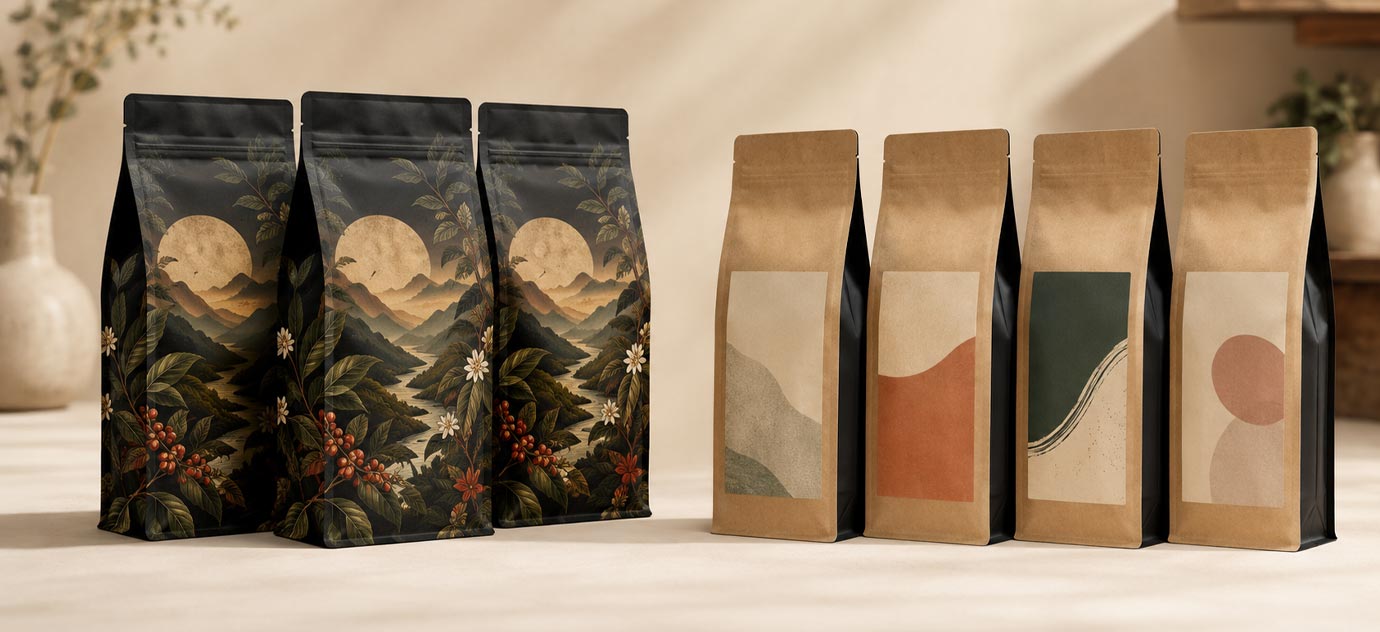
Switching is not just about fixing a problem, it is a chance to level up. A roaster leaving a thin generic bag or a print on demand supplier usually gains real custom quality: full color printed edge to edge, a barrier matched to the coffee's shelf life, and finishes that make the bag feel like the product deserves. If you are weighing how far to take it, our look at
digital versus stock coffee bags lays out the tradeoff between committing to a printed design and staying flexible with labels. The point is that a switch, done on purpose, ends with a better bag than the one you left.
Switch Once, and Switch Clean
A supplier change only goes wrong when it is rushed. Pin your specs, hand over clean files, overlap your orders around a realistic lead time, and prove the color before the full run, and your customers will never know anything changed except that the bags look sharper. When you are ready to make the move, our team can match your current specs and quote the upgrade on
custom coffee bags.