Why Do Shoppers Squeeze Coffee Bags?
Because they want to smell the coffee before they buy it, and the valve is the only way in. Press a sealed bag and a puff of coffee aroma comes out of that little round valve on the front. Somewhere along the way that became a store habit, and plenty of roasters encourage it. "Give it a squeeze" sounds like a great line for a shelf talker.
It is a fair instinct. Smell is how people judge coffee. The trouble is what the squeeze does to the bag, and to the next shopper who picks it up.
What Happens Inside the Bag When Someone Squeezes It?
The squeeze pushes gas out through the valve, and the valve is built so that nothing comes back in.
A one-way degassing valve is a small pressure relief door. Freshly roasted coffee keeps giving off carbon dioxide for days, so the valve opens when the pressure inside climbs a little above the air outside, which keeps the bag from ballooning. When the pressure drops, it closes again. Air stays out, so oxygen cannot reach the beans. For coffee, that is exactly the right design.
A squeeze does the same thing by hand. It raises the pressure, the valve opens, and some of the gas in the headspace, the space above the coffee, leaves the bag. That gas is not only carbon dioxide. It carries the aroma the shopper just smelled, which is part of what you roasted into the coffee. When the hand lets go, the valve shuts. The bag now holds a little less gas than it did a minute ago, and it stays that way.
One squeeze is nothing. But a bag that sits at the front of the shelf for a couple of weeks can be squeezed by a lot of curious shoppers, and each one takes a little.
Why Does a Squeezed Bag Look Stale?
Because the gas in the headspace was helping hold the bag's shape, and now it is gone.
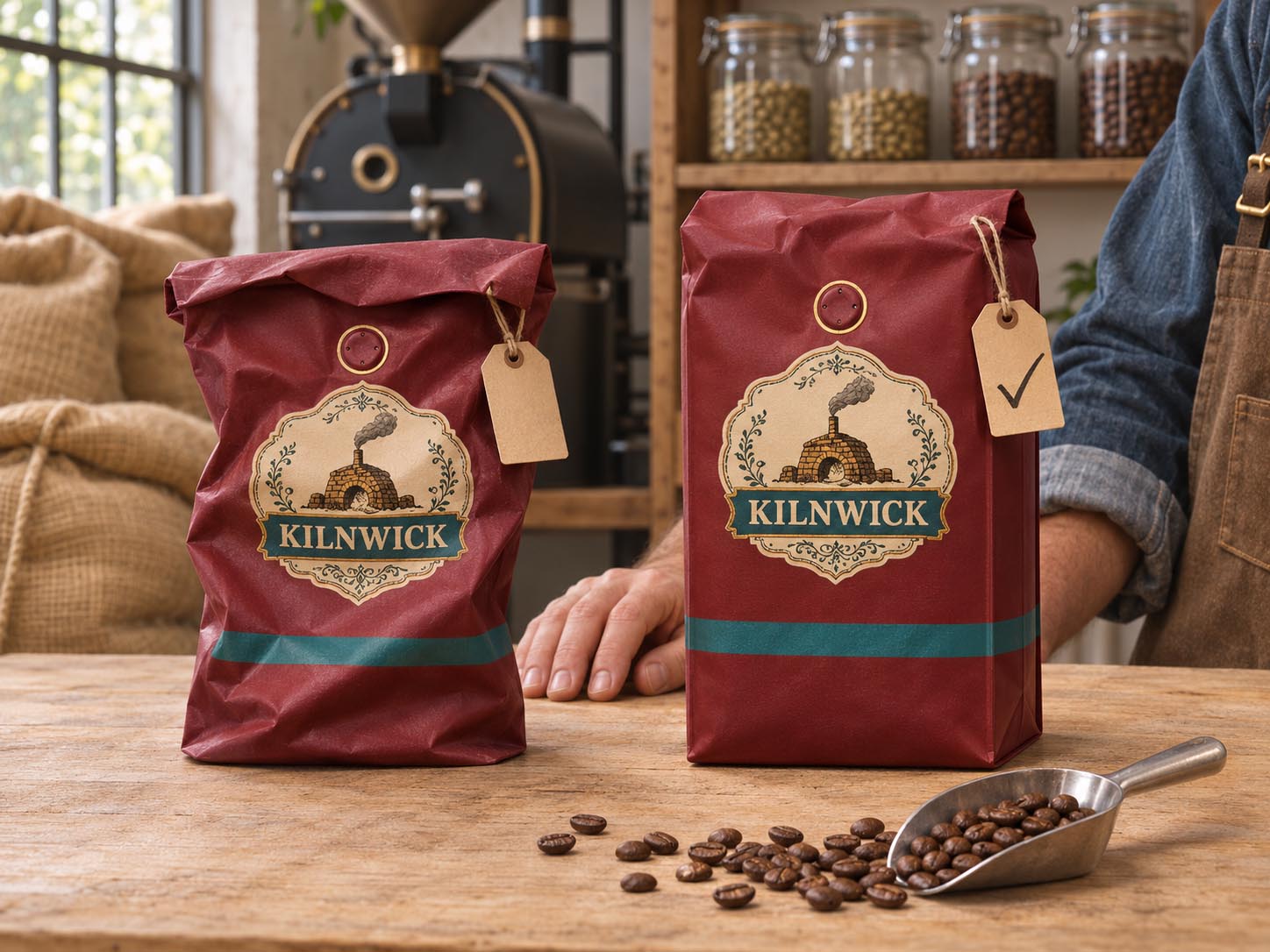
A sealed bag with some gas inside looks full and tight, a bit like a pillow. Take that gas away and the film relaxes. The front panel goes soft, the top folds over, wrinkles show up around the shoulders, and the bag starts to lean. To a shopper, a limp bag reads as old, opened or handled, even when the seal is perfect.
Very fresh coffee can partly refill the bag, because the beans keep releasing carbon dioxide for a while after roasting. Coffee that has been on the shelf for a while has already given off most of its gas, so once that bag goes limp, it stays limp. That is why the bags at the front of the row, the ones everybody reaches for first, often look worse than the ones behind them.
Is the Coffee Actually Stale?
Usually not. The valve did its job. It let gas out and kept air from coming back in, so the coffee has not been exposed to oxygen the way an open bag would be. What the bag lost is some aroma from the headspace and a lot of shelf appeal.
That is the misread worth knowing about. A roaster sees limp bags in a store photo and suspects a bad seal, a bad valve or a bad batch of film. A store manager sees the same bags and pulls them as old stock. Usually neither is right. The bag is doing what it was designed to do. The squeezing is what changed.
There is one exception worth checking. If a single bag goes completely loose while the bags around it stay firm, look at the seal, not the shoppers. Our post on
why coffee bag seals fail shows how to test it.
How Do I Keep Squeezed Bags From Looking Stale?
There are six fixes, and they work best two or three at a time.
1. Pick a bag shape that holds its form without the gas. A box bottom bag, also called a flat bottom or quad seal bag, gets most of its shape from its folded side gussets and flat base. Filled to the right weight, it stands like a brick whether there is gas in the headspace or not. A stand-up pouch relies more on the air inside to look full, so when that air leaves, it slumps and wrinkles first. If your coffee sells in stores where shoppers handle the bags, the box bottom is the more forgiving shape. Our
guide to box bottom bags covers how they are built.
2. Size the bag to the fill. The more empty space above the coffee, the more gas there is to squeeze out, and the more the bag changes shape when it goes. A bag sized to your real fill weight has a small headspace and barely moves when squeezed. Our
fill testing guide shows how to check yours with your own coffee.
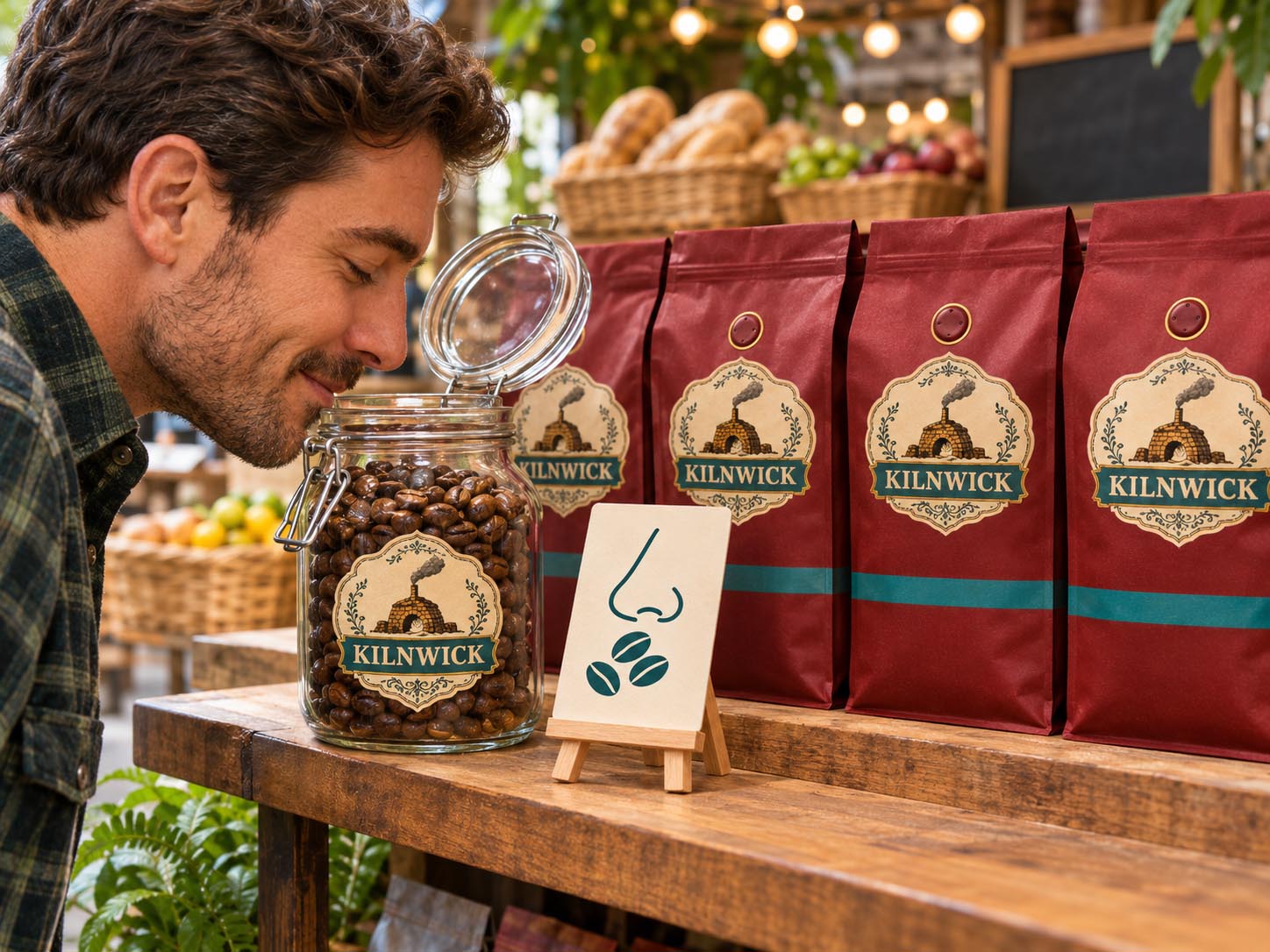
3. Give shoppers something else to smell. Ask your stores to set a tester next to your bags: one opened bag with the top rolled down, or a small lidded jar of the same beans that shoppers can open and sniff. People still get to smell your coffee, which is the whole point, and the sealed bags stay untouched. The tester usually smells better too, because open beans give off far more aroma than a puff from a valve.
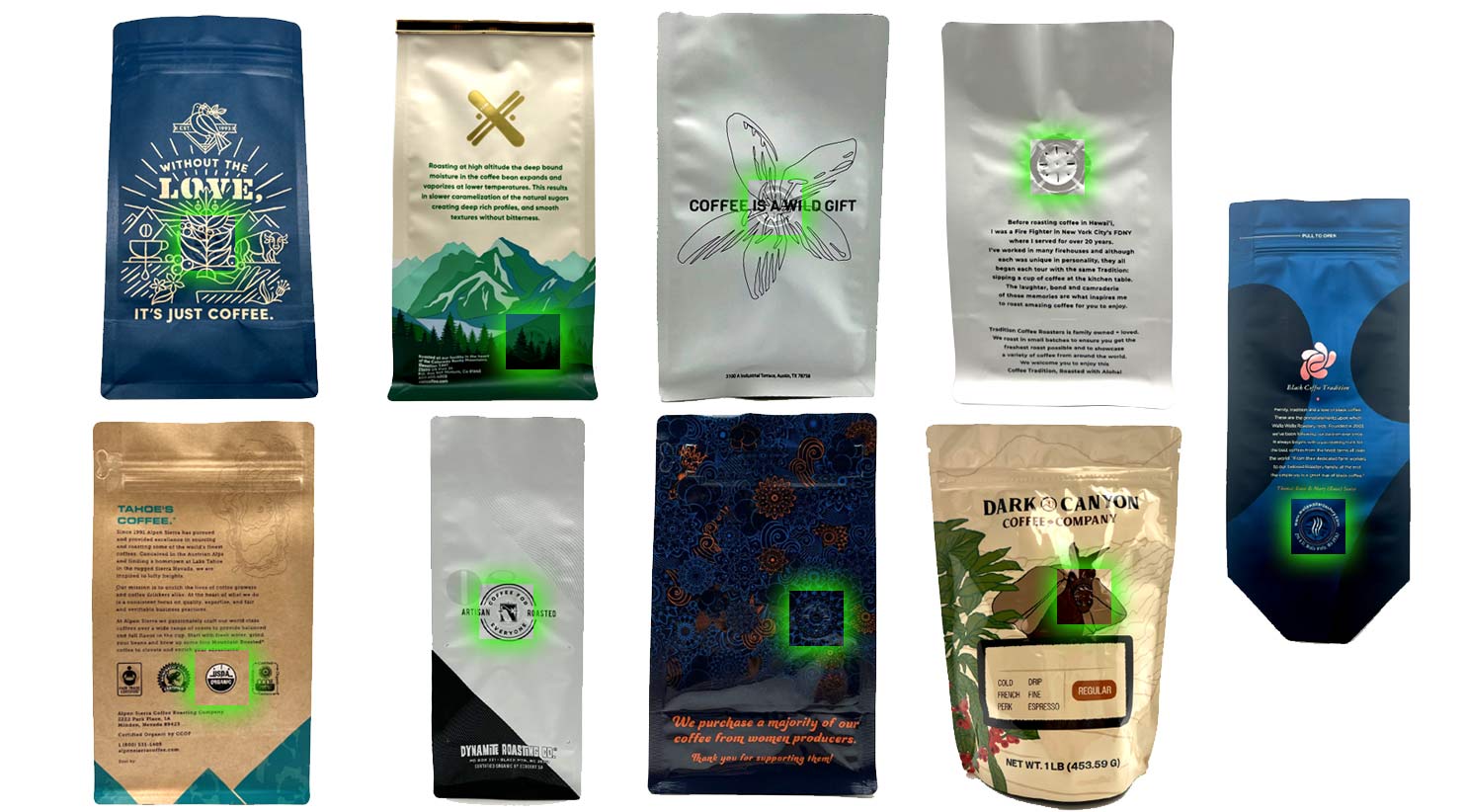
4. Print a cue on the bag. A short line near the valve turns the habit around, something like "Smell our beans at the tester. This valve keeps your bag fresh." It explains what the valve is for, tells people where to sniff instead, and makes your care about freshness part of the brand. Keep it short and friendly, not a warning. Valve placement and the artwork around it are covered in our
valve design guide.
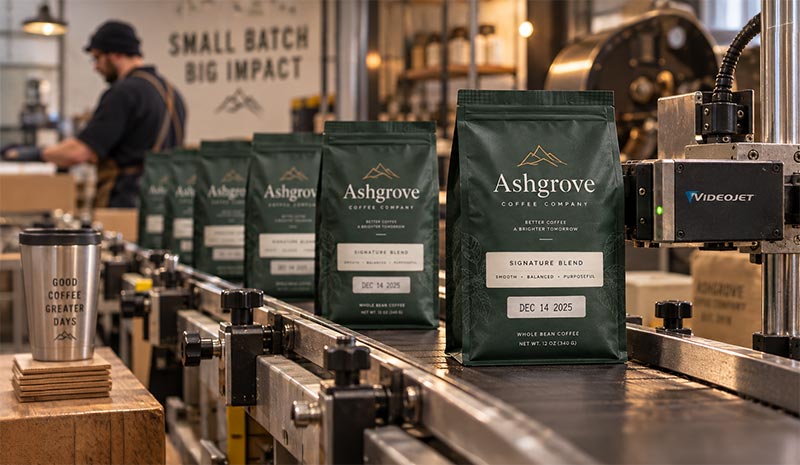
5. Put the roast date where people can see it. A lot of squeezing is really a freshness check. A clear roast date answers that question without anyone touching the bag. Our post on
printing the roast date covers what to print and where it goes.
6. Rotate the shelf. Ask stores to move handled, limp bags to the back, or to open one and use it as the tester, and to face the firm bags forward. It takes a few seconds per restock.
How Do I Test My Bags Before I Order?
Fill a sample bag of each shape you are considering with your real coffee at your real weight, seal it, and let it sit for a few days so the coffee settles into its normal headspace. Then squeeze it the way a shopper would, ten or twenty times over a day or two, and set it next to an untouched bag.
Look at both from where a shopper would stand. If the squeezed bag looks like it has been on the shelf for a month, so will your front row. If you cannot tell them apart, you have the right shape and the right size.
Should I Stop Telling Customers to Smell Through the Valve?
You do not have to stop inviting people to smell your coffee. You just want them smelling it somewhere other than the sealed bag they are about to take home. A tester gives them a better smell, the cue on the bag tells them where to find it, and your shelf stops paying for every sniff.
If you sell mostly online or from behind a counter, where customers never handle the sealed bags, this matters much less. It is a retail shelf problem.
How Savor Brands Helps
We make
custom coffee bags with one-way valves in box bottom and stand-up styles, plus
stock bags for brands that want to start with labels.
- Samples first. Fill a bag with your real coffee, squeeze it, and see how each shape holds up before you order. Our samples post explains how to ask for them.
- Small changes stay small. With digital printing from 500 bags per design, adding a tester cue or moving the roast date is a quick artwork change.
- A second look at your shelf. Tell us where your bags will sell and how customers shop there, and we will help you pick the shape and size that holds up.
Let Them Smell the Coffee, Not the Bag
Every squeeze through the valve pushes a little gas and aroma out of the bag for good. The coffee is usually fine, but the bag goes limp, and a limp bag looks stale. Give the bag a shape that stands without the gas, size it to the fill, give shoppers a tester and a clear roast date, and ask stores to rotate. Your shelf will look as fresh as your coffee.
If you want a second opinion on your bag and your shelf,
send us your artwork and tell us where it will sell.