The Rectangle Is a Default, Not a Rule
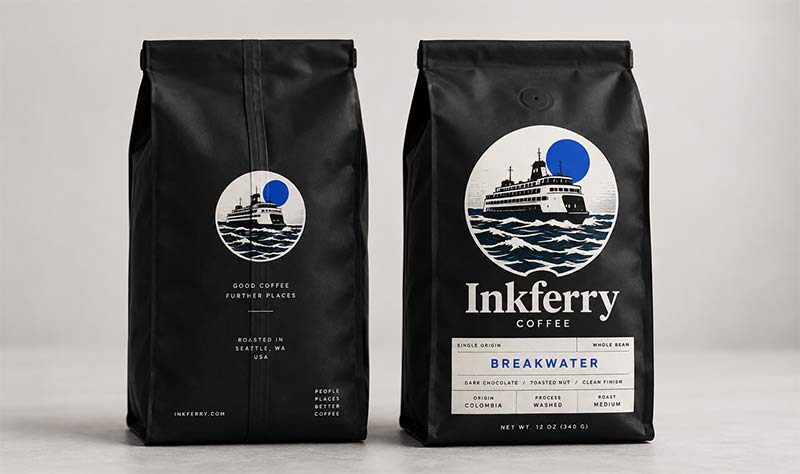
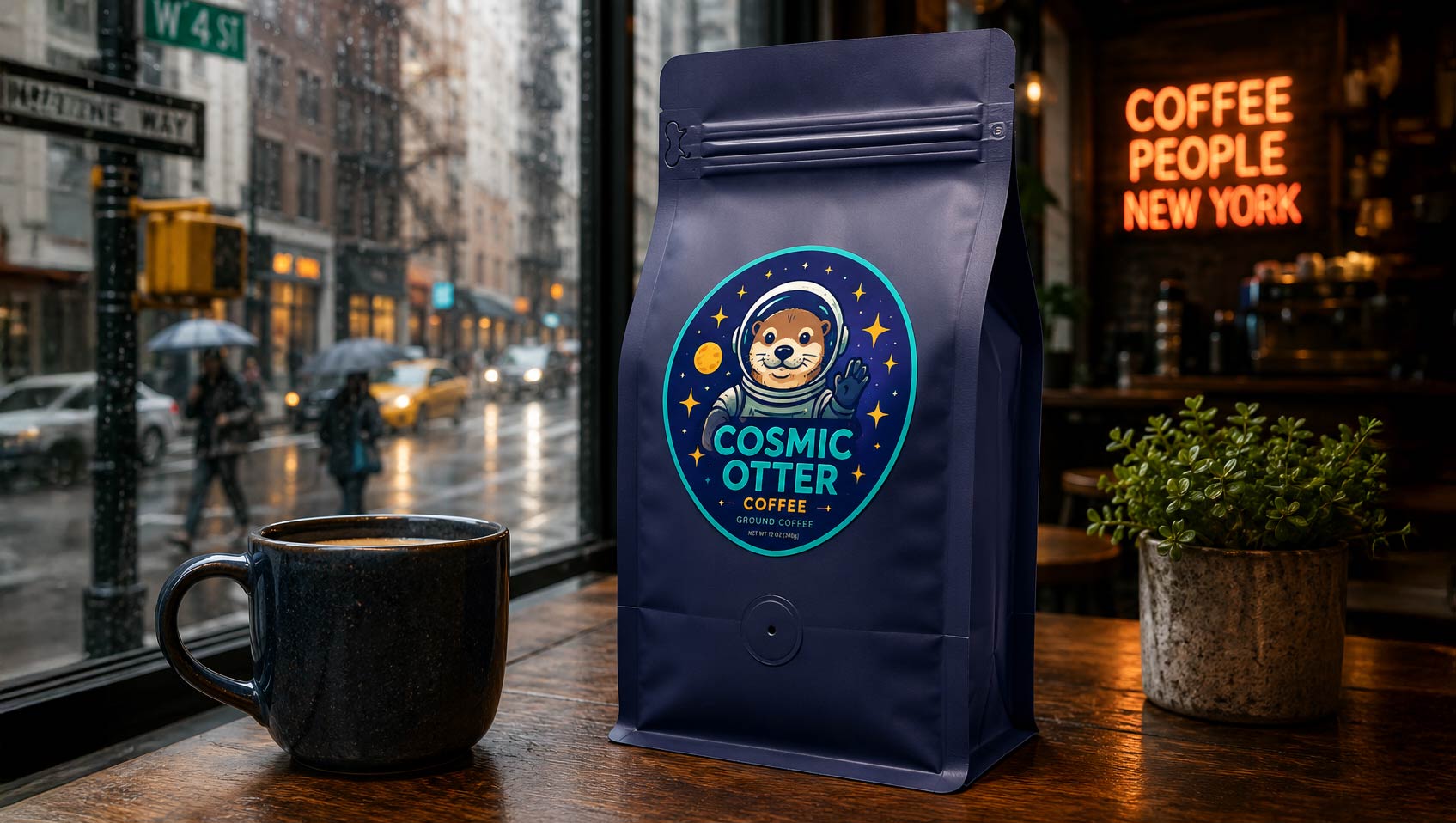
Line up ten coffee bags and almost all of them are rectangles. That is not because a coffee bag has to be a rectangle. It is because a rectangle is the standard shape, the cheapest to make, and the one every supplier reaches for first. But the outline of a bag, or a label stuck to it, can be cut into almost any shape you can draw: your logo, a mountain, a wave, even a coffee cherry. The tool that does it is called a die, and the process is die cutting.
This guide covers how die cutting works on
custom coffee bags, the one hard rule that keeps it from ruining your bag, when it makes more sense to cut a label instead of the bag itself, and what it costs you in money and time.
What Die Cutting Actually Is
A die is a custom cutting tool shaped like the outline you want, a bit like a cookie cutter built for your art. Once it is made, the press stamps that shape out of the material, so every bag or label comes out with the same clean custom edge.
Because the die is built for your specific shape, there is a one time die charge to make it, and that charge depends on the shape and the size. A simple curved top costs less to tool than an intricate silhouette. The die is yours to reuse, so it is a one time setup, not something you pay again on every reorder.
The One Rule: You Cannot Cut Into the Seal or Barrier
Here is the part no product page tells you, and it is the thing that decides what shapes are actually possible. You cannot cut into the sealed edges or the barrier area of the bag.
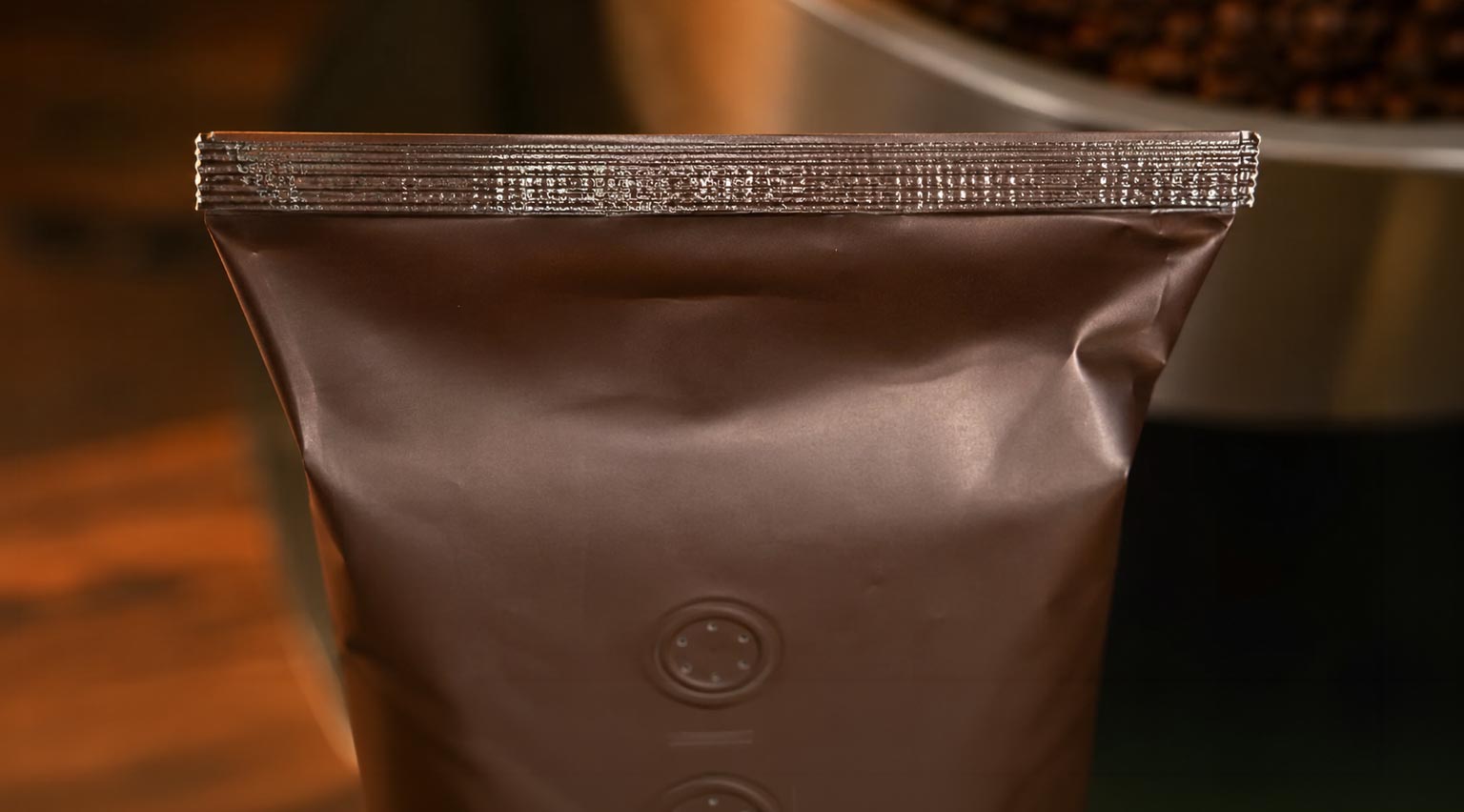
The sealed edges are what hold the bag together and keep it airtight, and the barrier is the layer that keeps oxygen, light, and moisture away from your coffee. Cut into either one and you do not have a fancy bag, you have a bag that leaks freshness or falls apart. So the custom shape has to live inside the safe zone of the panel, with the seals and the barrier left whole around it. A good die line is drawn to the printable face, never to the edges that keep the coffee fresh.
Cut the Bag, or Cut a Label?
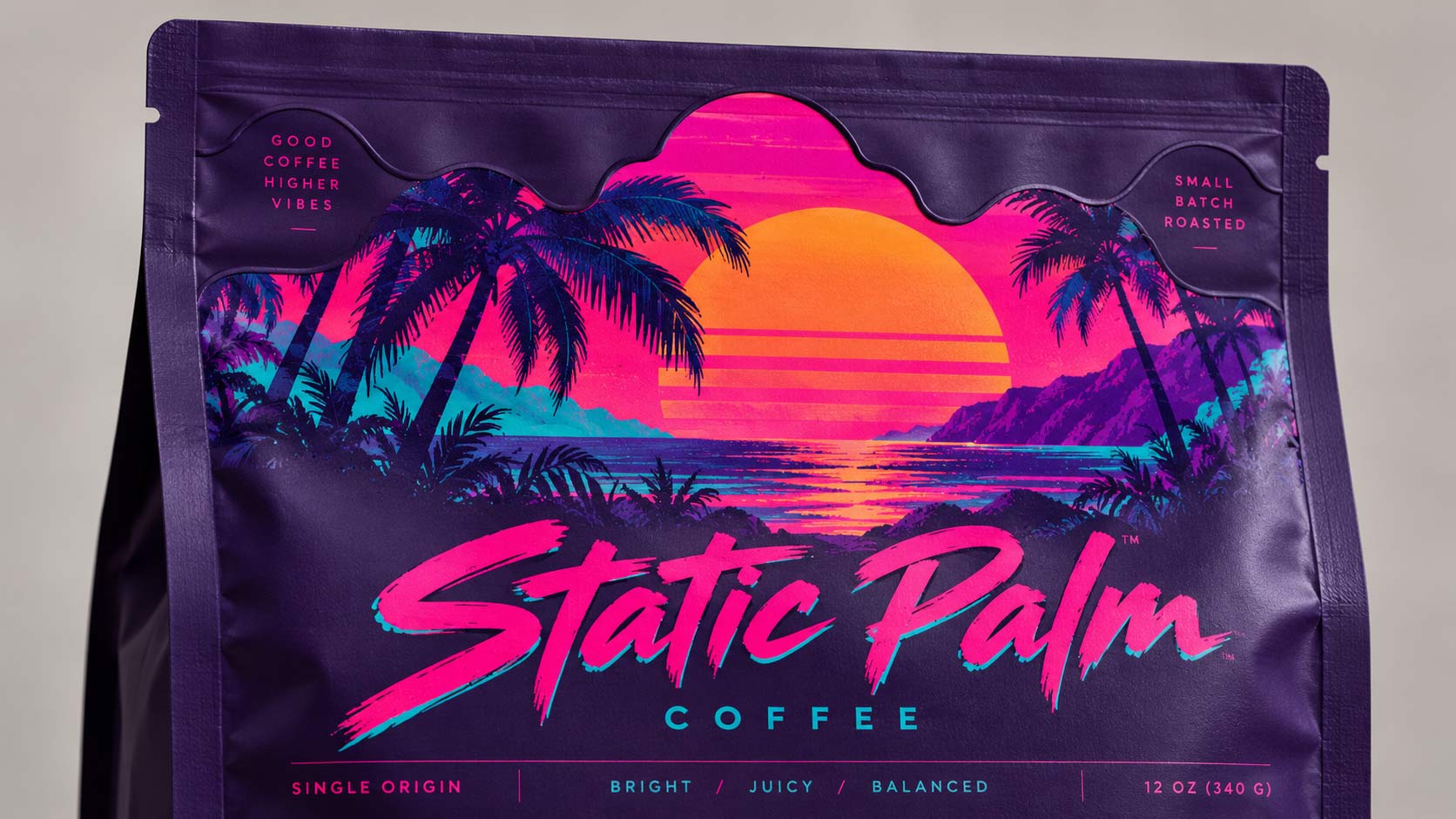
There are two ways to get a custom shape, and they are not the same decision. You can die cut the bag itself, so the whole package takes on your outline, or you can put a die cut label on a plain bag, so the label carries the shape and the bag stays standard.
Cutting the bag makes the biggest statement, since the entire silhouette is yours on the shelf. A die cut label is the lighter, lower cost move: you keep a standard or
stock coffee bag and let a custom shaped sticker do the work, which is perfect when you want a distinctive look without committing the whole package to one shape. We can die cut either one, the bag or the label, so the choice comes down to budget and how bold you want to go.
It Works on Digital and Rotogravure
Die cutting is a finishing step, so it does not lock you into one printing method. Whether your bags are printed with our
digital printing for a smaller run or with
rotogravure for high volume, the custom shape can be cut either way. It does add cost on either process, because the die still has to be made and the cut still has to be run, but it is not a digital only or a roto only trick.
The Cost and Time Trade
Two things change when you add a die cut, and both are easy to plan around once you know them.
- There is the one time die charge, which varies with the shape and size, and then the die is reusable on future runs.
- Die cutting adds about two to three days to production, since it is an extra pass after printing.
Neither is a dealbreaker, but they are the reason a die cut is a decision you make on purpose, not a last minute add. Build the two to three days into your timeline and factor the die charge into your first order, and there are no surprises.
When a Die Cut Shape Is Worth It
A custom shape earns its cost when the shape does real work for the brand.
- When your logo or icon has a strong silhouette that is instantly recognizable on a shelf.
- When you want a seasonal or limited release to stand apart from your core line.
- When the category is crowded and a bag that is not a rectangle is the fastest way to catch an eye.
If you are not sure whether to cut the bag or a label, or what a die will run for your shape,
send us your artwork and we will tell you what is possible inside the safe zone and what it costs.
Break the Rectangle, Keep the Seal
A die cut is one of the few upgrades that changes the whole silhouette of your package, not just the print on it. The rule that makes it work is simple: shape the panel, never the seal. Stay inside that line and you can put your brand's outline right in a customer's hand, on a bag that still protects the coffee the way it should.