Coffee Used to Be Sold by the Pound
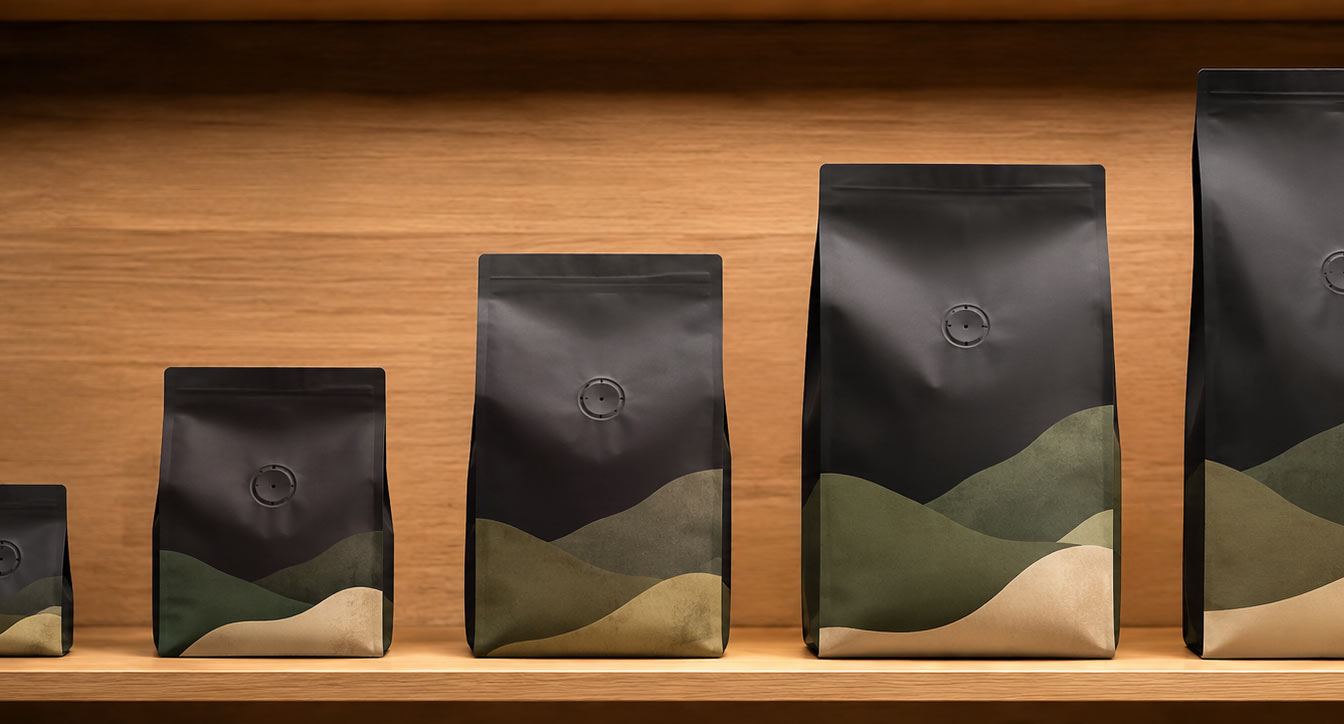
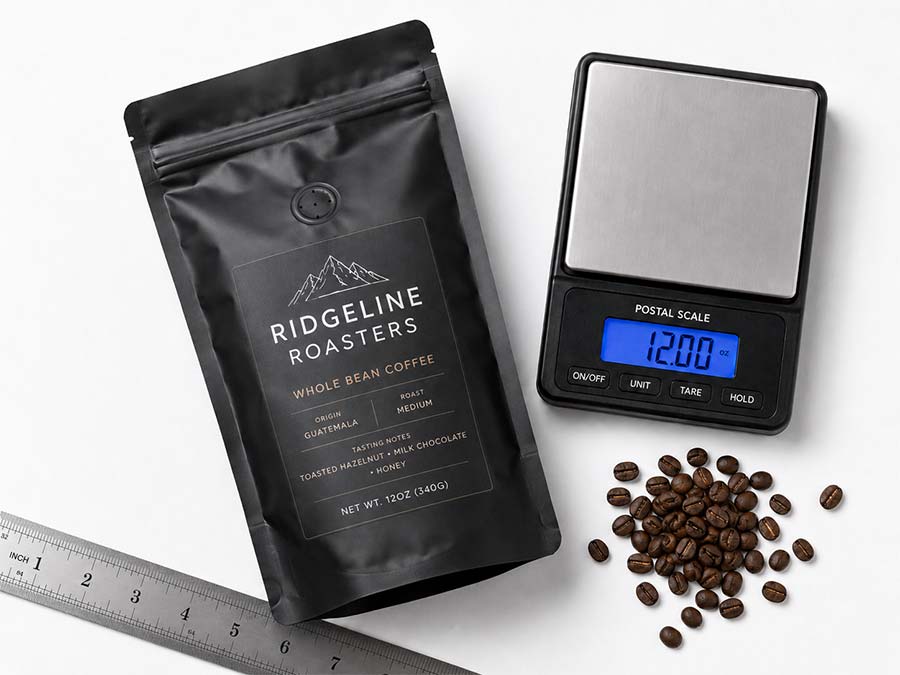
Not that long ago, a bag of coffee was a pound. Then 12 oz quietly became the standard, and most roasters stopped thinking about it. That standard is moving again. Roasters are shipping 10 oz, 8 oz, and in some cases 6 oz, and the shift is happening fast enough that packaging suppliers are being asked for those sizes as a matter of course. This is worth understanding before you reorder, because a smaller bag is not just your current artwork scaled down.
This Is a Price Decision, Not a Design Decision
The reason is green coffee. When the cost of the beans climbs, a roaster has two options: raise the shelf price or put less coffee in the bag. Raising the price is the honest move, but there is a ceiling on what a shopper will pay for a bag of coffee before they put it back. Below that ceiling, a smaller pack lets you hold a price that still reads as reasonable while covering what the coffee actually costs you. That is the whole mechanism. It is not a trend in the design sense, it is arithmetic showing up on the shelf.
The Shelf Price Is the First Thing Read
A shopper standing in front of a wall of coffee is not calculating cost per ounce. They are reading the number on the tag, and they are comparing it to the number on the bag beside it. A 12 oz bag that has to sell at a higher price than everything around it loses that comparison before anyone reads your origin story. An 8 oz bag at a price that sits in the middle of the shelf gets picked up. Whether that is the right call for your brand depends on who you sell to, but the mechanism is real and it is why the sizes are moving.
A Smaller Bag Is a New Dieline
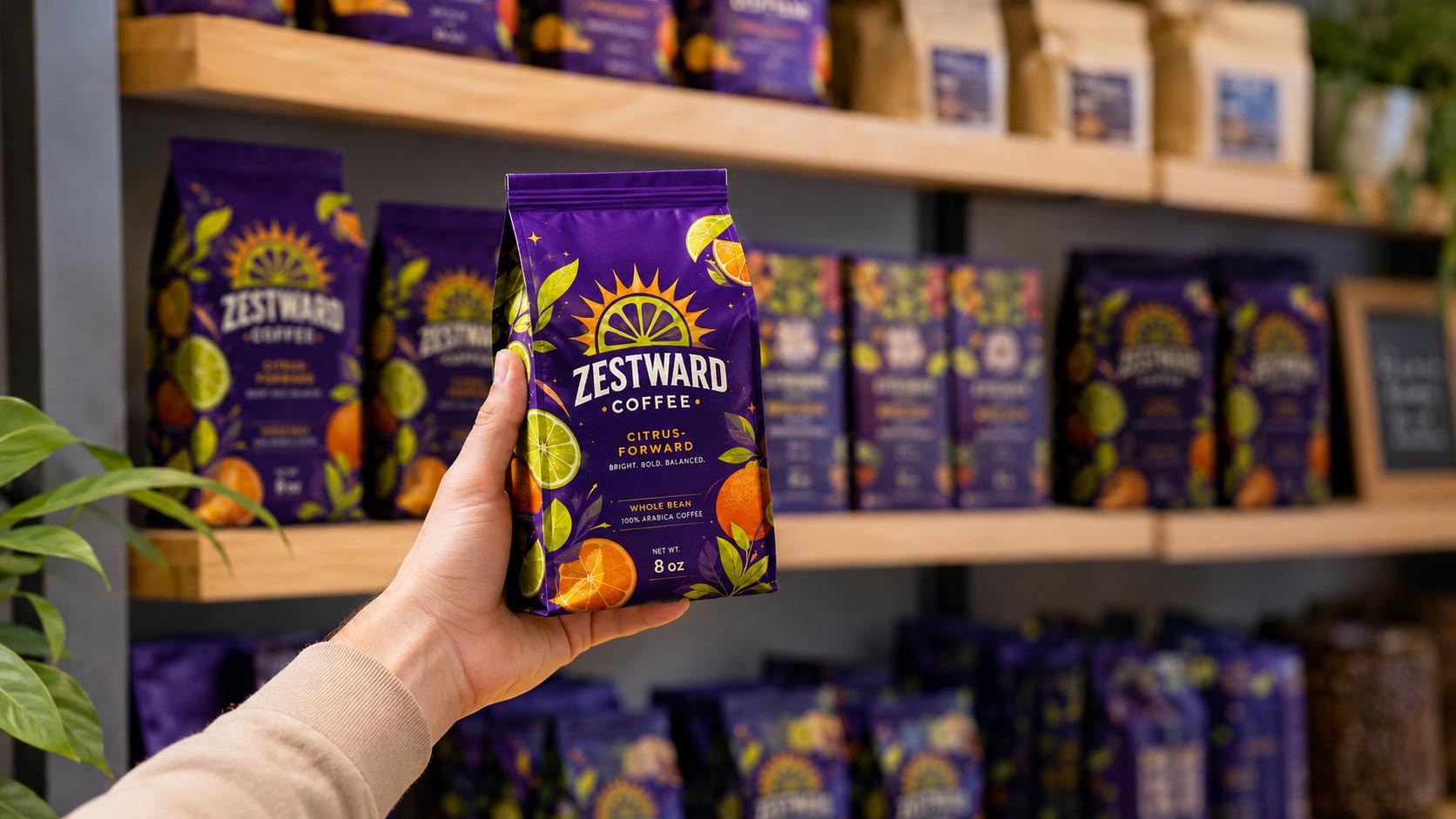
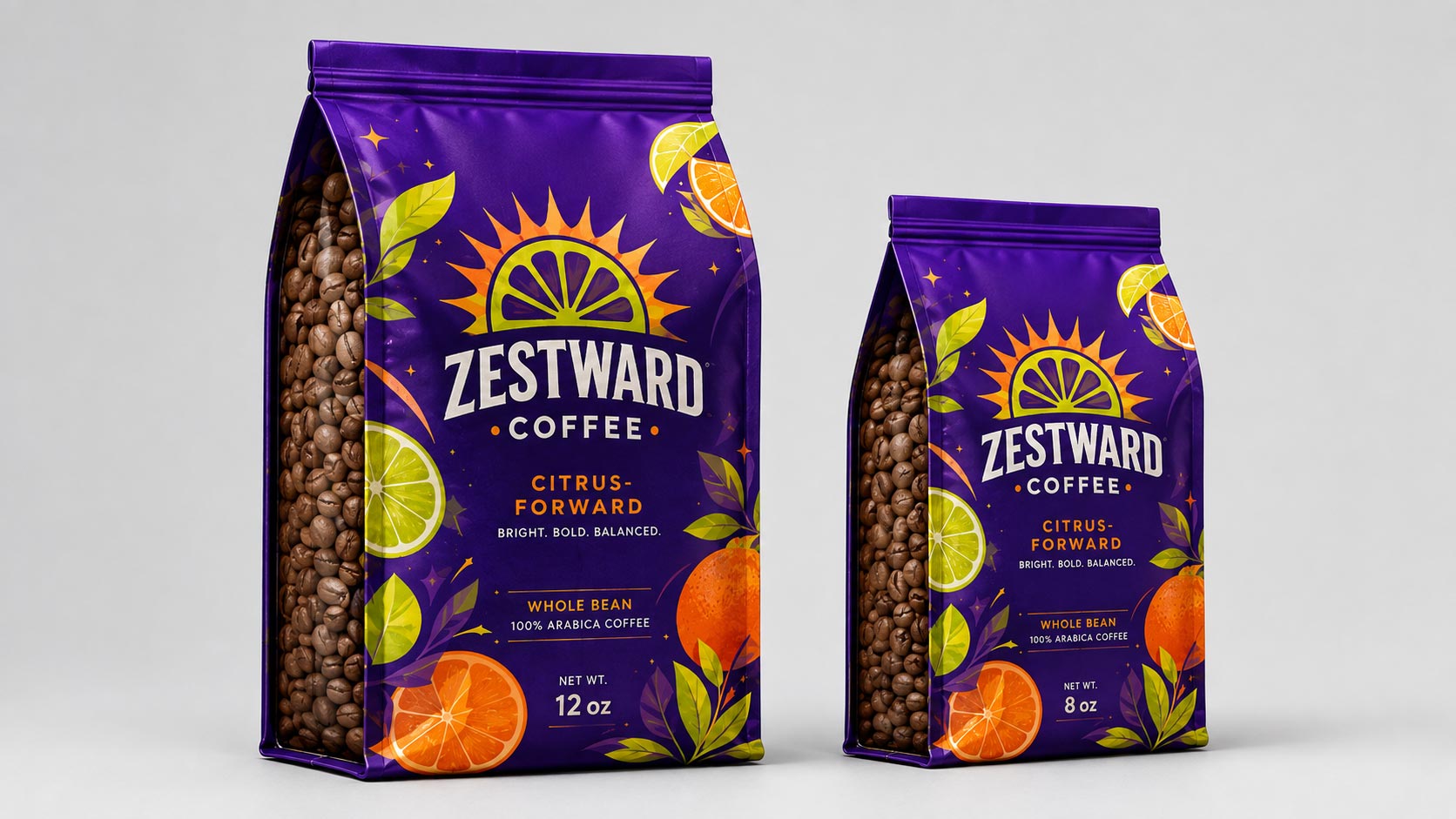
Here is the part that catches roasters out. You cannot take your 12 oz artwork, shrink it, and print an 8 oz bag. Every size is its own
dieline, which means the flat shape the bag is cut and folded from is different. Your logo, your seal area, your bleed and your text all sit in different places relative to the edges. Type that was comfortable at 12 oz can end up crowding a gusset at 8 oz. Plan on reworking the layout for the smaller size rather than rescaling it, and get the dieline before the design work starts, not after.
Fill and Headspace Change Too
A smaller bag has to look full. Coffee needs some headspace, and the whole point of a degassing valve is to let fresh roast off-gas without letting air back in, so you are never filling a bag to the brim. But the proportions are less forgiving at a smaller size. A 12 oz bag with a little slack at the top reads as normal. An 8 oz bag with the same slack reads as half empty, and a customer who thinks they have been shorted does not buy twice. Whole bean and ground also settle differently, so the same weight does not occupy the same volume. This is exactly what
fill testing is for, and it matters more, not less, as the bag gets smaller. Our guide to
headspace and freshness covers the other half of that balance.
Every Size Is Its Own Minimum
This is the cost that surprises people. With
digital printing the minimum is 500 units per design, and a different size is a different design. So running 12 oz retail alongside an 8 oz single origin is not one order of 1,000, it is two orders of 500. That is still very manageable, and it is a long way from the tens of thousands a rotogravure run demands, but it needs to be in the plan before you commit. If you are weighing how many sizes your line can carry, our post on the
coffee packaging minimum order quantity lays out the thresholds.
Where Smaller Works, and Where It Does Not
Smaller sizes earn their place on limited releases, single origins, seasonal offerings and anything you want a customer to try without committing. A high priced microlot in an 8 oz bag is an easier yes than the same coffee in a pound. They work less well where the buyer is buying on volume. A cafe wholesale account, a subscription that ships monthly, or a household that goes through coffee steadily is better served by the larger bag, and shrinking their pack just means they order more often and pay more in shipping. Most roasters land on a split rather than a wholesale change, which is really a question of how your
product line is built.
Do Not Shrink Quietly
One warning. If you go from 12 oz to 10 oz and say nothing, some of your regulars will notice, and the ones who notice will tell the rest. Net weight is on the bag by law, so the information is public whether you draw attention to it or not. Roasters who handle this well change the size and say why, usually pointing at green prices, which most coffee drinkers have read about anyway. Roasters who handle it badly keep the price, drop the weight, and hope nobody checks. The first version costs you a sentence. The second costs you trust.
Decide the Size Before You Design
The bag is shrinking because the coffee got more expensive, and that is not reversing soon. If you are reprinting this year, the useful question is not what size you have always run but what size the coffee and the shelf actually want. Settle that first, get the dieline for it, test your fill, and then design. When you are ready to work through the options, our team specs
custom coffee bags around the fill weight rather than the other way round.
Source: Bhavi Patel, Barista Magazine, August and September 2026, Volume 22 Issue 3, pages 72 to 77.